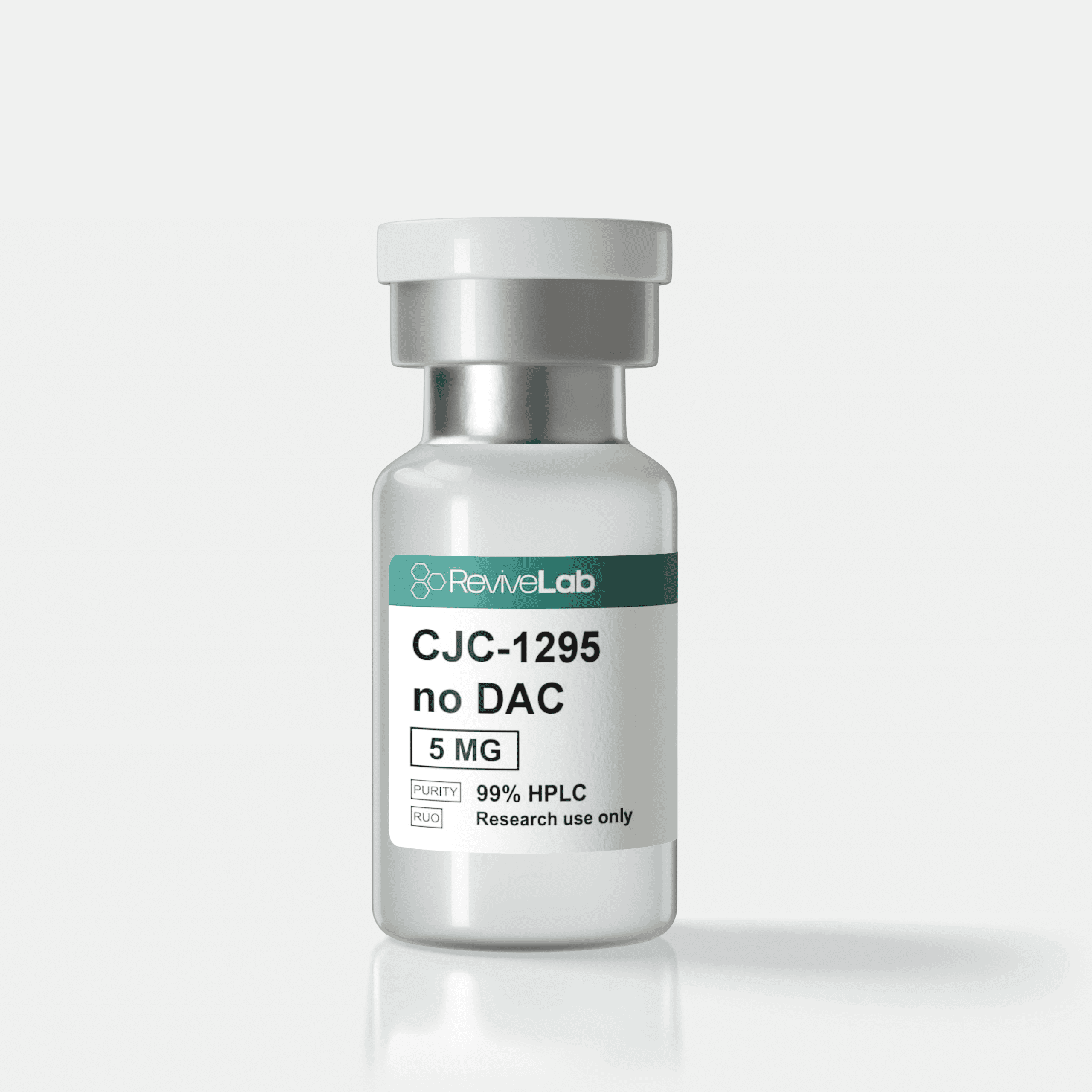
 CJC-1295 no DAC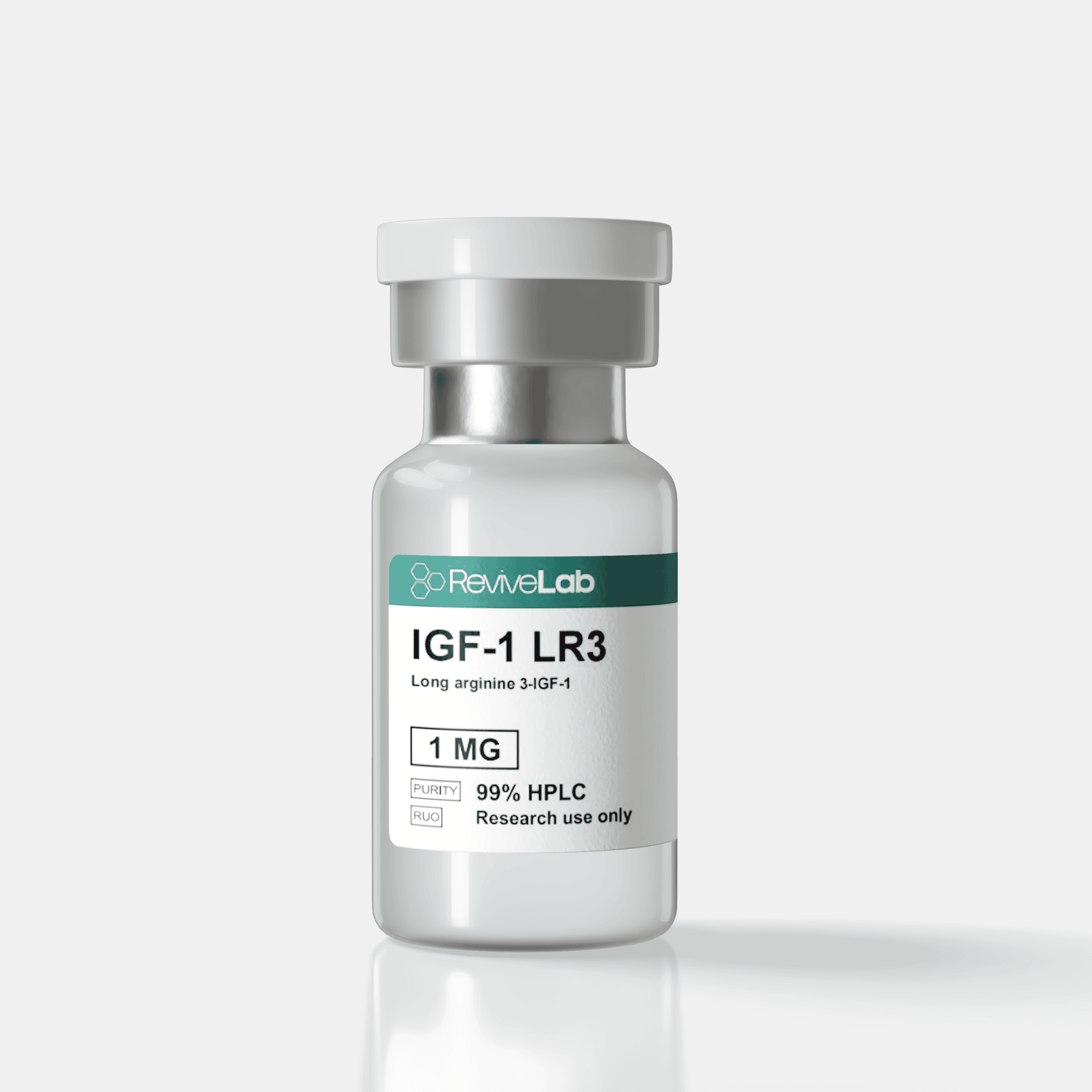
Muscle Growth & Anabolic Activity
- Stimulates muscle protein synthesis via activation of the PI3K/Akt/mTOR pathway.
- Suppresses muscle protein breakdown by inhibiting the FoxO-ubiquitin-proteasome system.
- Enhances muscle fiber hypertrophy and strength in rodent models.
- Activates satellite cells, promoting regeneration and repair of damaged muscle tissue.
Tissue Regeneration & Wound Healing
- Accelerates re-epithelialization and collagen formation in dermal wound models.
- Promotes intestinal epithelial growth, villus expansion, and mucosal cellularity.
- Supports stem cell recruitment and differentiation in muscle, gut, and cardiac tissue.
- Enhances tissue repair in estrogen-deficient or metabolically compromised research models.
Glucose Metabolism & Insulin Sensitivity
- Increases glucose uptake in adipocytes and myocytes through GLUT4 translocation.
- Exerts insulin-like effects on energy storage, nutrient delivery, and glycemic balance.
- Lowers circulating insulin and blood glucose in calorie-restricted rodent studies.
- May enhance insulin sensitivity and metabolic flexibility in co-treatment research.
Lipid Metabolism & Nutrient Partitioning
- Reduces fat mass in preclinical models through nutrient repartitioning.
- Enhances fatty acid oxidation and preserves lean mass under energy deficit.
- Decreases carcass adiposity in tumor-bearing cachexia studies.
- Shifts metabolic balance toward protein retention and lipid utilization.
Neuroprotection & Brain Energy Support
- Supports neuronal survival, neurite growth, and synaptic plasticity.
- Reduces hippocampal mitochondrial dysfunction in high-fat diet models.
- Activates CREB/PGC-1α pathways to enhance neuroenergetic output.
- Protects against ischemic brain injury and promotes post-injury recovery.
Cardiovascular Repair & Vascular Stability
- Reduces atherosclerotic plaque volume and enhances fibrous cap thickness.
- Promotes smooth muscle cell stability and plaque integrity in ApoE⁻/⁻ models.
- Stimulates endothelial NO production and improves vascular function.
- Decreases cardiomyocyte apoptosis and enhances heart remodeling after infarction.
Cell Signaling & Growth Pathways
- Activates IGF-1 receptor to initiate PI3K/Akt and MAPK/ERK signaling cascades.
- Drives DNA synthesis, mitogenesis, and cellular differentiation in vitro.
- Resists IGF-binding protein (IGFBP) inhibition, increasing bioactive availability.
- Sustains long-duration receptor activation due to extended half-life.
Aging, Recovery & Muscle Preservation
- Preserves lean body mass under caloric restriction or disease stress.
- Enhances anabolic recovery in aging and injury-induced muscle loss.
- Improves nitrogen balance in protein-deprived research models.
- Supports cell regeneration in experimental aging and senescence pathways.
Oncogenic & Safety Considerations
- Stimulates proliferation of both healthy and malignant cells in tumor-bearing models.
- Increases nutrient flow to tumors in systemic cachexia settings.
- Requires caution in oncology-related experiments due to pro-growth signaling.
- Not approved for human use; for controlled preclinical laboratory investigation only.