Back to all products

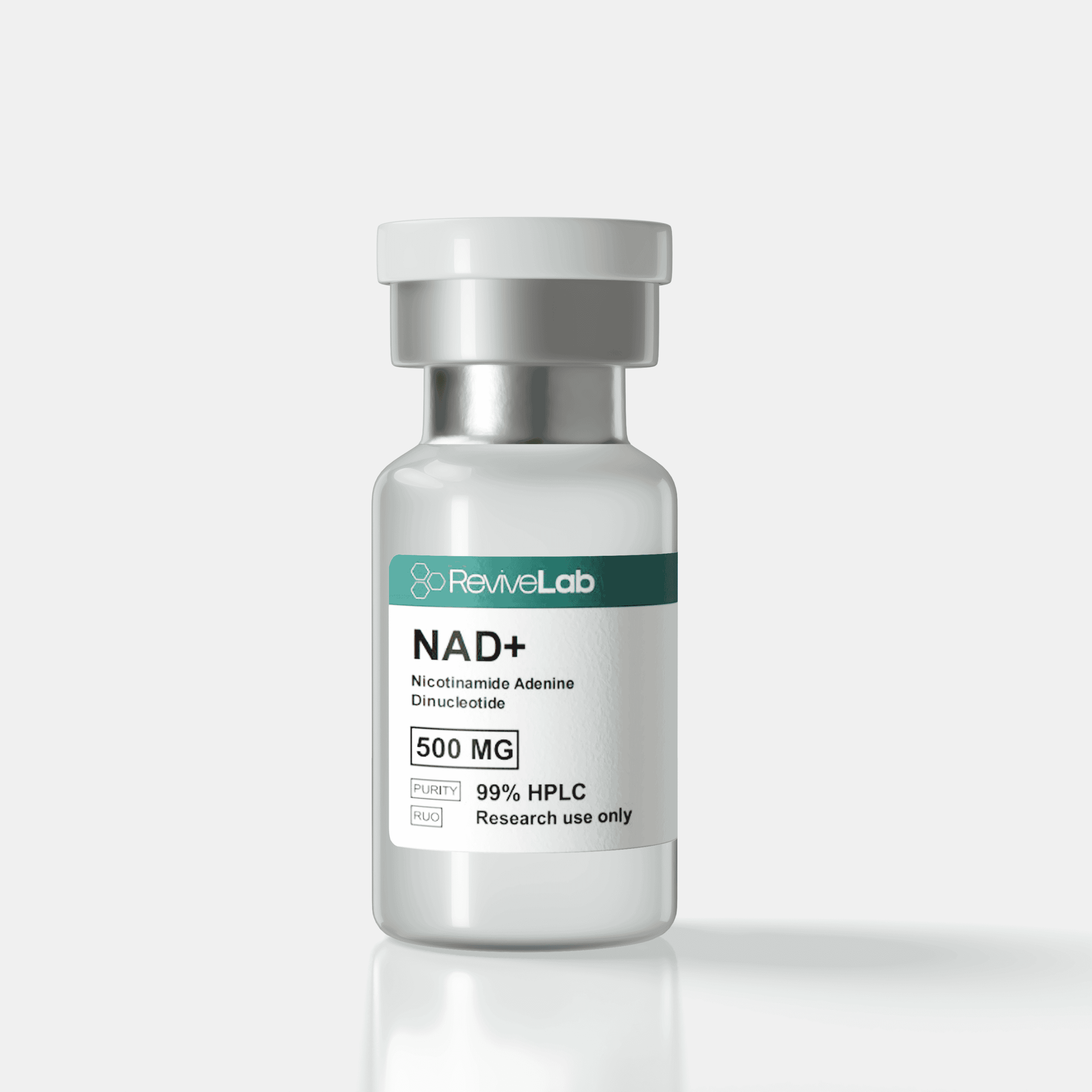
NAD+

NAD⁺ (Nicotinamide Adenine Dinucleotide) is a vital coenzyme found in all living cells, playing a central role in energy metabolism, DNA repair, and cellular signaling. It is essential for converting nutrients into ATP (cellular energy) and supports key biological processes such as mitochondrial function, gene expression regulation, and oxidative stress defense. NAD⁺ levels decline with age, and restoring NAD⁺ has become a focus of research into aging, neuroprotection, immune regulation, and metabolic health. It is widely studied for its role in promoting cellular resilience and longevity pathways.

$99.99

In stock

-
+
NAD⁺ Summary

Cellular Energy & Mitochondrial Function

  • Essential for ATP production via glycolysis and the TCA cycle.
  • Supports mitochondrial biogenesis and enhances cellular respiration.
  • Promotes metabolic efficiency, energy output, and resistance to fatigue in high-demand tissues.
  • Restores energy metabolism in aged or dysfunctional cells.

DNA Repair & Genomic Stability

  • Required substrate for PARP enzymes involved in repairing DNA strand breaks.
  • Helps maintain genomic integrity in response to oxidative stress and damage.
  • Enhances cellular survival and replication through SIRT1- and PARP-dependent repair pathways.

Neuroprotection & Cognitive Function

  • Preserves brain energy metabolism and supports neuronal survival.
  • Improves memory, learning, and plasticity in animal models.
  • Reduces cognitive decline associated with aging and neurodegenerative conditions (e.g. Alzheimer’s).
  • Enhances axonal growth and synaptic signaling through SIRT1/PGC-1α pathways.

Cardiovascular & Vascular Health

  • Regulates endothelial function and nitric oxide (NO) bioavailability.
  • Improves blood vessel tone, elasticity, and vascular repair.
  • Reduces markers of cardiovascular inflammation and mitochondrial dysfunction in heart cells.
  • Protects against ischemia-reperfusion injury in preclinical heart models.

Inflammation & Immune Modulation

  • Modulates immune responses and cytokine signaling.
  • NAD⁺-dependent sirtuins reduce pro-inflammatory gene expression.
  • Counteracts chronic low-grade inflammation by inhibiting CD38 and inflammatory signaling.
  • Supports immune cell metabolism and stress resilience in activated macrophages and T cells.

Aging & Longevity Research

  • NAD⁺ levels decline with age; restoring NAD⁺ in animals reverses hallmarks of aging.
  • Boosts sirtuin activity, which regulates DNA stability, stress response, and mitochondrial health.
  • Extends lifespan and healthspan in multiple species when NAD⁺ is enhanced via precursors (e.g. NMN, NR).
  • Improves metabolic, physical, and cognitive function in aged models.

Metabolic Health & Insulin Sensitivity

  • Improves glucose metabolism, insulin sensitivity, and lipid profiles in preclinical models.
  • Reduces oxidative stress and inflammation associated with obesity and diabetes.
  • Enhances fatty acid oxidation and adaptive thermogenesis.
  • Synergizes with exercise and caloric restriction to improve metabolic flexibility.

Epigenetic & Circadian Regulation

  • Functions as a cofactor for sirtuins and clock genes, regulating circadian rhythms.
  • Affects gene expression, chromatin remodeling, and histone deacetylation.
  • Links cellular metabolism to transcriptional activity, enabling stress adaptation and cell longevity.
NAD⁺ Synergies & Additive Research Compounds

To maximize the utility of NAD⁺ in experimental models, researchers often combine it with synergistic compounds that enhance its bioavailability, boost its synthesis, or work through complementary pathways. These combinations are commonly used in anti-aging, metabolic, neuroprotective, and cellular resilience research. Below is a summary of notable NAD⁺ synergies validated in preclinical studies:

NAD⁺ Synergistic Compounds

Compound Mechanism of Synergy Relevant Research / Notes
5-Amino-1MQ NNMT inhibitor that prevents NAD⁺ depletion and boosts intracellular NAD⁺ pools; activates SIRT1 and AMPK. Directly enhances NAD⁺’s metabolic and mitochondrial effects; combined use amplifies fat oxidation and energy efficiency.
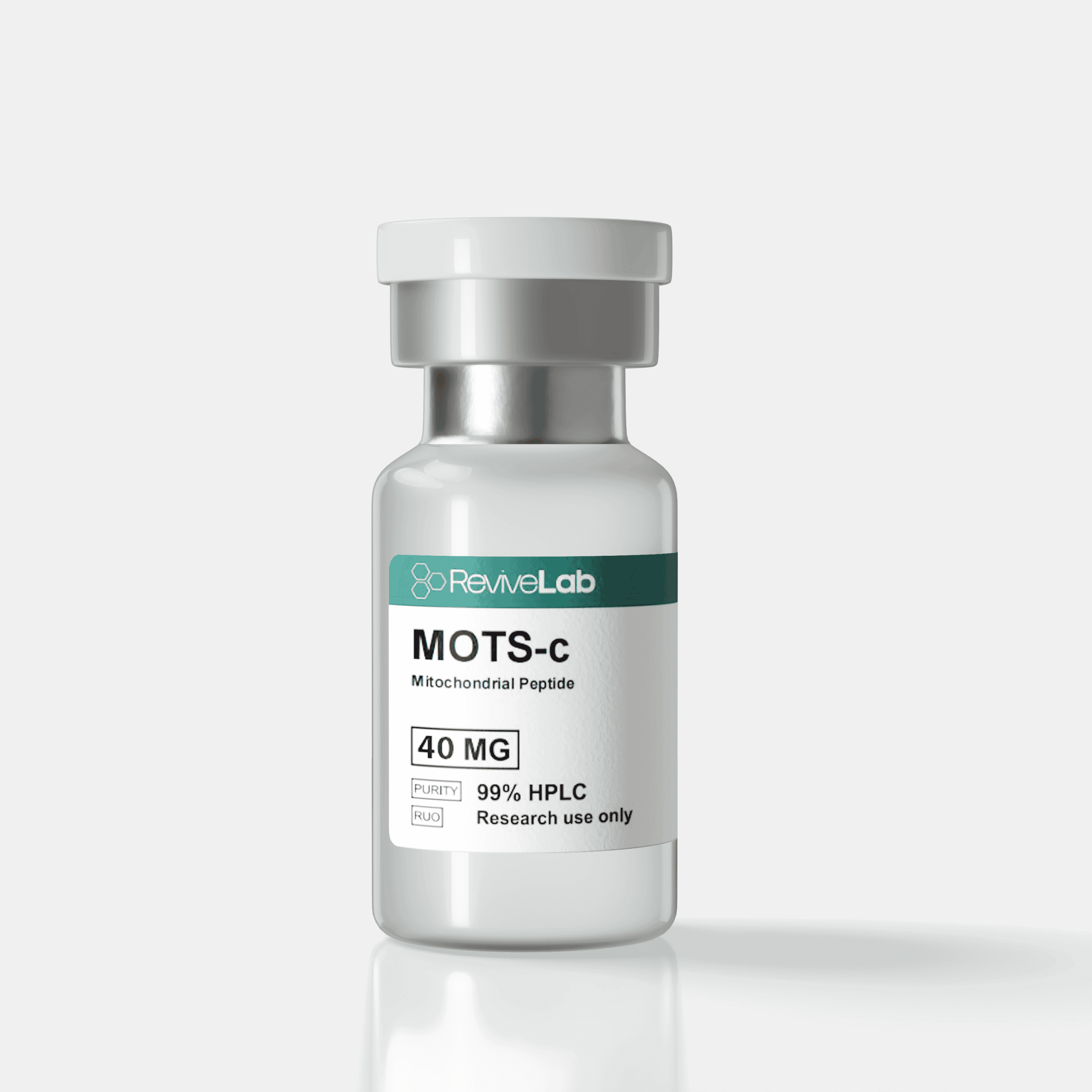
MOTS-c Mitochondrial peptide that activates AMPK and PGC-1α; improves NAD⁺ utilization and mitochondrial biogenesis. Works additively with NAD⁺ to support ATP production, endurance, and metabolic homeostasis in preclinical aging models.
BPC-157 Angiogenic and cytoprotective peptide that stabilizes endothelial and mitochondrial function. Combined with NAD⁺ to enhance tissue recovery, reduce oxidative injury, and accelerate regeneration under metabolic stress.
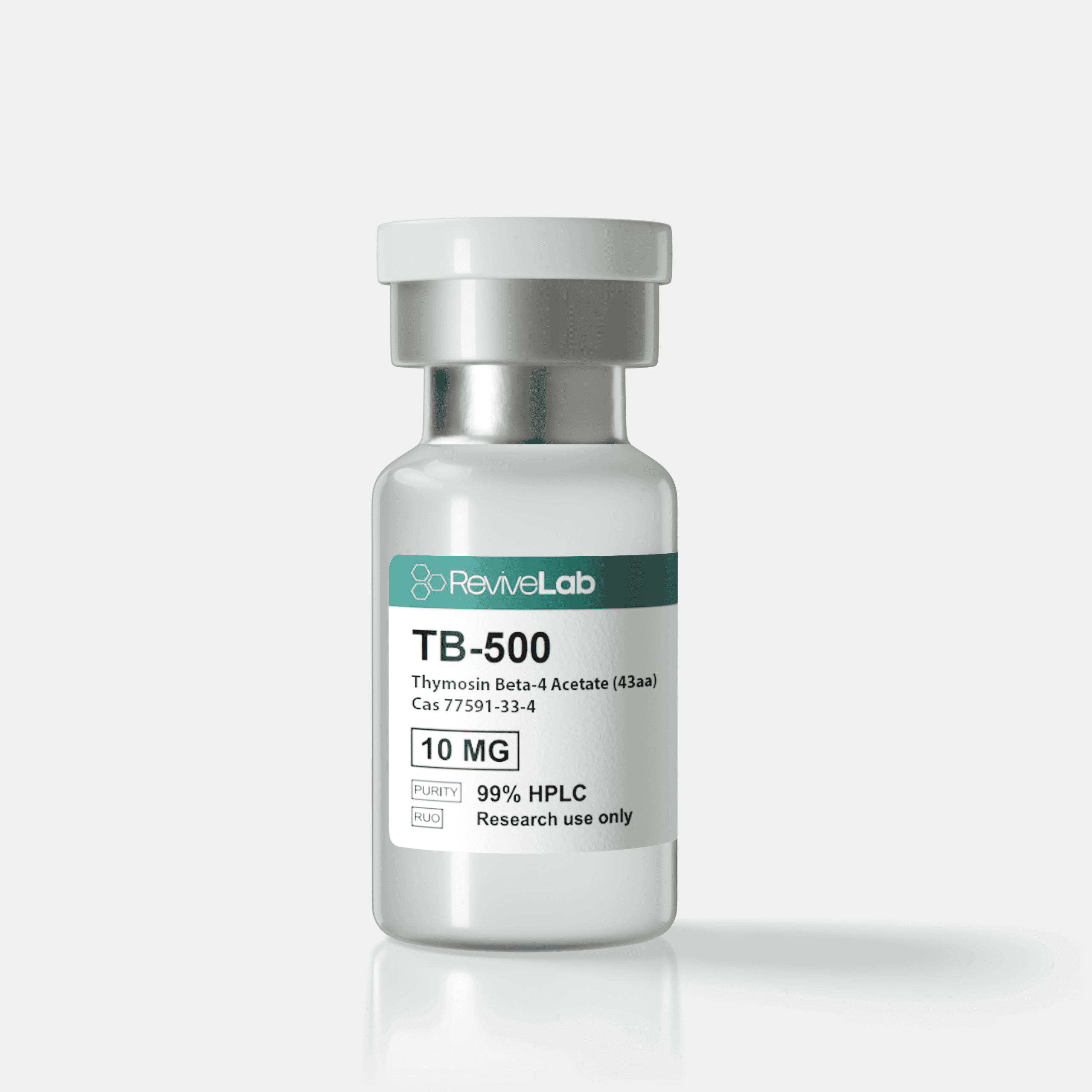
TB-500 (Thymosin Beta-4) Promotes cellular migration and cytoskeletal repair; supports oxygenation in regenerating tissues. When used with NAD⁺, reinforces mitochondrial repair and tissue perfusion in recovery models.
GHK-Cu Copper-binding peptide that upregulates antioxidant enzymes (SOD, catalase) and mitochondrial gene expression. Synergizes with NAD⁺ in oxidative stress studies by enhancing redox balance and energy enzyme activity.
Glutathione (GSH) Endogenous antioxidant that maintains NAD⁺/NADH redox cycling and neutralizes reactive oxygen species. Supports NAD⁺’s cytoprotective effects and preserves mitochondrial stability in energy-demanding environments.
CJC-1295 (No DAC) GHRH analog that elevates GH/IGF-1 axis activity, increasing hepatic NAD⁺ biosynthesis. Enhances NAD⁺’s mitochondrial and anabolic pathways by stimulating growth hormone-linked metabolism.
Ipamorelin Selective GH secretagogue that increases GH pulses and promotes recovery; complements NAD⁺’s energy metabolism. Co-administration in GH-axis research supports cellular regeneration and fatigue reduction.
Thymosin Alpha-1 Immune-modulating peptide reducing inflammatory ROS production and supporting mitochondrial homeostasis. Works synergistically with NAD⁺ to sustain immune balance and redox resilience in systemic stress models.
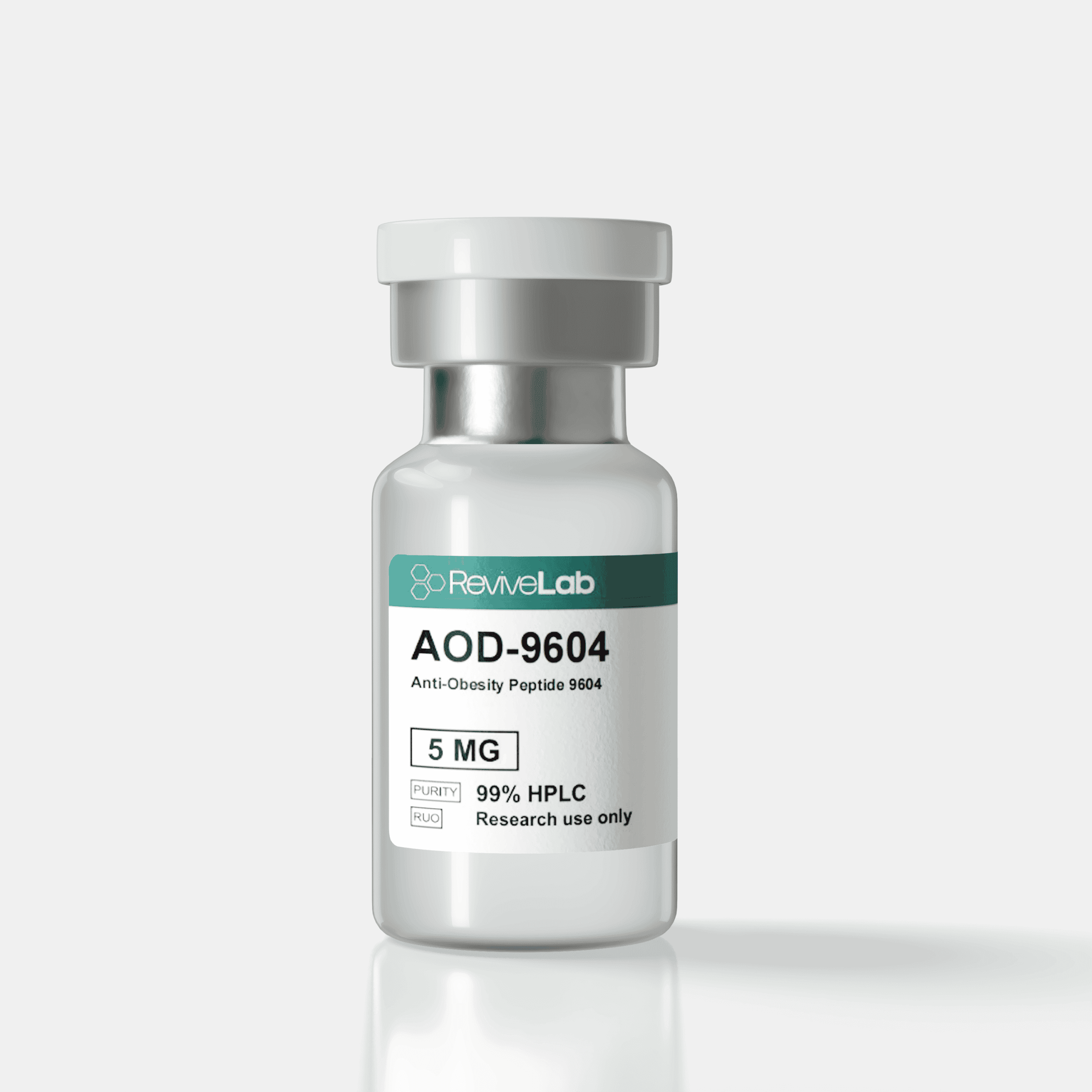
AOD-9604 GH-fragment peptide that enhances lipolysis and cellular energy turnover. Used with NAD⁺ to study lipid metabolism and mitochondrial oxidation pathways in metabolic research.


Potential Research Use Cases for NAD⁺ Combinations

  • Mitochondrial Energy & Fat-Oxidation Models:
    NAD⁺ + 5-Amino-1MQ / MOTS-c / AOD-9604
    → Enhances AMPK–SIRT1 signaling, fatty acid oxidation, and energy efficiency.
  • Cellular Regeneration & Oxidative Stress Studies:
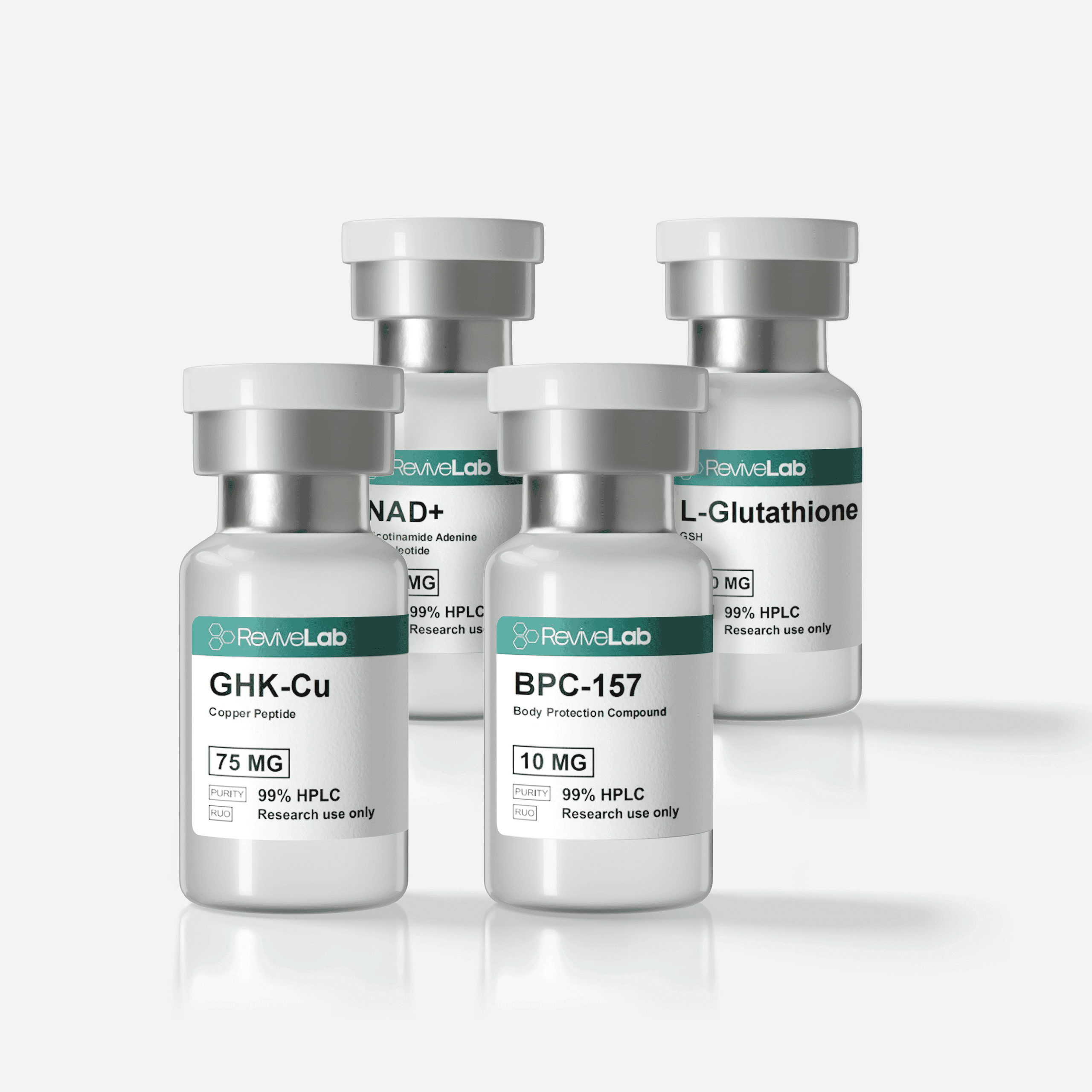
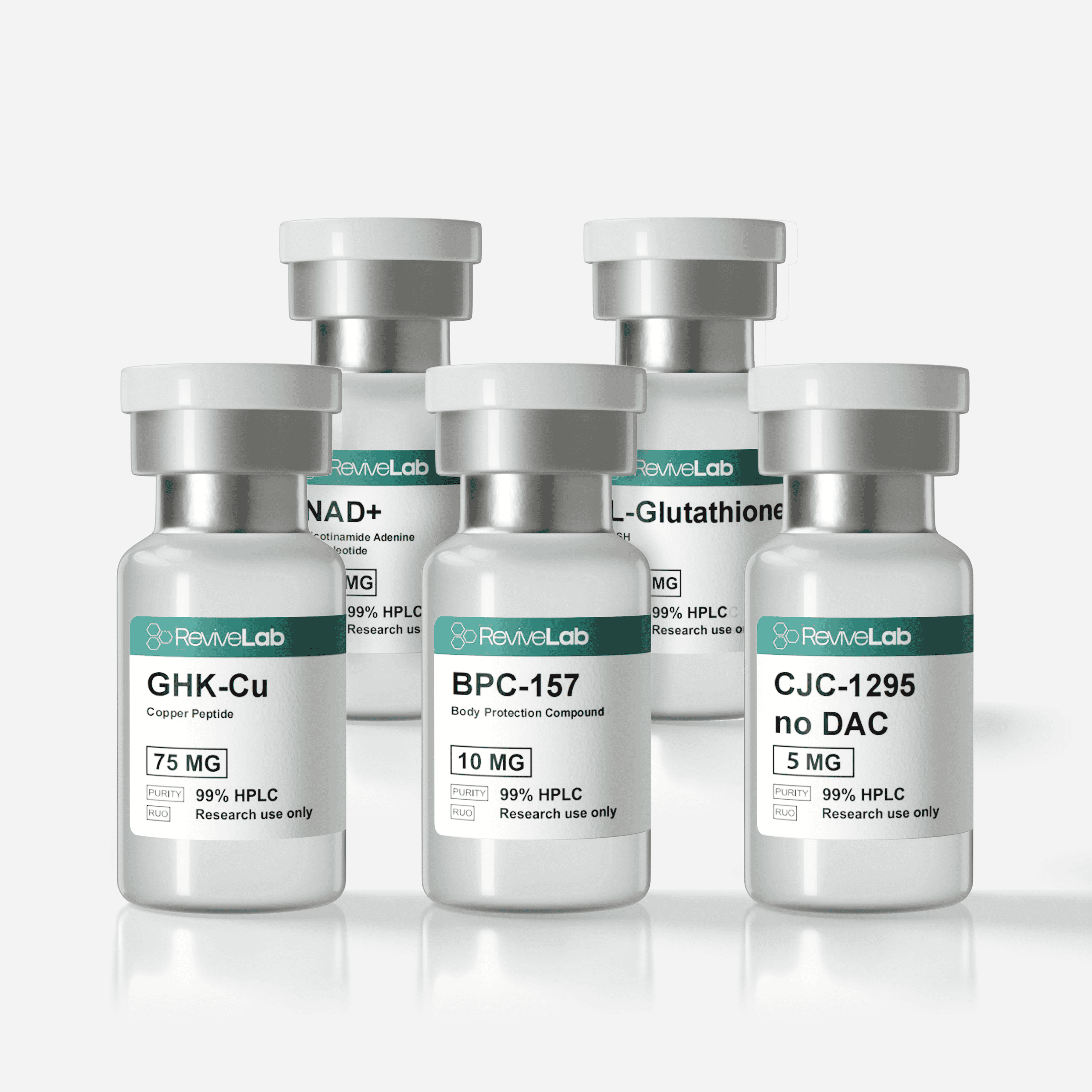
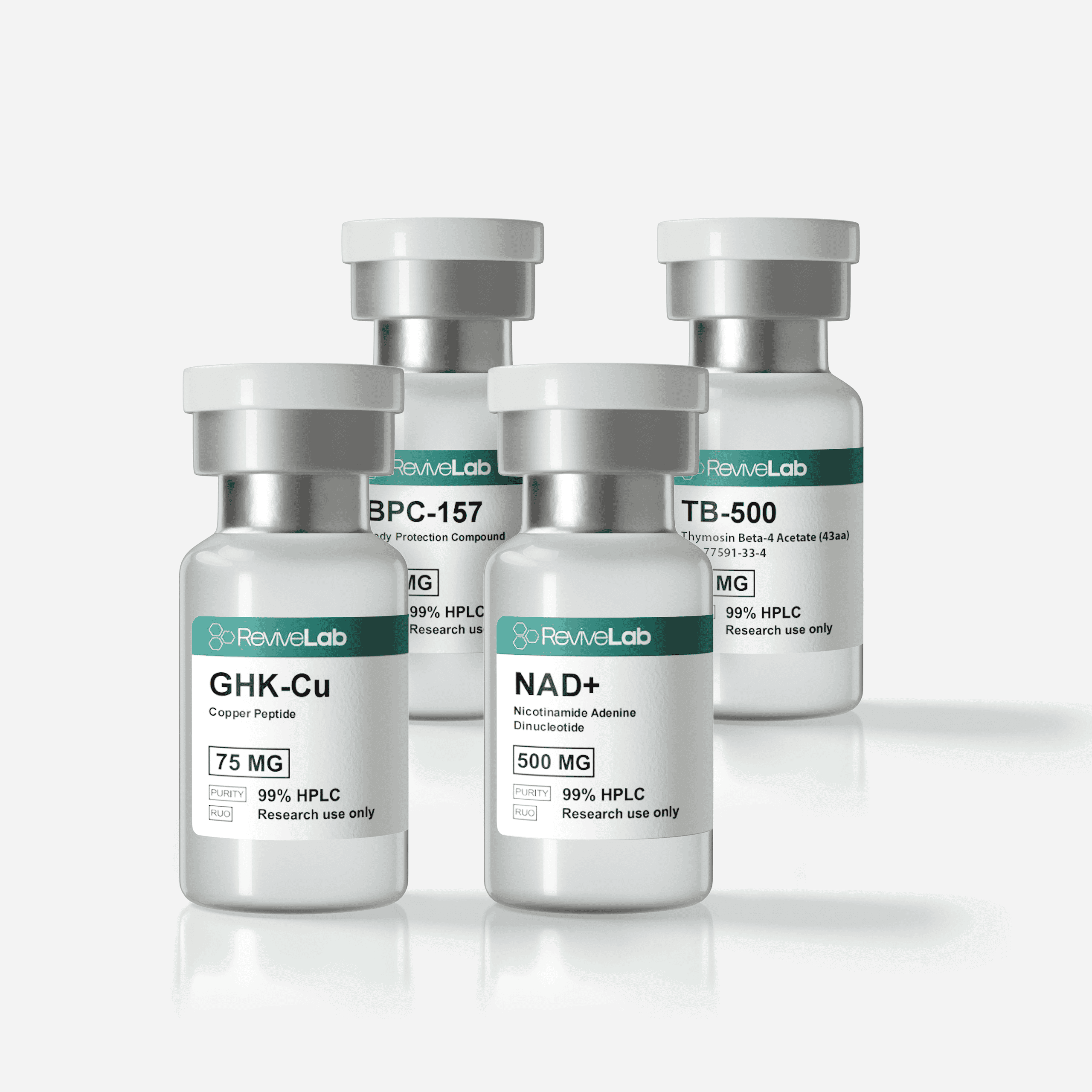
    NAD⁺ + BPC-157 / TB-500 / GHK-Cu
    → Strengthens mitochondrial repair and redox stability in oxidative or ischemic models.
  • Metabolic & Endocrine Optimization:
    NAD⁺ + CJC-1295 (No DAC) / Ipamorelin
    → Supports GH-linked anabolic energy metabolism and NAD⁺ biosynthesis.
  • Immune & Anti-Inflammatory Research:
    NAD⁺ + Thymosin Alpha-1 / Glutathione
    → Stabilizes immune homeostasis and reduces redox imbalance under cellular stress.
  • Longevity & Systemic Recovery Models:
    NAD⁺ + MOTS-c / GHK-Cu / BPC-157
    → Promotes mitochondrial biogenesis, antioxidant defense, and tissue regeneration in aging-related research.
NAD+ Research

Below is a breakdown of major research-backed effects by physiological system, showcasing the molecule’s broad experimental utility:
Nicotinamide Adenine Dinucleotide (NAD⁺) is a crucial coenzyme found in all living cells, revered for its central role in cellular energy and longevity research. This molecule is a cornerstone in metabolism and is heavily studied for its potential in combating aging and supporting vital biological functions. NAD⁺ serves as a molecular “powerhouse” by participating in hundreds of enzymatic reactions that keep cells alive and healthy (Ref 9).

Cellular Energy & Metabolism

NAD⁺ is indispensable for energy production in cells. It serves as a central electron carrier in metabolism, accepting electrons during the breakdown of nutrients and then delivering them to the mitochondria to drive ATP synthesis. In fact, NAD⁺ is the major hydride acceptor in glycolysis and the TCA cycle, meaning that without NAD⁺, cells cannot efficiently convert carbohydrates, fats, and amino acids into usable energy. This coenzyme’s pivotal role in metabolism underpins its importance for all living cells, as energy (ATP) is the currency of life. High NAD⁺ availability has been linked to improved metabolic efficiency and resilience to metabolic stress in research settings (Ref 1).

DNA Repair & Genomic Stability

NAD⁺ is indispensable for energy production in cells. It serves as a central electron carrier in metabolism, accepting electrons during the breakdown of nutrients and then delivering them to the mitochondria to drive ATP synthesis. In fact, NAD⁺ is the major hydride acceptor in glycolysis and the TCA cycle, meaning that without NAD⁺, cells cannot efficiently convert carbohydrates, fats, and amino acids into usable energy. This coenzyme’s pivotal role in metabolism underpins its importance for all living cells, as energy (ATP) is the currency of life. High NAD⁺ availability has been linked to improved metabolic efficiency and resilience to metabolic stress in research settings (Covarrubias et al., 2021).

DNA Repair & Genomic Stability

NAD⁺ is a critical substrate for enzymes that repair DNA and protect the genome. Poly(ADP-ribose) polymerases (PARPs), key DNA-repair enzymes, consume NAD⁺ to mark DNA strand breaks and recruit repair machinery. Sufficient NAD⁺ thus powers the repair of DNA damage, maintaining genomic stability. Research indicates that when NAD⁺ levels are low, DNA repair processes are less effective – leading to accumulation of DNA damage and genomic instability over time. By supporting PARP activity and other repair pathways, NAD⁺ helps preserve the integrity of genetic information in cells. This function is crucial, as DNA damage and genomic instability are well-known contributors to aging and cancer development. In summary, ample NAD⁺ acts as a guardian of the genome, enabling continuous surveillance and mending of DNA lesions (Ref 9).

Mitochondrial Function & Autophagy

NAD⁺ has a profound impact on mitochondrial health and quality-control mechanisms like autophagy. Autophagy is the cell’s recycling system, whereby damaged cellular components (including mitochondria, via mitophagy) are degraded and removed. NAD⁺ levels regulate autophagy through NAD⁺-dependent enzymes such as the sirtuin family (for example SIRT1). High NAD⁺ activates SIRT1, which in turn promotes autophagy and the clearance of defective mitochondria. Studies have shown that a decline in NAD⁺ reduces autophagic flux and impairs mitophagy, causing cells to accumulate dysfunctional mitochondria and proteins. This can contribute to cellular dysfunction and has been implicated in various age-related diseases. By contrast, maintaining NAD⁺ levels supports effective autophagy, helping cells remove harmful debris and sustain efficient mitochondrial function. In research on model organisms, boosting NAD⁺ has been observed to restore mitophagy in conditions of metabolic or oxidative stress, thereby improving cell survival and function (Ref 3).

Aging & Longevity

NAD⁺ levels naturally decline with age in many tissues. This NAD⁺ depletion is thought to contribute to the physiological declines of aging, as it impairs critical NAD⁺-dependent processes like energy production and DNA repair. NAD⁺ insufficiency has been linked to virtually all hallmarks of aging, including genomic instability, mitochondrial dysfunction, stem cell exhaustion, and chronic inflammation. Numerous studies in animals show that restoring NAD⁺ can produce rejuvenating effects: enhanced metabolic function, improved cognitive and muscle function, reduced inflammation, and extended lifespan. For example, mice supplemented with NAD⁺ precursors exhibit improved insulin sensitivity, greater endurance, and fewer signs of age-related degeneration (Ref 2; Ref 11). Some age-related pathologies – from neurodegeneration to metabolic disorders – were slowed or even reversed when cellular NAD⁺ was replenished. These findings have led scientists to consider NAD⁺ restoration a potential strategy for promoting healthy aging and longevity. It is important to note that while these results are promising, NAD⁺ therapies are still under investigation; our NAD⁺ product is offered to enable further research in this domain (not for human use) (Ref 9).

Cognitive Function & Neuroprotection

NAD⁺ plays a vital role in the nervous system, where high energy demand and long-lived cells (neurons) make NAD⁺-dependent processes especially critical. In the brain, NAD⁺ fuels neuronal metabolism and also activates sirtuins (like SIRT1 and SIRT3) that protect neurons under stress. Research in rodents has demonstrated that enhancing NAD⁺ levels can improve cognitive performance and protect against neurodegenerative changes. For instance, studies showed that administering NAD⁺ precursors in mouse models of Alzheimer’s disease led to improved memory, increased neuron survival, and reduced buildup of toxic proteins. Similarly, NAD⁺ repletion helped preserve synaptic plasticity and boosted brain-cell health in aging animals. Conversely, NAD⁺ depletion contributes to increased neuronal vulnerability and cognitive dysfunction. Notably, excessive activation of NAD⁺-consuming enzymes (like PARP1 or CD38) during stress can deplete NAD⁺ in neurons, leading to cell death and memory impairment. These findings suggest that NAD⁺ is a critical regulator of brain health and a valuable target for cognitive research (Ref 12; Ref 13).

Immune Modulation & Inflammation

NAD⁺ influences the immune system and inflammatory responses through its involvement in a field known as immunometabolism. Immune cells require NAD⁺ for energy during activation and use NAD⁺-dependent pathways for regulation. For example, the enzyme CD38 — highly expressed in immune cells — breaks down NAD⁺ to produce secondary messengers that influence calcium signalling and immune responses (Ref 5). Adequate NAD⁺ supports immune balance and helps prevent over-activation. Low NAD⁺ levels are associated with “inflammaging” — a state of persistent low-grade inflammation that develops with age. Age-related increases in NAD⁺-consuming enzymes like CD38 and PARP contribute to this decline (Ref 9). In experimental settings, boosting NAD⁺ has been shown to reduce inflammatory cytokines and restore immune cell resilience, providing a new avenue of research for age-related immune decline (Ref 9).

Epigenetic Regulation & Cell Signaling

NAD⁺ is a key player in gene regulation, serving as a cofactor for sirtuins and other enzymes that modify DNA-associated proteins. Through SIRT1, SIRT3, and SIRT6, NAD⁺ regulates transcription factors, chromatin structure, and stress-responsive genes. It is also essential for maintaining circadian rhythms by modulating proteins like CLOCK and BMAL1. When NAD⁺ levels are optimal, these regulatory systems enhance antioxidant defence, mitochondrial function, and metabolic homeostasis. When NAD⁺ is low, chromatin becomes disorganised, and gene-expression patterns shift in ways that impair function and increase susceptibility to disease. In research models, NAD⁺ supplementation has been shown to stabilise gene-expression and promote cellular resilience to metabolic and oxidative stress (Ref 17).

NAD⁺ Research References
Ref. No. Study / Source Focus / Key Findings Link
1 Cantó, C., Menzies, K.J., & Auwerx, J. (2015). NAD⁺ Metabolism and the Control of Energy Homeostasis: A Balancing Act between Mitochondria and the Nucleus. Cell Metabolism. How NAD⁺ metabolism links redox/energy status to sirtuins, mitochondrial fitness, and systemic energy homeostasis. PubMed
2 Verdin, E. (2015). NAD⁺ in Aging, Metabolism, and Neurodegeneration. Overview of age-related NAD⁺ decline; rationale for NAD⁺-boosting strategies in aging & neurodegeneration. PubMed
3 Fang, E.F., et al. (2019). NAD⁺ Augmentation Restores Mitophagy and Limits Accelerated Aging in Werner Syndrome. Nature Communications. NAD⁺ repletion restores mitophagy/mitochondrial quality and extends lifespan in WS models. PubMed
4 Imai, S.-I., & Guarente, L. (2014). NAD⁺ and Sirtuins in Aging and Disease. Trends in Cell Biology. NAD⁺ as a limiting factor for sirtuin activity in aging; roles in circadian and mitochondrial regulation. PubMed
5 Chini, C.C.S., et al. (2020). CD38 Ecto-enzyme in Immune Cells Is Induced During Aging and Regulates NAD⁺ and NMN Levels. Nature Metabolism. Defines CD38 (immune cells) as a key driver of age-related NAD⁺ loss and immunometabolic dysfunction. PubMed
6 Trammell, S.A.J., et al. (2016). Nicotinamide Riboside Is Uniquely and Orally Bioavailable in Mice and Humans. Nature Communications. NR elevates NAD⁺ in mice/humans with defined PK; establishes NAAD as a biomarker. PubMed
7 Rajman, L., Chwalek, K., & Sinclair, D.A. (2018). Therapeutic Potential of NAD-Boosting Molecules: The In Vivo Evidence. Cell Metabolism. Comprehensive review of NAD⁺ precursors and preclinical/clinical evidence. PubMed
8 Gilley, J., & Coleman, M.P. (2010). Endogenous NMNAT2 Is an Essential Survival Factor for Maintenance of Healthy Axons. PLoS Biology. Axon survival depends on NMNAT2/NAD⁺ biosynthesis—supports neuroprotection mechanisms. PubMed
9 Covarrubias, A.J., et al. (2021). NAD⁺ Metabolism and Its Roles in Cellular Processes During Aging. Nature Reviews Molecular Cell Biology. Systemic view of NAD⁺ in hallmarks of aging, immunity, metabolism, and inflammation. PubMed
10 Mao, B.B., et al. (2011). Sirt1 Deacetylates c-Myc and Promotes c-Myc/Max Association. International Journal of Biochemistry & Cell Biology. Direct link between NAD⁺-dependent SIRT1 and Myc transcriptional programs in tumor biology. PubMed
11 Mills, K.F., et al. (2016). Long-Term Administration of Nicotinamide Mononucleotide Mitigates Age-Associated Physiological Decline in Mice. Cell Metabolism. 12-month NMN improves metabolic function, activity, insulin sensitivity; broad health span phenotypes. PubMed
12 Hou, Y., et al. (2018). NAD⁺ Supplementation Normalizes Key Alzheimer’s Features and DNA Damage Responses… PNAS. NR improves cognition/synaptic plasticity and reduces neuroinflammation/pTau in AD mouse models. PubMed
13 Lautrup, S., et al. (2019). NAD⁺ in Brain Aging and Neurodegenerative Disorders. Cell Metabolism. Brain-specific review: NAD⁺ roles in neuronal stress resistance, plasticity, and neurodegeneration. PubMed
14 Camacho-Pereira, J., et al. (2016). CD38 Dictates Age-Related NAD Decline and Mitochondrial Dysfunction. Cell Metabolism. Identifies CD38 as major driver of age-related NAD⁺ decline; links to mitochondrial deficits. PubMed
15 Ying, W. (2008). NAD⁺/NADH and NADP⁺/NADPH in Cellular Functions and Cell Death: Regulation and Biological Consequences. Antioxidants & Redox Signaling. Classic review on NAD(H)/NADP(H) in energy metabolism, ROS/Ca²⁺ signaling, and cell death. PubMed
16 Covarrubias, A.J., et al. (2021). NAD⁺ Metabolism in Aging and Disease. Nature Reviews Molecular Cell Biology. Broad review aligning NAD⁺ with hallmarks of aging and disease (kept to match your outline numbering). PubMed
17 Verdin, E. (2014). The Many Faces of Sirtuins: Coupling of NAD Metabolism, Sirtuins and Lifespan. Nature Medicine. Perspective on how NAD⁺ controls epigenetics/circadian programs via sirtuins; “partners in time” theme. PubMed