Back to all products

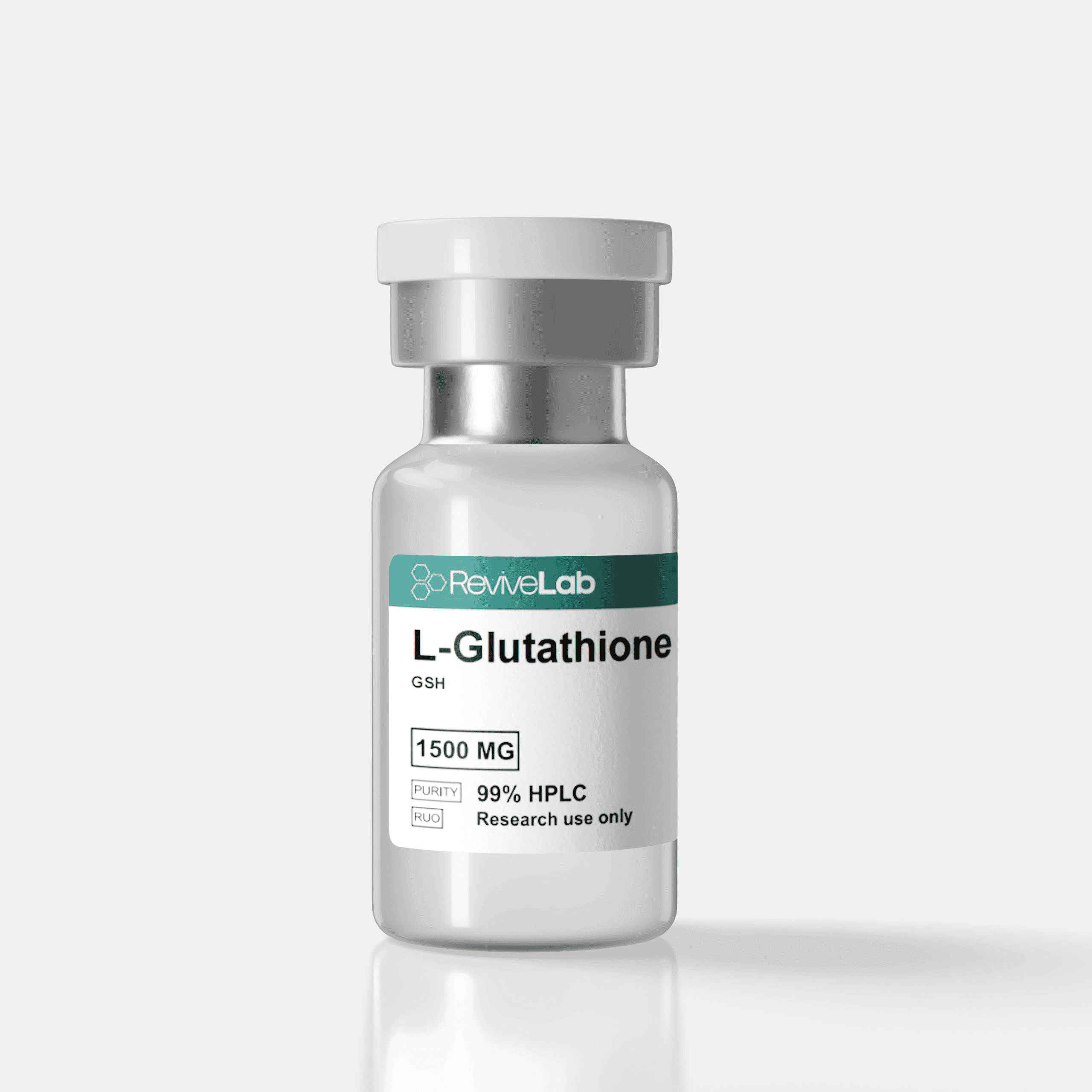
L-Glutathione

Glutathione (GSH) is a tripeptide composed of glutamine, cysteine, and glycine, and is considered the body’s master antioxidant. Found in nearly every cell, it plays a vital role in neutralizing free radicals, supporting detoxification, maintaining redox balance, and regulating immune responses. Glutathione is a key component in cellular defense against oxidative stress, and is widely studied for its involvement in liver health, immune modulation, skin function, and neurological protection. Research also links glutathione to anti-aging mechanisms and cellular repair pathways.

$79.99

In stock

-
+
Glutathione Summary

Antioxidant Protection & Redox Balance

  • Neutralizes free radicals and reactive oxygen/nitrogen species (ROS/RNS).
  • Maintains cellular redox homeostasis through the GSH/GSSG cycle.
  • Recycles oxidized vitamins C and E, sustaining a broader antioxidant network.
  • Protects lipids, proteins, and DNA from oxidative injury and lipid peroxidation.

Detoxification & Liver Support

  • Conjugates with toxins, heavy metals, and xenobiotics via glutathione S-transferase (GST) enzymes.
  • Enhances phase II liver detoxification and promotes safe excretion of harmful compounds.
  • Chelates mercury, cadmium, and other heavy metals in detox studies.
  • Protects liver from drug- and alcohol-induced damage (e.g. acetaminophen, ethanol, CCl₄).

Cellular Protection & DNA Stability

  • Essential for DNA synthesis and repair, keeping thiol groups on repair enzymes in reduced form.
  • Prevents oxidative modifications of protein and DNA that lead to mutations and apoptosis.
  • Inhibits activation of harmful pathways under oxidative or inflammatory stress.

Neuroprotection & Cognitive Support

  • Shields neurons from oxidative stress in high-metabolic environments.
  • Depletion linked to Parkinson’s, Alzheimer’s, and neurodegenerative disorders.
  • Supports mitochondrial health in neurons and enhances detox of neurotoxic substances.
  • Restores redox balance in glial cells and neural stem cell populations in vitro.

Immune Function & Inflammation Regulation

  • Enhances lymphocyte proliferation, natural killer (NK) cell activity, and macrophage response.
  • Promotes a balanced Th1/Th2 cytokine profile to prevent chronic inflammation.
  • GSH depletion leads to immunosuppression and vulnerability to infections.
  • Protects immune cells from oxidative damage during immune activation.

Metabolic & Mitochondrial Health

  • Preserves mitochondrial function by preventing ROS accumulation in the electron transport chain.
  • Detoxifies hydrogen peroxide via glutathione peroxidase (GPx), especially in mitochondria.
  • Prevents cardiolipin oxidation, cytochrome c release, and apoptotic signaling.
  • Deficiency linked to metabolic disorders, diabetes, and energy failure in high-demand tissues.

Skin Health & Anti-Aging Research

  • Protects skin cells from UV-induced oxidative damage and photoaging.
  • Modulates melanin synthesis, contributing to skin lightening (via tyrosinase inhibition).
  • Improves elasticity, reduces wrinkles, and lightens hyperpigmentation in clinical trials.
  • Antioxidant properties slow the appearance of age-related tissue degeneration.

Aging, Longevity & Redox Youthfulness

  • GSH levels decline with age, correlating with oxidative stress and immune dysfunction.
  • Restoration of GSH in aged models improves metabolic, cognitive, and immune markers.
  • Considered a biomarker of biological age and essential to redox-based longevity strategies.
Glutathione Synergies & Additive Research Compounds

To maximize the utility of NAD⁺ in experimental models, researchers often combine it with synergistic compounds that enhance its bioavailability, boost its synthesis, or work through complementary pathways. These combinations are commonly used in anti-aging, metabolic, neuroprotective, and cellular resilience research. Below is a summary of notable NAD⁺ synergies validated in preclinical studies:

NAD⁺ Synergistic Compounds

Compound Mechanism of Synergy Relevant Research / Notes
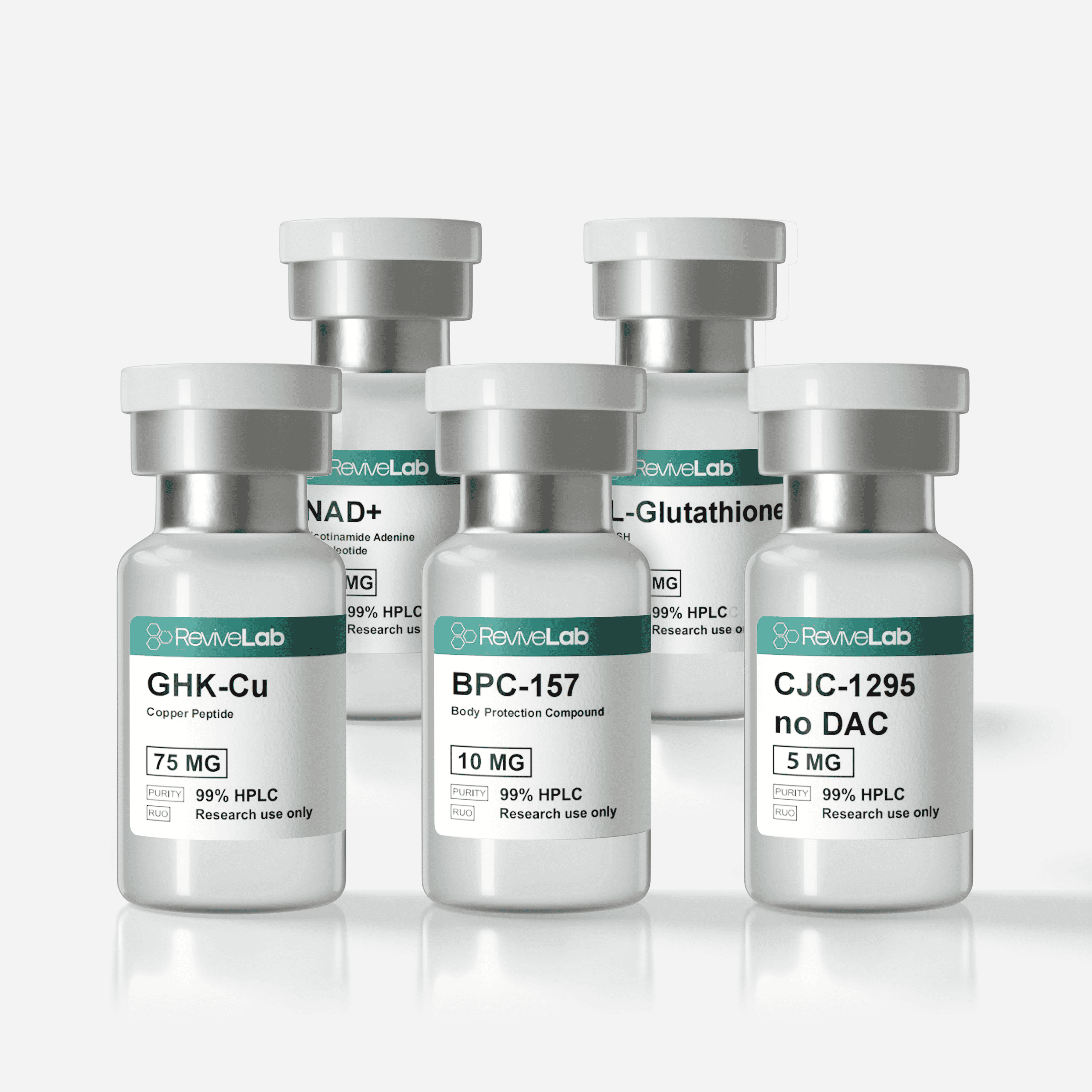
NAD⁺ Central metabolic coenzyme that replenishes mitochondrial energy and reduces oxidative burden; complements GSH in maintaining redox balance. Co-administration supports ATP synthesis, DNA repair, and antioxidant recycling in metabolic and aging models.
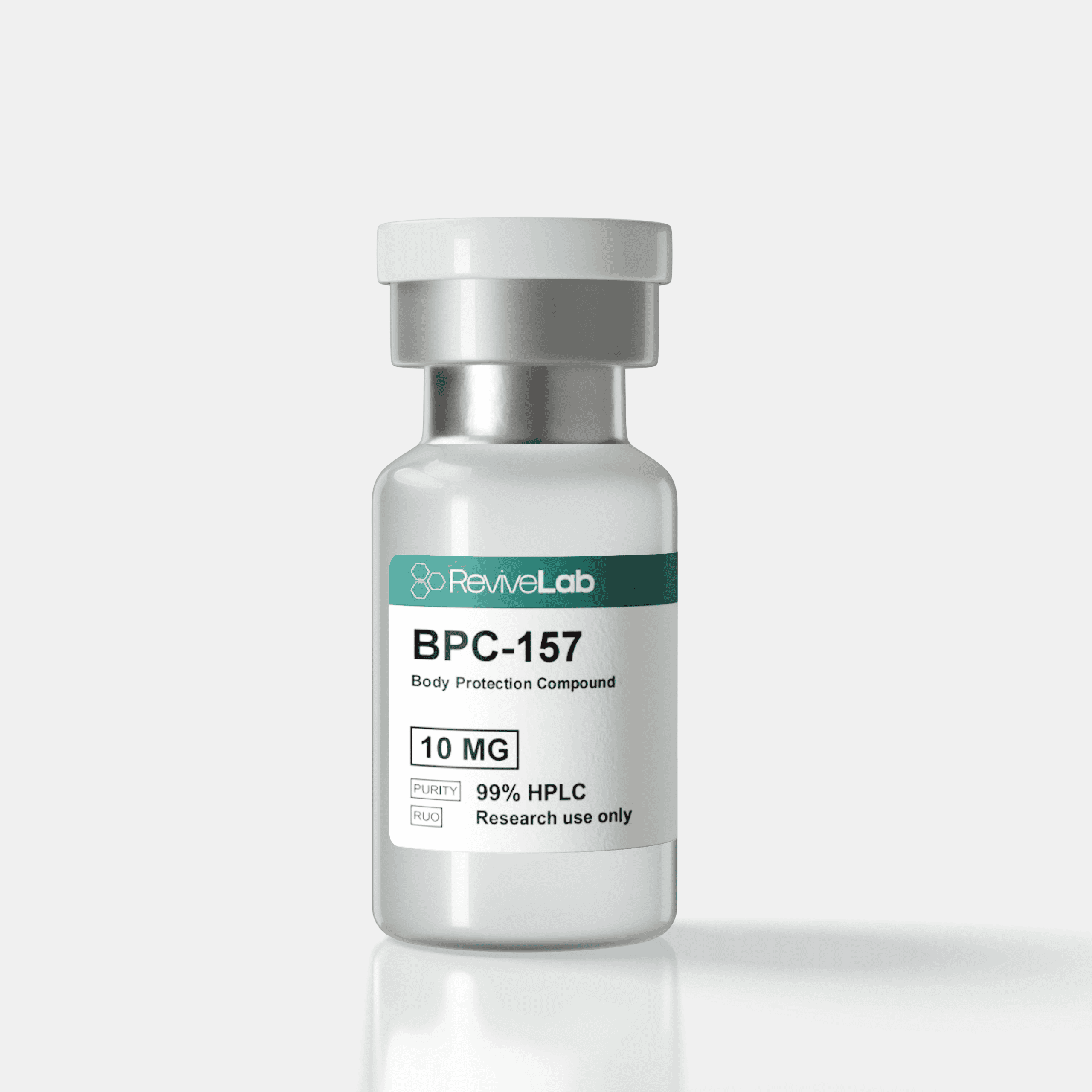
BPC-157 Promotes angiogenesis, protects endothelium, and stabilizes oxidative environments; enhances GSH-mediated cytoprotection. Used together in tissue-repair and gastric-injury models to improve antioxidant response and accelerate healing
TB-500 (Thymosin Beta-4) Mobilizes progenitor cells and protects tissues under oxidative stress; supports GSH pathways in cell recovery Demonstrated reduced lipid peroxidation and improved regeneration when paired with antioxidant systems like GSH
Thymosin Alpha-1 Immune-modulating peptide that reduces cytokine-induced oxidative stress and supports redox enzyme expression. Combined with GSH in immunological models to maintain glutathione balance and promote systemic defense
GHK-Cu Activates antioxidant gene expression (SOD, catalase) and enhances tissue repair; synergizes with GSH’s detoxification functions. Research indicates copper peptides increase intracellular antioxidant enzyme activity, supporting redox homeostasis.
MOTS-C Mitochondrial peptide that improves glucose metabolism and mitochondrial resilience; reduces ROS generation. Enhances GSH’s antioxidative performance in metabolic and anti-aging models by improving cellular respiration efficiency
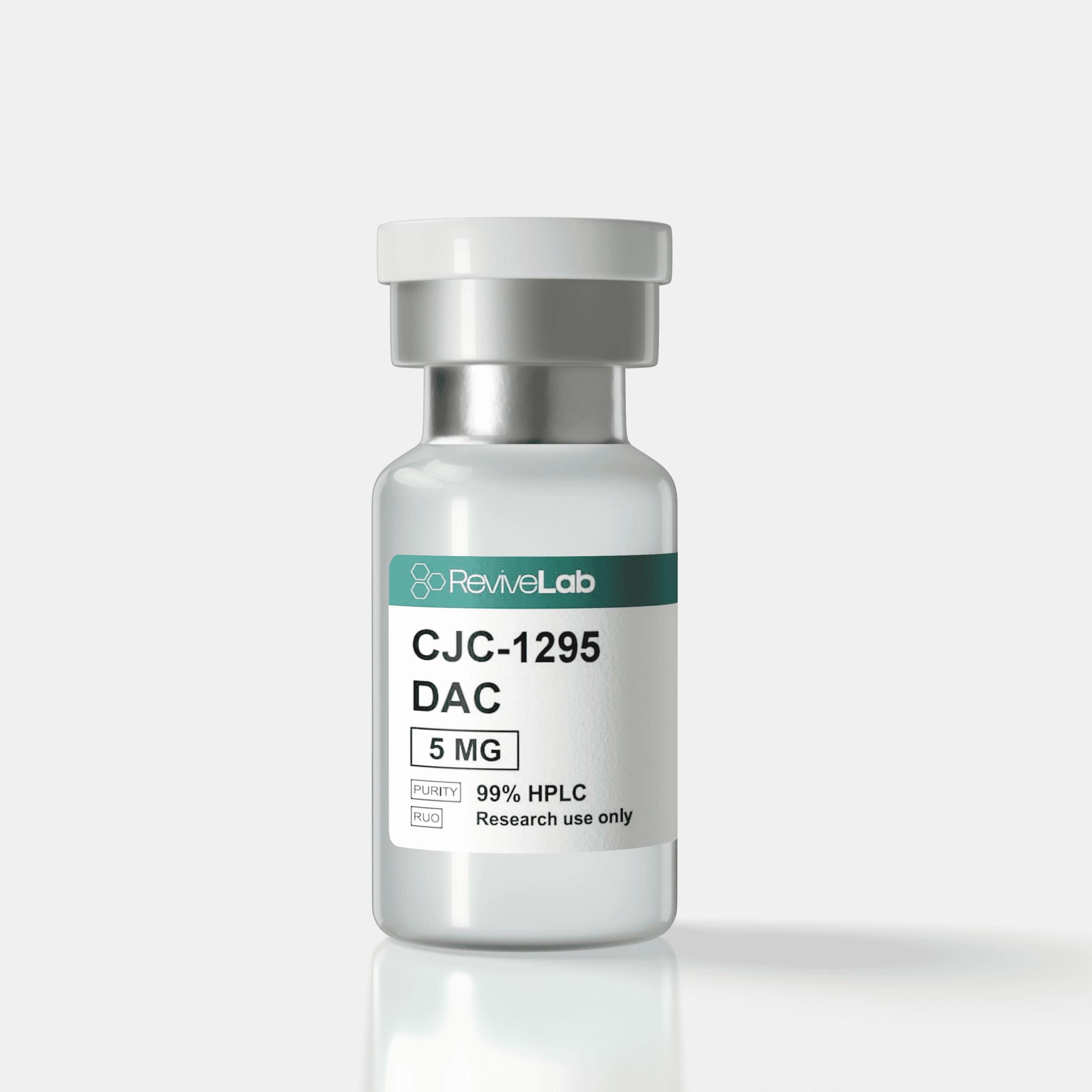
CJC-1295 (No DAC) GHRH analog stimulating GH and IGF-1 release; GH supports glutathione synthesis through enhanced hepatic and muscular metabolism. May synergize with GSH by promoting glutathione regeneration and protein turnover in energy-demanding tissues
Ipamorelin Selective GH secretagogue improving metabolic rate and mitochondrial efficiency. Works additively with GSH to protect cells from oxidative stress during GH-mediated anabolic processes.
5-Amino-1MQ NNMT inhibitor that preserves NAD⁺ and enhances SIRT1 activation; indirectly supports GSH recycling via improved energy metabolism. Co-used in metabolic stress studies to maintain GSH redox balance during fat oxidation and mitochondrial activity.
GHK-Cu + BPC-157 (Dual Synergy) Combined regenerative and antioxidant effects across cellular, vascular, and extracellular pathways. This pairing with GSH provides full-spectrum tissue protection—antioxidant, angiogenic, and collagen-regenerative synergy.


Potential Research Use Cases for NAD⁺ Combinations

  • Mitochondrial Function & Energy Metabolism:
    Glutathione + NAD⁺ / MOTS-C / 5-Amino-1MQ
    → Enhances ATP production, redox stability, and sirtuin activation in oxidative-stress models
  • Tissue & Cellular Regeneration:
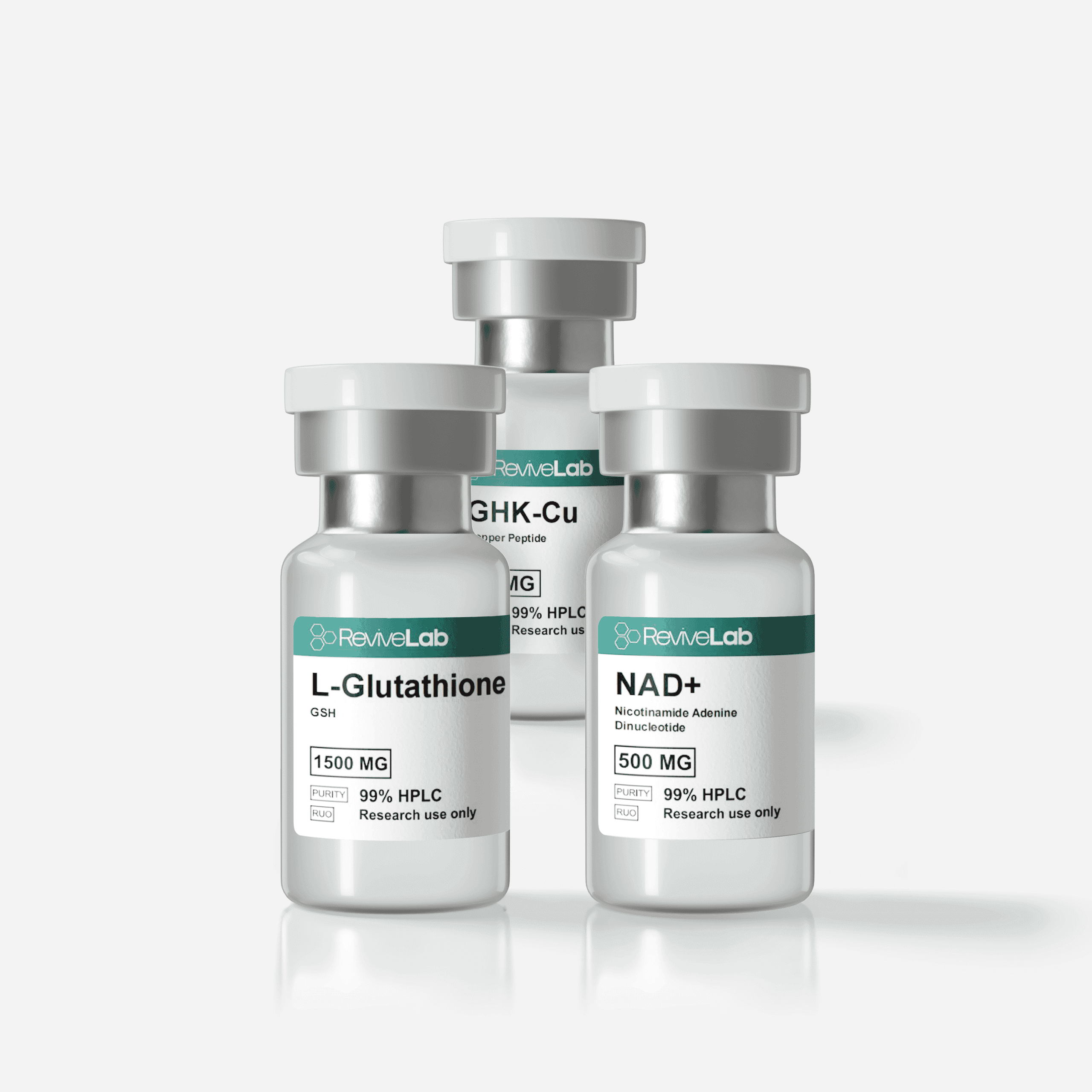
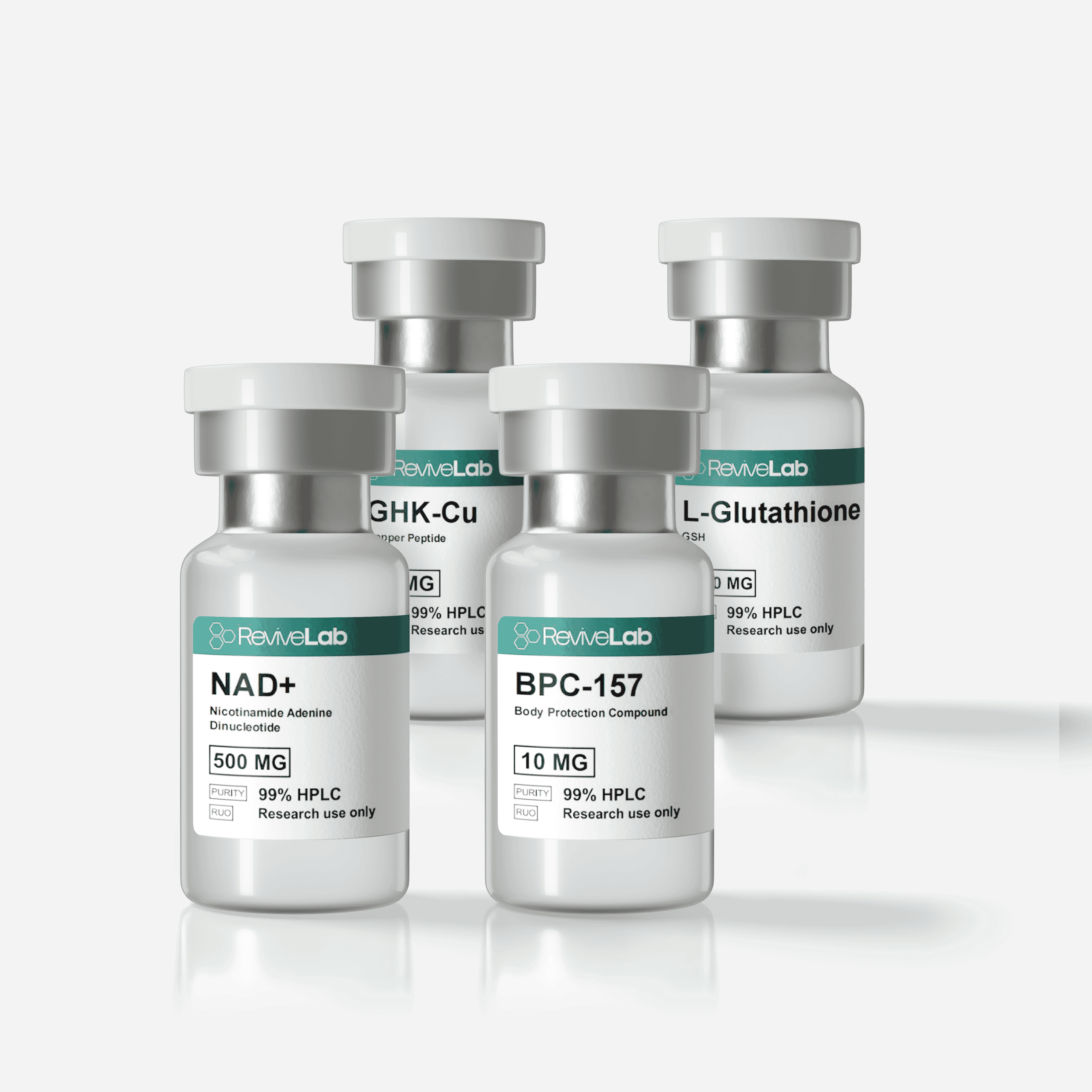
    Glutathione + BPC-157 / TB-500 / GHK-Cu
    → Promotes vascular repair, antioxidant defense, and collagen remodeling in recovery-focused studies.
  • Immune & Anti-Inflammatory Research:
    Glutathione + Thymosin Alpha-1 / BPC-157
    → Stabilizes redox-dependent immune responses and supports systemic resilience in inflammatory environments.
  • Metabolic Optimization & Longevity Models:
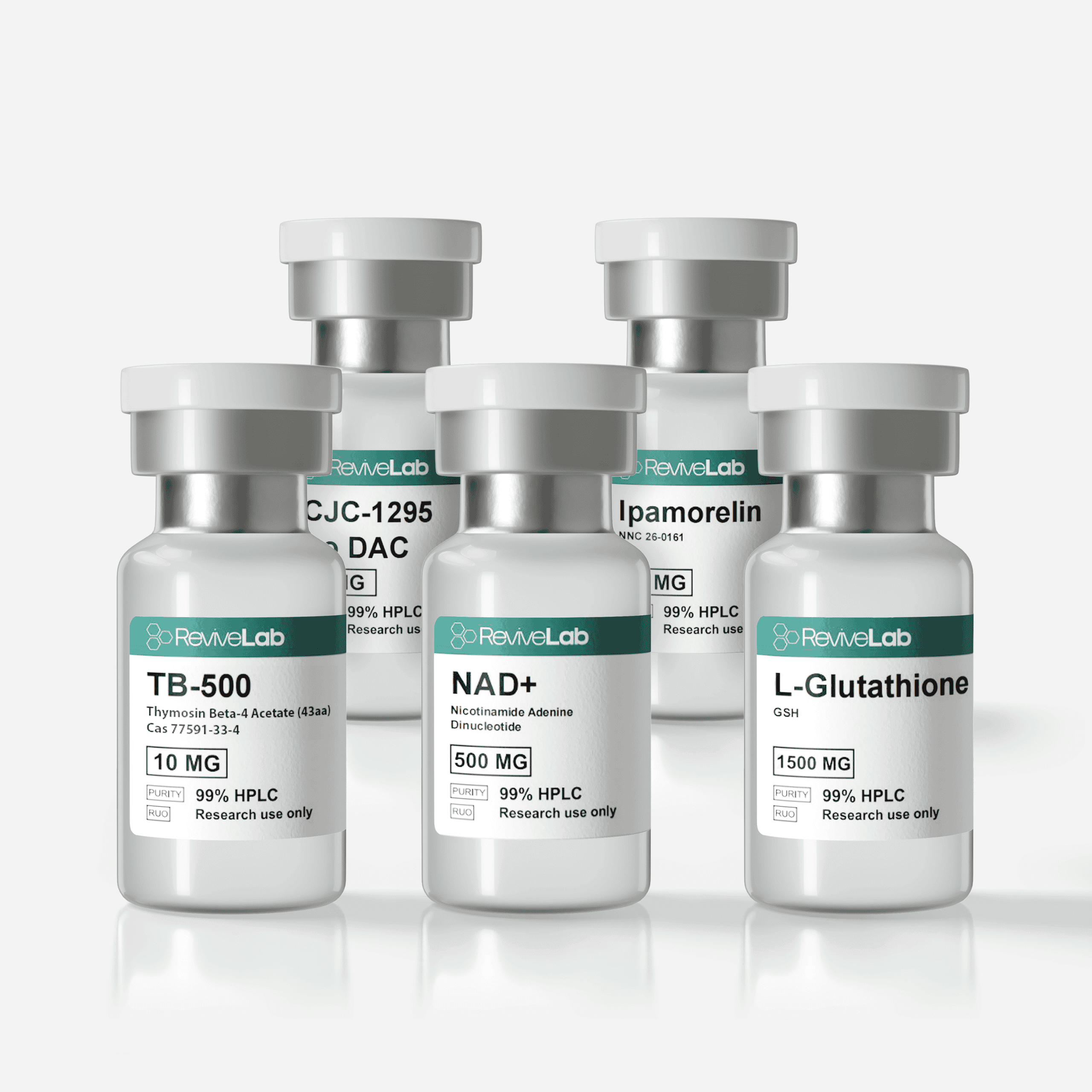
    Glutathione + CJC-1295 (No DAC) / Ipamorelin / NAD⁺
    → Supports GH-driven GSH synthesis and long-term mitochondrial stability in aging research.
  • Comprehensive Cytoprotective Studies:
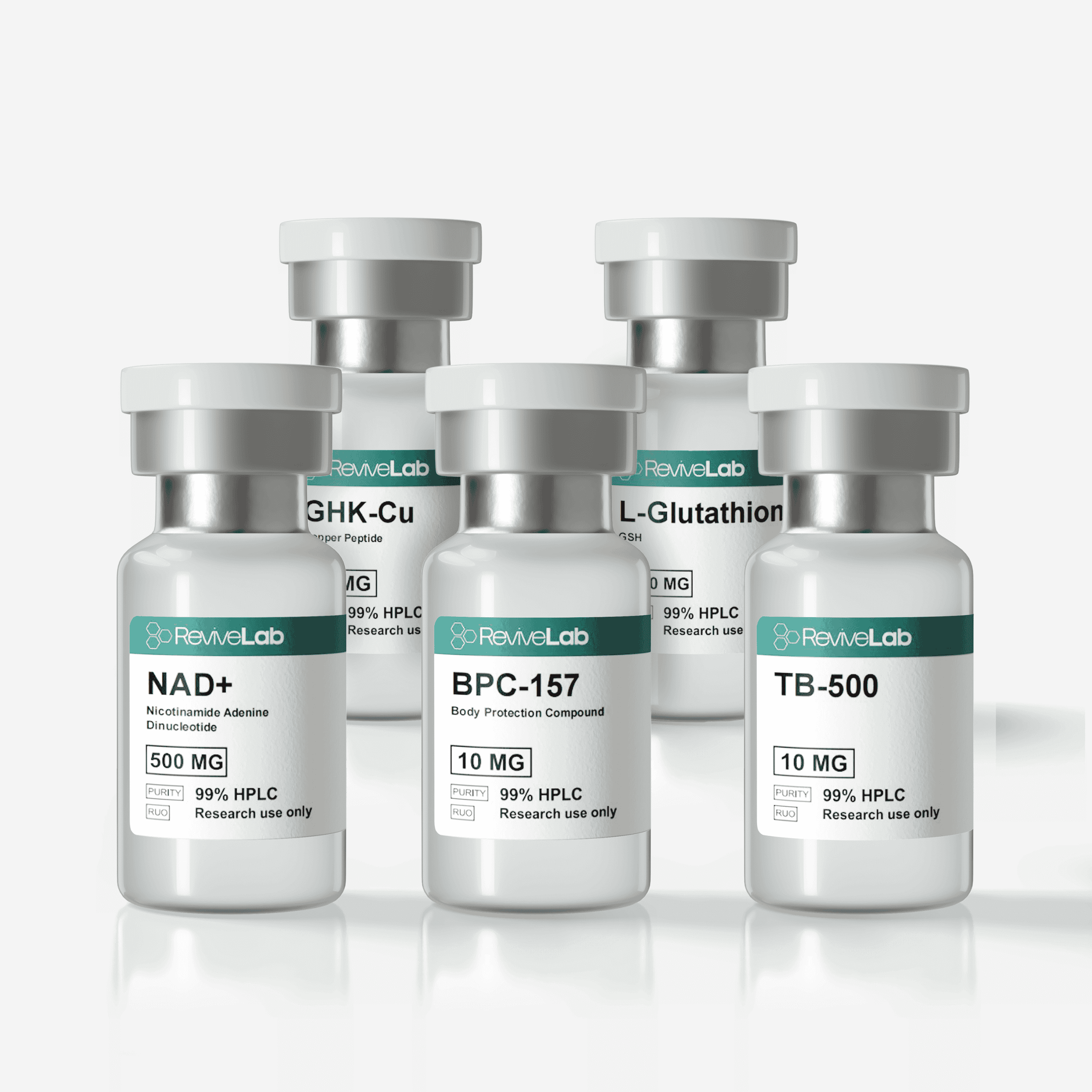
    Glutathione + GHK-Cu + BPC-157 / TB-500
    → Provides layered antioxidant, regenerative, and structural support for multi-tissue injury and recovery models.
Glutathione Research

Below is a research-focused overview of the functions and potential benefits of injectable glutathione, based on human, animal, and cell studies (for research use only).

Antioxidant Defense

Master Antioxidant Activity: Glutathione directly scavenges reactive oxygen species (ROS), peroxides, and free radicals, preventing oxidative damage to cells and tissues (Ref. 1). It also helps maintain other antioxidants in their active forms, thereby bolstering the overall antioxidant capacity of the body.

Reduction of Oxidative Stress: Injected glutathione can markedly reduce biomarkers of oxidative stress in vivo. For example, in a human trial, patients receiving IV glutathione prior to an oxidative challenge (contrast dye) had no increase in lipid peroxides, whereas untreated controls experienced nearly a threefold rise (Ref. 1). This suggests that glutathione injection provides potent protection against oxidative damage in real time.

Detoxification

Phase II Detoxifier: Glutathione is a key player in the liver’s detoxification pathways. It attaches to electrophilic toxins (through glutathione S-transferases), rendering them more water-soluble for excretion. This mechanism allows GSH to neutralize and eliminate a broad range of chemical toxins and xenobiotics, from environmental pollutants to metabolic waste products (Ref. 3).

Heavy Metal Chelation: GSH has a high affinity for heavy metals. It can bind toxic metal ions (like mercury, lead, and cadmium) and facilitate their removal from cells (Ref. 8). By chelating these metals and scavenging the free radicals they generate, glutathione protects organs (especially the liver, kidneys, and brain) from metal-induced oxidative injury (Ref. 8). Injectable glutathione effectively elevates intracellular GSH levels, thereby enhancing the body’s natural heavy-metal detoxification processes (Ref. 8).

Mitochondrial Health

Mitochondrial Protection: Within mitochondria, glutathione is indispensable for maintaining a healthy redox environment. Mitochondrial GSH is described as “the main line of defense” against oxidative damage inside the organelle, preventing the oxidative modifications that lead to mitochondrial dysfunction and cell death (Ref. 3). Sufficient GSH in mitochondria helps detoxify hydrogen peroxide and lipid peroxides (via glutathione peroxidase and related enzymes), safeguarding mitochondrial DNA and membranes (Ref. 3).

Enhancement of Energetics: Research in animal models demonstrates that boosting GSH via injection can rejuvenate mitochondrial function. In aged rats, intraperitoneal glutathione injections restored the mitochondrial redox balance – increasing the level of reduced GSH by ~54% – and significantly decreased mitochondrial oxidative stress markers (superoxide, hydrogen peroxide, and malondialdehyde) (Ref. 3). This biochemical improvement translated into better organ function: treated old rats had more resilient hearts with increased resistance to ischemia-reperfusion injury (a stress test for mitochondria-rich heart tissue) (Ref. 3). These findings highlight glutathione’s role in sustaining mitochondrial health and energy production.

Skin Lightening & Dermatological Effects

Modulation of Melanin Production: Glutathione has attracted attention for its skin-lightening properties. Mechanistically, it can inhibit tyrosinase, the enzyme that catalyzes melanin synthesis, by binding to its active copper sites (Ref. 7). GSH also shifts melanogenesis toward the production of pheomelanin (a lighter, reddish-yellow pigment) instead of eumelanin (dark pigment) (Ref. 7). Additionally, as an antioxidant, glutathione quenches the free radicals and peroxides that trigger melanin formation during UV exposure, thereby preventing new pigment formation.

Clinical Skin Outcomes: Several studies have investigated systemic glutathione for cosmetic skin benefits. Results indicate modest skin-lightening effects in certain populations. In one clinical trial, ten weekly IV glutathione treatments (600 mg each) led to an average 4.1% reduction in melanin index (skin pigmentation level) from baseline (Refs. 6–7). A subset of participants reported a visibly lighter complexion, though results varied individually. Other randomized trials using glutathione (in both reduced and oxidized forms) noted additional cosmetic improvements: treated subjects showed increased skin elasticity and reduced wrinkles in sun-exposed areas compared to placebo (Refs. 6–7). It’s important to note that glutathione’s skin-lightening effect appears to be mild and temporary, working primarily by preventing new melanin production rather than stripping existing pigment (Ref. 6).

Neuroprotection

Antioxidant Defense in the Brain: Glutathione plays a critical neuroprotective role. It is the most abundant antioxidant in the central nervous system, protecting neurons from oxidative stress and toxin-induced damage (Ref. 12). Low GSH levels in the brain are a hallmark of several neurodegenerative disorders. For instance, patients with Parkinson’s disease show glutathione levels in the substantia nigra at only ~40% of the normal levels (Ref. 12). This GSH depletion is believed to contribute to the accumulation of oxidative damage and loss of dopaminergic neurons in Parkinson’s and other age-related neurologic conditions.

IV Glutathione in Neurological Disorders: Injectable glutathione is being explored as a supportive therapy in neurodegenerative diseases. A meta-analysis of clinical trials in Parkinson’s disease (comprising seven RCTs) found that intravenous GSH therapy led to mild improvements in motor function – patients had better Unified Parkinson’s Disease Rating Scale scores compared to controls (Refs. 4–5). Notably, these functional gains were achieved without significant side effects (Refs. 4–5). The proposed mechanism is that elevated GSH protects neurons from oxidative injury and may enhance mitochondrial function in brain cells.

Immune Regulation

Immune Cell Function: Glutathione is integral to a well-functioning immune system. Immune cells (like lymphocytes and macrophages) rely on a balanced intracellular GSH level to function optimally (Ref. 2). Sufficient glutathione promotes proper T-lymphocyte proliferation, natural killer cell activity, and phagocytic function. GSH also fine-tunes cytokine profiles: high intracellular glutathione tends to shift T-helper cells toward a Th1 (cell-mediated immunity) response, characterized by higher production of IL-2, IL-12, and IFN-γ (Ref. 2).

Enhanced Immune Response in Deficiency States: In conditions associated with chronically low glutathione (such as HIV infection, malnutrition, or chronic stress), GSH augmentation has shown significant immune benefits. Clinical studies in HIV-positive patients – a population often deficient in cysteine/GSH – demonstrated that raising glutathione levels can restore immune function. Trials supplementing glutathione precursors reported significant increases in plasma GSH and improvements in T-cell redox status (Refs. 9–10, 13). These findings underline glutathione’s role in immune surveillance and suggest that injectable GSH (by acutely elevating GSH availability) could help recover immune competence in GSH-depleted states.

Safety & Tolerability

Research Use and Tolerability: In controlled studies, injectable glutathione has exhibited a strong safety profile with minimal side effects. Human trials (including those in Parkinson’s disease and skin therapy) have not reported any serious adverse events or organ toxicity attributable to GSH (Refs. 4–7). Minor reactions, if they occur, tend to be transient – for example, a temporary increase in liver enzymes in very few individuals or mild flushing – and resolve on their own (Ref. 6). That said, because long-term effects of high-dose or prolonged glutathione injections are not fully characterized, this compound is offered for research purposes only under non-human use conditions. All available data support that short-term or moderate use is well tolerated in research settings (Ref. 14), but prudent oversight is advised pending further studies on extended use.

Glutathione (GSH) Research References
Ref. No. Study / Source Focus / Key Findings Link
1 Saitoh T. et al., 2011. Intravenous glutathione prevents renal oxidative stress during coronary angiography. Heart Vessels, 26(5):501–507. Human RCT: IV GSH before angiography prevented rise in lipid hydroperoxides vs controls. PubMed
2 Sekhar R.V. et al., 2011. Deficient synthesis of glutathione underlies oxidative stress in aging and can be corrected by dietary cysteine and glycine supplementation. Am J Clin Nutr, 94(3):847–853. Elderly human trial: cysteine+glycine restored GSH synthesis and lowered oxidative stress. PMC
3 Strutynska N. et al., 2023. Glutathione restores the mitochondrial redox status and improves the function of the cardiovascular system in old rats. Frontiers in Physiology, 13:1093388. Aged-rat in vivo: pretreatment with exogenous GSH increased reduced GSH (~+54%), lowered mitochondrial oxidative stress markers, inhibited mPTP opening, and improved heart resistance to ischemia-reperfusion; vascular function also improved. PMC
4 Hauser R.A. et al., 2009. Randomized, double-blind, pilot evaluation of intravenous glutathione in Parkinson’s disease. Mov Disord, 24(7):979–983. Human RCT (PD): IV GSH showed mild motor improvement; well tolerated. PubMed
5 Wang H.-L. et al., 2020. Potential use of glutathione as a treatment for Parkinson’s disease. Experimental and Therapeutic Medicine, 21(2): 125. Meta-analysis of human RCTs (Parkinson’s disease): IV glutathione improved Unified Parkinson’s Disease Rating Scale (UPDRS III) motor scores without added adverse events. PMC
6 Weschawalit S. et al., 2017. Effects of oral reduced and oxidized glutathione supplementation on skin properties: a randomized, double-blind, placebo-controlled study. Clinical, Cosmetic and Investigational Dermatology, 10: 29–35. Human RCT: Oral GSH/GSSG 250 mg daily for 12 weeks significantly reduced melanin index on exposed and unexposed skin, increased skin elasticity, and was well tolerated. PMC
7 Arjinpathana N., Asawanonda P., 2010. Glutathione as an oral whitening agent: a randomized, double-blind, placebo-controlled study. J Dermatolog Treat, 21(5):310–315. Human RCT: oral GSH 500 mg/day × 4 weeks reduced melanin index in healthy adults. PubMed
8 Girardi G. et al., 1993. Renal non-protein sulfhydryls determine mercury accumulation and elimination in rats. Toxicology, 81(1):57–68. Rat in-vivo: renal GSH governs mercury accumulation & clearance → supports detox role. PubMed
9 Micke P. et al., 2001. Cysteine-rich whey proteins increase glutathione and reduce oxidative stress in HIV infection. Eur J Clin Invest, 31(2):171–178. HIV patients: whey proteins increased plasma GSH and antioxidant capacity in vivo. PubMed
10 De Rosa S.C. et al., 2000. N-acetylcysteine replenishes glutathione in HIV infection. Eur J Clin Invest, 30(10):915–929. HIV patients: oral NAC restored whole-blood and T-cell GSH levels in vivo. PubMed
11 Cascinu S. et al., 2002. Glutathione prevents oxaliplatin-induced neurotoxicity. J Clin Oncol, 20(1):347–353. Human RCT (oncology): IV GSH prevented oxaliplatin neuropathy without compromising efficacy. PubMed
12 Sian J. et al., 1994. Reduced glutathione in the substantia nigra in Parkinson’s disease. Ann Neurol, 36(3):348–355. Post-mortem human: nigral GSH ≈ 40% of control levels in PD. PubMed
13 Micke P. et al., 2002. Long-term cysteine-rich whey protein supplementation increases plasma glutathione in HIV infection. Eur J Clin Invest, 32(5):351–356. HIV patients (6-month): sustained ↑ plasma GSH with long-term whey protein. PubMed
14 Albers J.W., Chaudhry V., Cavaletti G., Donehower R.C. (2011; updated 2014). Interventions for preventing neuropathy caused by cisplatin and related compounds. Cochrane Database of Systematic Reviews, 2011(2): CD005228 (update 2014(3)). Systematic review of human RCTs: evaluated GSH among other neuroprotective agents in platinum-chemotherapy neuropathy. PMC

Stack With