 MOTS-C
  Semaglutide + NAD⁺ + Glutathione + AOD-9604
  Bacteriostatic Water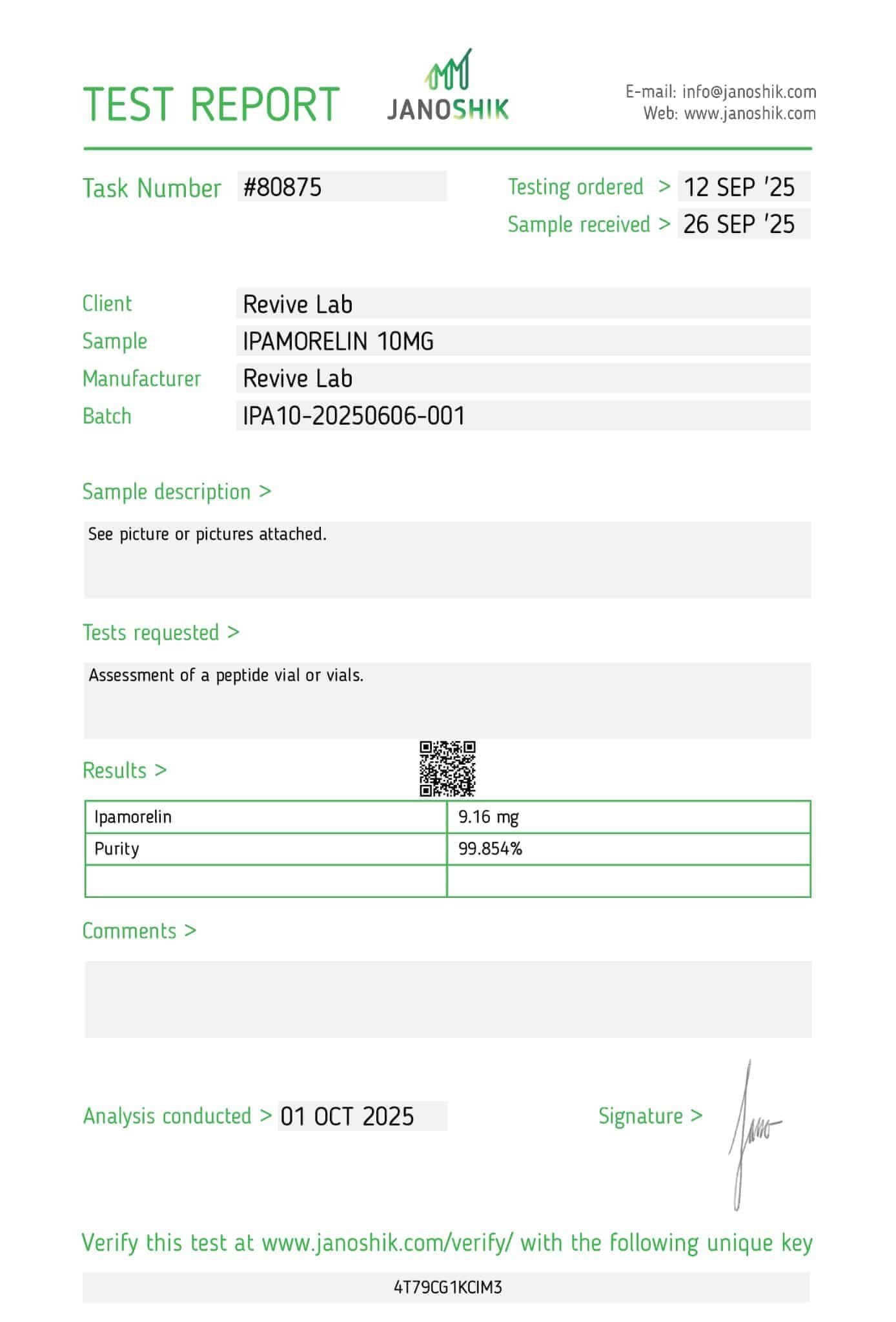
Back to all products
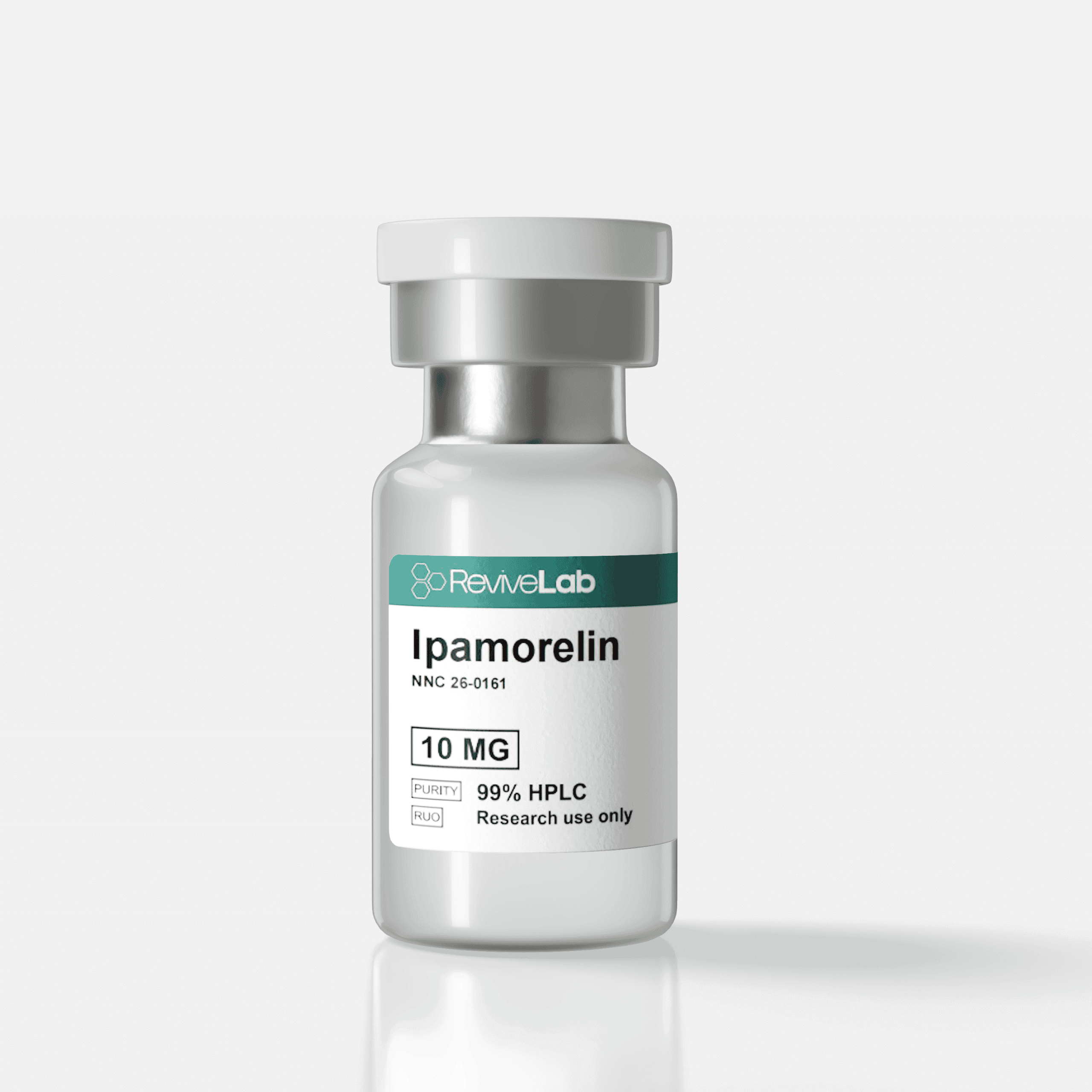
Ipamorelin
Ipamorelin is a highly selective growth hormone secretagogue (GHS) and synthetic pentapeptide that stimulates the release of growth hormone (GH) by activating the ghrelin receptor (GHS-R1a) in the pituitary and hypothalamus. Unlike older GHS compounds (e.g., GHRP-6, GHRP-2), ipamorelin does not increase cortisol, ACTH, or prolactin, making it uniquely targeted for GH modulation. It promotes pulsatile GH secretion, which leads to downstream IGF-1 elevation, supporting research on muscle growth, fat metabolism, tissue regeneration, and bone formation. Its clean hormonal profile and excellent tolerability have made it a widely used investigational tool in endocrine, metabolic, and anti-catabolic models.
$79.99
In stock
Disclaimer: This compound is not intended for human or veterinary use. Ipamorelin is sold strictly for laboratory research purposes only. Any mention of effects is provided for educational information and relates solely to preclinical or experimental studies and does not imply efficacy in humans.
COA
Ipamorelin Summary
Cellular GH Release & IGF-1 Axis
- Stimulates growth hormone (GH) release via selective activation of GHS-R1a (ghrelin receptor).
- Triggers pulsatile GH secretion without affecting ACTH, cortisol, or prolactin levels.
- Enhances downstream production of IGF-1, promoting anabolic signaling.
- Maintains pituitary responsiveness and avoids receptor desensitization during chronic dosing.
Muscle Growth & Lean Mass Preservation
- Promotes skeletal muscle hypertrophy through GH/IGF-1 activation.
- Prevents muscle wasting under catabolic stress (e.g. glucocorticoids).
- Improves nitrogen retention and protein synthesis in preclinical models.
- Accelerates recovery from muscle injury in degenerative and repair studies.
Bone Density & Longitudinal Growth
- Stimulates osteoblast activity and collagen production in bone tissue.
- Increases tibial growth and periosteal bone formation in animal models.
- Counteracts glucocorticoid-induced bone loss in preclinical research.
- Supports bone remodeling without excessive osteoclast activation or organomegaly.
Fat Metabolism & Body Composition
- Induces GH-mediated lipolysis, enhancing fat oxidation and energy mobilization.
- Improves lean-to-fat mass ratio through hormonal and metabolic modulation.
- Initial appetite stimulation may raise body weight transiently; long-term effects favor fat loss.
- Supports nutrient repartitioning and metabolic regulation in GH-deficient states.
Appetite Stimulation & Ghrelin Activity
- Mimics ghrelin to increase appetite via hypothalamic NPY/AgRP neuron activation.
- Enhances caloric intake in cachexia and frailty research models.
- Elevates leptin in early dosing phases, reflecting increased feeding and fat storage.
- Stimulates feeding behavior more selectively than older GHRPs.
Gastrointestinal Motility & Recovery
- Improves gastric emptying and intestinal transit in models of postoperative ileus.
- Restores gut motility by stimulating enteric cholinergic pathways.
- Shortens time to first bowel movement in surgical recovery studies.
- Synergistic with enteric nerve function in inflammation and GI stasis research.
Pancreatic Function & Insulin Secretion
- Stimulates insulin release in vitro through calcium-dependent islet cell activation.
- Engages neuroadrenergic and cholinergic pathways in pancreatic hormone regulation.
- May counterbalance GH’s diabetogenic effects under controlled metabolic conditions.
- Contributes to studies on islet signaling and insulinotropic peptide actions.
Inflammation & Anti-Catabolic Protection
- Counters glucocorticoid-induced suppression of muscle and bone.
- Supports immune resilience via anabolic hormone stabilization.
- May reduce catabolic signaling in injury, fasting, or chronic stress states.
- Acts selectively without increasing systemic cortisol or stress hormones.
Endocrine Selectivity & Safety Profile
- Does not stimulate prolactin, TSH, FSH, LH, or cortisol at therapeutic GH doses.
- Maintains normal organ size and liver enzymes in animal safety studies.
- Pituitary function remains intact after extended use.
- Exhibits excellent tolerability in early-phase human and animal trials.
Ipamorelin Synergies & Additive Research Compounds
To maximize the utility of Ipamorelin in experimental models, researchers often combine it with synergistic compounds that enhance GH secretion, stabilize anabolic signaling, or support the metabolic and recovery pathways triggered by GH/IGF-1 activation. These combinations are commonly used in studies of muscle growth, tissue regeneration, energy metabolism, and endocrine regulation.
Below is a summary of notable Ipamorelin synergies validated in preclinical or mechanistic studies:
Ipamorelin Synergistic Compounds
| Compound | Mechanism of Synergy | Relevant Research / Notes |
|---|---|---|
| CJC-1295 (No DAC) | GHRH analog that amplifies pituitary GH pulse amplitude; synergistic with Ipamorelin’s ghrelin-receptor activation. | Gold-standard GHRH + GHRP pairing for robust, physiologic GH and IGF-1 elevation in research settings. |
| CJC-1295 | Long-acting GHRH analog maintaining elevated baseline GH while preserving Ipamorelin-driven pulses. | Provides both sustained and pulsatile GH stimulation for prolonged anabolic and metabolic research. |
| GHRP-2 | Stronger GH secretagogue that increases GH pulse intensity; complements Ipamorelin’s selective release profile. | Co-activation in pituitary models produces additive GH and IGF-1 increases without receptor fatigue. |
| IGF-1 LR3 | Downstream anabolic mediator of GH; promotes muscle hypertrophy and connective-tissue regeneration. | Combined in muscle and tendon recovery studies for enhanced myogenic signaling and structural repair. |
| TB-500 (Thymosin Beta-4) | Regenerative peptide that promotes angiogenesis and cellular migration; complements GH-driven recovery. | Used with Ipamorelin in post-injury models to accelerate healing and reduce fibrotic scarring. |
| BPC-157 | Potent angiogenic and anti-inflammatory peptide that supports tissue remodeling. | Works synergistically with Ipamorelin’s anabolic pathways to improve healing and systemic recovery. |
| GHK-Cu | Copper peptide enhancing collagen, elastin, and skin remodeling. | Complements GH-mediated regeneration, improving extracellular matrix structure in dermal and connective tissue. |
| Thymosin Alpha-1 | Immune-modulating peptide that reduces inflammation and promotes regenerative balance. | Enhances Ipamorelin’s systemic recovery profile by stabilizing immune and cytokine responses in injury models. |
| MOTS-C | Mitochondrial peptide improving energy metabolism and insulin sensitivity. | Supports Ipamorelin’s metabolic effects during GH-axis activation, promoting efficient nutrient partitioning. |
| Glutathione | Endogenous antioxidant tripeptide that reduces oxidative stress during anabolic phases. | Complements Ipamorelin’s GH-mediated tissue growth and recovery by preserving redox homeostasis. |
Potential Research Use Cases for Ipamorelin Combinations
- GH/IGF-1 Axis Activation:
Ipamorelin + CJC-1295 (No DAC) / CJC-1295 (DAC) / GHRP-2
→ Enhances GH pulse amplitude and duration for anabolic and endocrine research models - Muscle & Connective-Tissue Regeneration:
Ipamorelin + IGF-1 LR3 / TB-500 / BPC-157
→ Supports myogenesis, collagen synthesis, and soft-tissue repair through GH and regenerative co-pathways.
- Dermal & Structural Restoration:
Ipamorelin + GHK-Cu / Thymosin Alpha-1
→ Promotes extracellular matrix renewal and reduces inflammatory interference during regeneration. - Metabolic Health & Mitochondrial Function:
Ipamorelin + MOTS-C / Glutathione
→ Enhances energy turnover and protects against oxidative stress in GH-activated metabolic models.
- Comprehensive Recovery & Anti-Aging Studies:
Ipamorelin + CJC-1295 (No DAC) / BPC-157 / TB-500
→ Combines hormonal, regenerative, and cytoprotective mechanisms for broad-spectrum recovery research
Ipamorelin Research
Mechanism of Action
Ghrelin Receptor Agonist: Ipamorelin is a synthetic pentapeptide that selectively binds to the growth hormone secretagogue receptor (GHSR-1a, the ghrelin receptor) in the pituitary and hypothalamus (Ref 1). By mimicking ghrelin, it triggers a potent release of growth hormone (GH) in a pulsatile fashion (Ref 6) (Ref 7). Notably, ipamorelin displays high specificity for GH release – unlike earlier GH secretagogues, it does not significantly elevate cortisol or ACTH levels, even at doses hundreds of times higher than needed for GH stimulation (Ref 1). It also showed no measurable impact on other pituitary hormones (such as prolactin, follicle-stimulating hormone, luteinizing hormone, thyroid-stimulating hormone), underscoring its targeted action on the GH axis (Ref 1). This selectivity makes ipamorelin unique in eliciting GH secretion without off-target endocrine effects (Ref 1) (Ref 6).
Endogenous GH & IGF-1 Stimulation: By engaging GHSR-1a, ipamorelin amplifies the body’s own GH pulsatility and downstream insulin-like growth factor 1 (IGF-1) production. Animal studies have shown that growth hormone secretagogues like ipamorelin can raise GH and IGF-1 levels to ranges comparable to those achieved with exogenous GH therapy (Ref 6). Importantly, ipamorelin-induced GH release preserves the normal pulsatile rhythm (avoiding the continuous supraphysiologic exposure caused by direct GH injections) (Ref 6). This physiological pattern of GH elevation is associated with anabolic signals that promote growth and metabolism while potentially reducing side effects linked to constant GH exposure (Ref 6) (Ref 7). In short-term rodent studies, ipamorelin robustly elevated GH (with efficacy similar to GHRP-6) without depleting pituitary GH stores (Ref 2) (Ref 6), and repeated dosing can increase circulating IGF-1 as the liver responds to higher GH pulses (Ref 6).
Anabolic Effects on Muscle and Tissue
Muscle Growth & Anti-Catabolic Action: The GH/IGF-1 surge from ipamorelin has been linked to anabolic effects on skeletal muscle. Preclinical experiments indicate that ipamorelin can prevent muscle wasting under catabolic stress. For example, in rats given high-dose glucocorticoids (which induce muscle atrophy), concurrent ipamorelin administration preserved muscle strength – the maximal muscle force (tetanic tension) was significantly higher in ipamorelin-treated rats compared to glucocorticoid-only controls (Ref 3). This suggests ipamorelin counteracts steroid-induced muscle breakdown, likely by stimulating protein synthesis and muscle fiber maintenance via GH/IGF-1 pathways. Similarly, ipamorelin-treated animals show improvements in lean tissue mass and recovery in models of muscle degenerative conditions, consistent with growth hormone’s known role in promoting muscle hypertrophy and repair (Ref 4) (Ref 6). All such effects remain preclinical, but they highlight ipamorelin’s potential to enhance muscle anabolism and mitigate muscle catabolism in experimental settings.
Tissue Regeneration & Recovery: Beyond muscle, the growth factors induced by ipamorelin may support broader tissue repair processes. GH and IGF-1 are key mediators of cell proliferation and collagen synthesis in various tissues; ipamorelin’s ability to elevate these factors has made it an investigational tool for studying wound healing and regeneration. Research in animal models shows that GH secretagogues can accelerate soft tissue repair and improve nitrogen balance (PMC). While specific in vitro studies on ipamorelin and wound healing are limited, it is hypothesized (by analogy to other GH releasers) that ipamorelin could enhance cellular recovery pathways (e.g., via PI3K/Akt/mTOR signaling) in muscle, tendon, or skin by increasing available IGF-1 and other anabolic hormones.
Skeletal Effects (Bone Density & Growth)
Bone Formation & Growth: Ipamorelin has demonstrated significant osteogenic effects in animal studies. In adult rats, repeated ipamorelin injections dose-dependently increased longitudinal bone growth – tibial growth rates rose from ~42 μm/day (controls) to ~50–52 μm/day at higher doses (Ref 2). Treated animals also showed greater overall weight gain, reflecting anabolic influence on the musculoskeletal system (Ref 2) (Ref 4). Notably, a short 15-day ipamorelin regimen did not significantly change basal IGF-1 or bone turnover markers (Ref 2), suggesting the bone length gains were driven directly by pulsatile GH stimulation of the growth plates. In a separate study, ipamorelin counteracted glucocorticoid-induced bone loss: rats given the corticosteroid methylprednisolone normally experience suppressed bone formation, but co-treatment with ipamorelin for 3 months increased periosteal bone formation rates four-fold compared to steroid alone (Ref 3). The ipamorelin + steroid group essentially maintained normal bone formation and bone strength, whereas glucocorticoid-only animals had reduced bone deposition (Ref 3). These findings illustrate ipamorelin’s potent pro-bone effects, presumably via GH/IGF-1’s known actions on osteoblasts and collagen deposition. Overall, in preclinical models ipamorelin promotes bone density, stimulates new bone growth, and protects the skeletal architecture from catabolic stress (Ref 2) (Ref 4).
Bone Healing & Remodeling: The GH secretagogue activity of ipamorelin may also influence bone remodeling dynamics. GH and IGF-1 play roles in both bone formation and resorption; consistent with this, ipamorelin-treated animals show changes in bone remodeling parameters. For instance, ipamorelin did not significantly alter the number of osteoclasts (bone-resorbing cells) in rat studies (Ref 2), indicating it may increase bone formation without excessively boosting bone resorption. This balanced effect could favor net gains in bone mass. Additionally, by raising IGF-1 locally, ipamorelin might accelerate fracture healing or improve bone quality – an idea supported indirectly by the peptide’s strong anabolic impact on collagen-rich tissues in animal research (Ref 6).
Metabolic Effects & Body Composition
Fat Metabolism and Lipolysis: As a GH secretagogue, ipamorelin influences adipose tissue metabolism. Growth hormone is lipolytic – it promotes the breakdown of triglycerides in fat cells – so the GH pulses from ipamorelin can lead to increased fat utilization. In research models, GH secretagogues have been shown to reduce adiposity and improve lean mass ratios, much like direct GH therapy (Ref 6). For example, chronic ipamorelin administration in GH-deficient animals decreased fat accumulation relative to controls by stimulating metabolism and mobilizing fat stores (an effect evident when GH signaling is the limiting factor) (Ref 7). In GH-competent models, however, ipamorelin’s net effect on fat can be complex: one study noted that ipamorelin-treated normal mice had a higher body fat percentage initially than untreated mice (Ref 7), an outcome attributed to its ghrelin-mimetic appetite stimulation (leading to increased caloric intake) rather than a failure of lipolysis. Over time, as feeding stabilized, the GH-driven fat-burning may offset this early weight gain. Indeed, across studies, GHS compounds (including ipamorelin) tend to increase lean body mass and decrease fat mass when evaluated under controlled conditions of caloric intake (Ref 5) (Ref 6).
Body Weight and Organ Size: In extended studies, ipamorelin causes moderate weight gain, mostly due to increased fat and water retention in the early phase of treatment. For instance, mice receiving ipamorelin for several weeks showed a ~15–17% increase in body weight (vs. saline controls) within the first 1–2 weeks (Ref 7) (Ref 6). This weight gain plateaued thereafter, unlike continuous GH administration which kept increasing weight over 9 weeks (Ref 7). Importantly, ipamorelin did not cause disproportionate organ growth – treated animals did not exhibit organomegaly; their liver, spleen, and other organ weights remained similar to controls (Ref 1). (By contrast, high-dose GH therapy in the same studies enlarged the liver and some organs (Ref 7)). This suggests a safer physiological profile, wherein anabolic effects are more targeted to muscles and bones rather than unintended organ enlargement.
Appetite and Ghrelin-Like Effects
Appetite Stimulation: Ipamorelin reproduces certain effects of the natural hunger hormone ghrelin. Ghrelin normally signals hunger by acting on hypothalamic centers; as a ghrelin receptor agonist, ipamorelin can similarly increase appetite. In rodent studies, ipamorelin treatment led to greater food intake – for example, cumulative food consumption rose significantly during the first week of ipamorelin administration compared to controls (Ref 7). Correspondingly, serum leptin (a hormone reflecting fat storage and satiety) was elevated after two weeks of ipamorelin, consistent with increased caloric intake and adiposity (Ref 7). These findings indicate a robust orexigenic (appetite-stimulating) effect: animals eat more when given ipamorelin, likely due to activation of neuropeptide Y/AgRP neurons in the hypothalamus (as seen with ghrelin) and other central pathways that regulate feeding behavior. Notably, this effect is more selective than with some older GHRPs (e.g., GHRP-6 is infamous for extreme appetite stimulation), but ipamorelin still measurably enhances hunger signals in research animals (Ref 10) (Ref 7).
Gastrointestinal Motility: Ghrelin receptors are abundant in the GI tract, and ipamorelin’s activation of these receptors yields notable pro-kinetic effects. In animal models of postoperative ileus (a condition of delayed gut motility after surgery), ipamorelin dramatically improved gastrointestinal transit. Rats with surgically induced ileus had a faster return of bowel function when treated with ipamorelin, evidenced by a shorter time to first bowel movement and a higher output of fecal matter compared to controls (Ref 8). Ipamorelin also accelerated gastric emptying in these models: it reversed the abnormally slow stomach emptying caused by surgical stress, bringing it closer to normal rates (Ref 8) (Ref 5). Mechanistic studies implicate the enteric nervous system – ipamorelin appears to stimulate cholinergic neurons in the gut, increasing acetylcholine-driven smooth muscle contractions (Ref 8). In isolated intestinal tissue, ipamorelin restores contractile responses that were suppressed by inflammation or surgery (Ref 8). A clinical trial in post-bowel resection patients tested ipamorelin (0.03 mg/kg twice daily for up to 7 days). While the treated group tended to have earlier resumption of eating and bowel movements, the differences versus placebo were not statistically significant overall, though open surgery patients showed more promising trends (Ref 9).
Pancreatic & Metabolic Hormone Effects
Insulin Secretion: In vitro studies using isolated rat pancreas tissue have shown that ipamorelin can directly stimulate insulin release (Ref 11). When pancreatic fragments from normal or diabetic rats were incubated with ipamorelin, insulin secretion increased significantly in a dose-dependent manner (Ref 11). This effect was blocked by calcium-channel antagonism and adrenergic blockade, indicating that ipamorelin’s insulinotropic action depends on Ca²⁺ influx and neural transmitter signaling (Ref 11). In diabetic rat pancreata, anti-cholinergic agents also reduced insulin output, suggesting vagal involvement. The overall mechanism suggests insulin secretion via calcium-dependent and neuroadrenergic pathways (Ref 11). Though ipamorelin’s net glycemic impact in vivo remains complex (due to GH’s diabetogenic effects), these findings support its role in endocrine pancreas modulation.
Other Hormonal Effects: Unlike some GH secretagogues (GHRP-2, GHRP-6), ipamorelin does not significantly affect prolactin, thyroid hormone, or gonadotropins at GH-stimulating doses (Ref 1). It does not cause GH axis desensitization with chronic dosing, as the pituitary remains responsive to GHRH and other stimuli (Ref 2). This hormone-sparing profile underscores its value as a highly selective research peptide.
Research Status and Safety Profile
Preclinical and Clinical Research: Ipamorelin remains investigational and is not approved for clinical use. It has shown diverse effects in preclinical and early-phase human studies — from GH/IGF-1 stimulation and tissue growth to GI motility and insulin secretion — without severe adverse events. Animal toxicology studies report good tolerability, even at high doses, and no evidence of organ enlargement or major endocrine disruption (Ref 1).
Regulatory Use: Ipamorelin is sold strictly for laboratory research purposes only. All current applications remain experimental, with ongoing research into its long-term effects, optimal dosing, and safety profile in non-clinical settings.
Ipamorelin Research References
| Ref. No. | Study / Source | Focus / Key Findings | Link |
|---|---|---|---|
| 1 | Raun K, et al. Ipamorelin, the first selective growth hormone secretagogue. Eur J Endocrinol. 1998;139(5):552–561 | The development and pharmacology of a new potent growth hormone (GH) secretagogue, ipamorelin, is described. | PubMed |
| 2 | Johansen PB, et al. Ipamorelin, a new growth-hormone-releasing peptide, induces longitudinal bone growth in rats. Growth Horm IGF Res. 1999;9(2):106–113. | Findings include unchanged pituitary GH content after treatment. | PubMed |
| 3 | Andersen NB, et al. The growth hormone secretagogue ipamorelin counteracts glucocorticoid-induced decrease in bone formation of adult rats. Growth Horm IGF Res. 2001;11(5):266–272 | The ability of the growth hormone secretagogue (GHS) Ipamorelin to counteract the catabolic effects | PubMed |
| 4 | Svensson J, et al. The GH secretagogues ipamorelin and GHRP-6 increase bone mineral content in adult female rats. | Growth hormone (GH) is of importance for normal bone remodelling. | PubMed |
| 5 | Greenwood-Van Meerveld B, et al. Efficacy of ipamorelin, a ghrelin mimetic, on gastric dysmotility in a rodent model of postoperative ileus. | The goal of this study was to investigate whether ipamorelin, a synthetic peptidomimetic that acts on the ghrelin receptor | PubMed |
| 6 | Sinha DK, et al. Beyond the androgen receptor: the role of growth hormone secretagogues in men’s health. | Obesity and metabolic syndrome can both cause and result from hypogonadism. | PMC |
| 7 | Lall S, et al. Growth hormone (GH)-independent stimulation of adiposity by GH secretagogues in mice. Endocrinology. | GH treatment markedly enhanced body weight in both groups. | PubMed |
| 8 | Venkova K, et al. Efficacy of ipamorelin, a novel ghrelin mimetic, in a rodent model of postoperative ileus | The present study investigates whether ipamorelin, a selective growth hormone secretagogue and agonist of the ghrelin receptor. | PubMed |
| 9 | Beck DE, et al. Prospective, randomized, controlled, proof-of-concept study of ipamorelin for postoperative ileus after abdominal surgery. | evaluated the safety and efficacy of the ghrelin-receptor agonist ipamorelin in the treatment of postoperative ileus following abdominal surgery. | PubMed |
| 10 | Ishida J, et al. Growth hormone secretagogues: history, mechanism of action, and clinical development of ghrelin receptor agonists. | This review will focus on the research history and the pharmacology of each GHS, which reached randomized clinical trials. | Wiley |
| 11 | Adeghate E, et al. Mechanism of ipamorelin-evoked insulin release from the pancreas of normal and diabetic rats | To examine the effect of ipamorelin (IPA), a novel pentapeptide with a strong growth hormone releasing potency, on insulin secretion from pancreatic tissue fragments of normal and diabetic rats. | PubMed |
Find in Stacks
Sale!
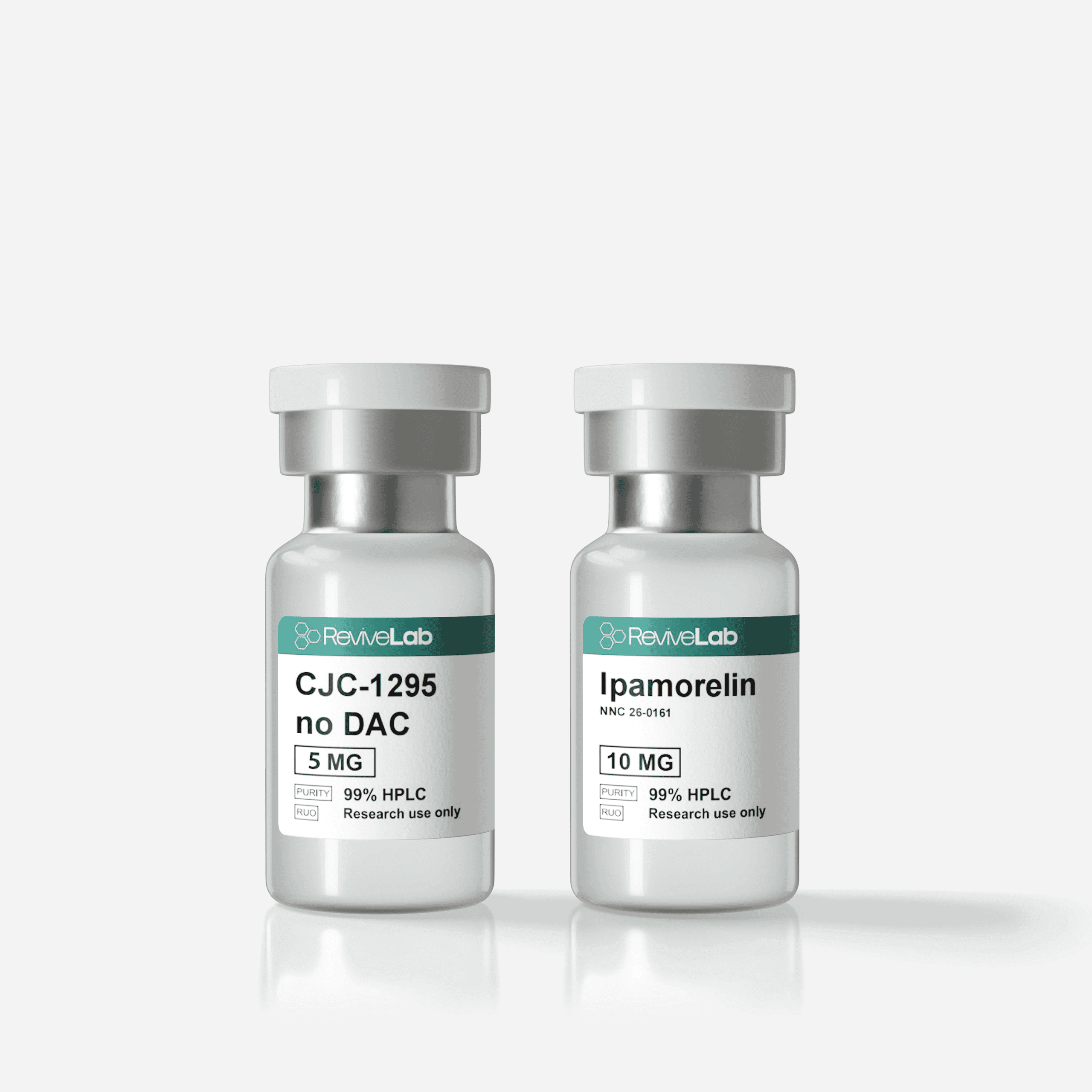
CJC-1295 no DAC + Ipamorelin
Original price was: $449.94.$427.44Current price is: $427.44.
Add to cart
Sale!
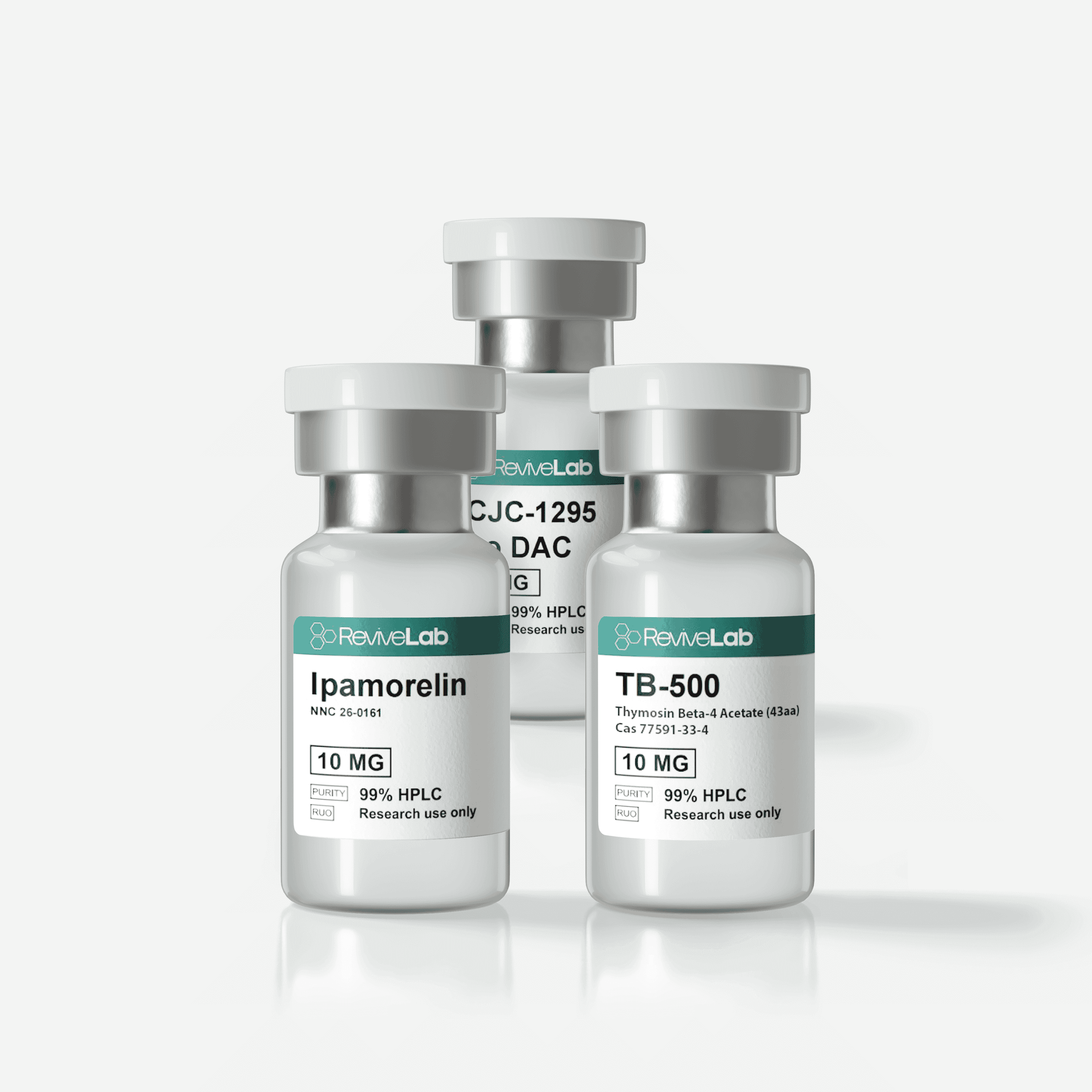
CJC-1295 no DAC + Ipamorelin + TB-500
Original price was: $769.90.$731.40Current price is: $731.40.
Add to cart
Sale!
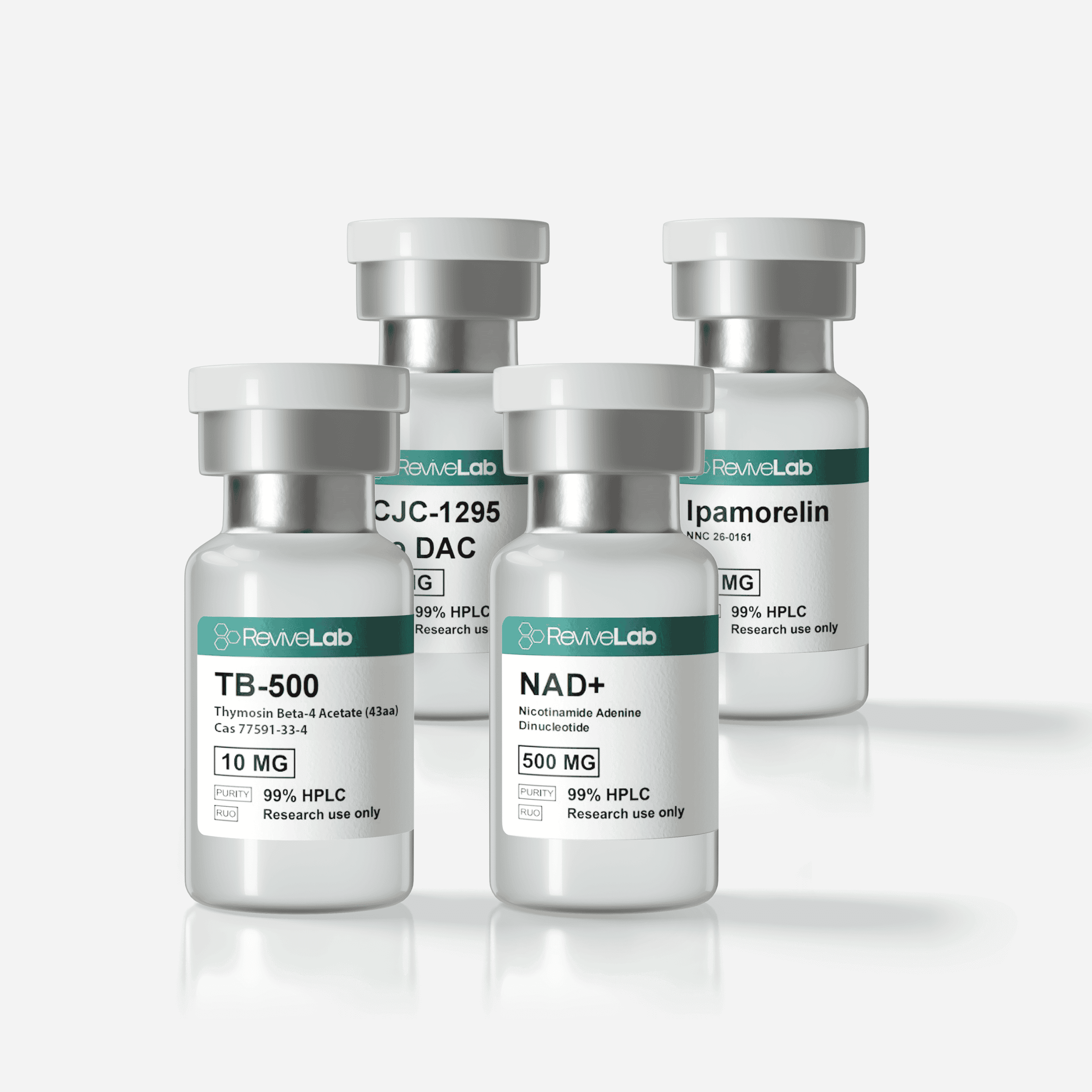
CJC-1295 no DAC + Ipamorelin + TB-500 + NAD⁺
Original price was: $989.88.$940.38Current price is: $940.38.
Add to cart
Sale!
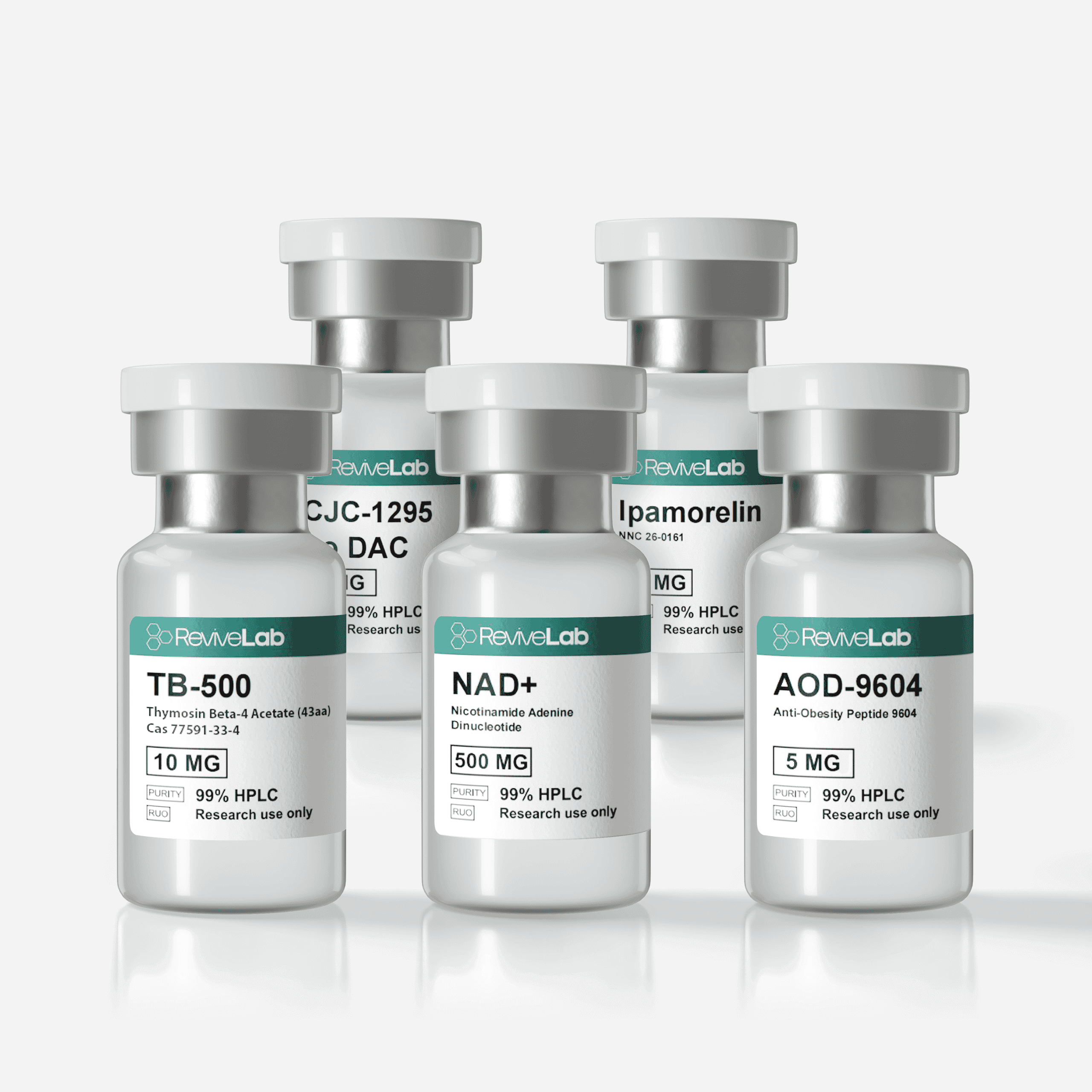
CJC-1295 no DAC + Ipamorelin + TB-500 + NAD⁺ + AOD-9604
Original price was: $1,269.83.$1,206.33Current price is: $1,206.33.
Add to cart
Sale!
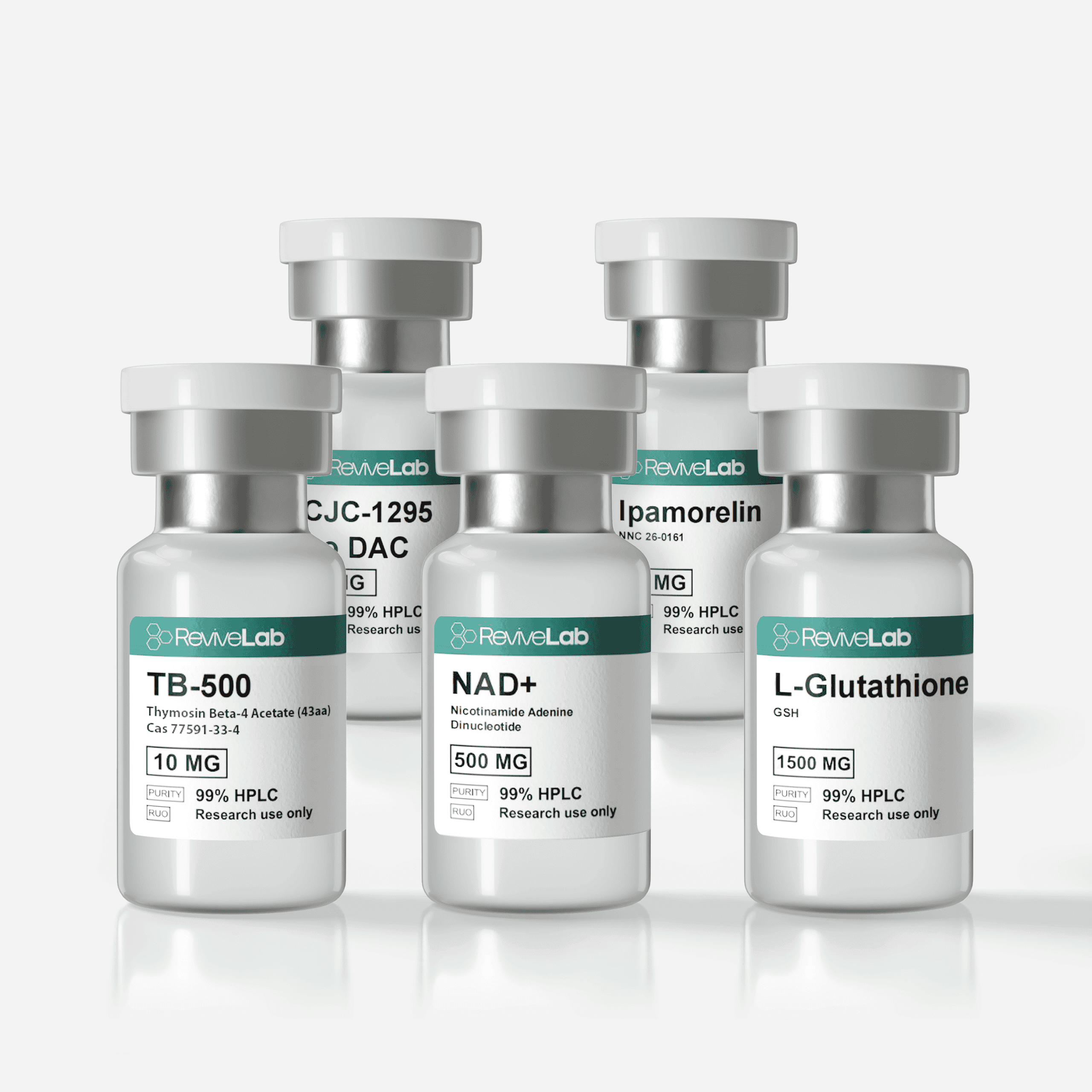
CJC-1295 no DAC + Ipamorelin + TB-500 + NAD⁺ + Glutathione
Original price was: $1,409.83.$1,339.33Current price is: $1,339.33.
Add to cart
Sale!
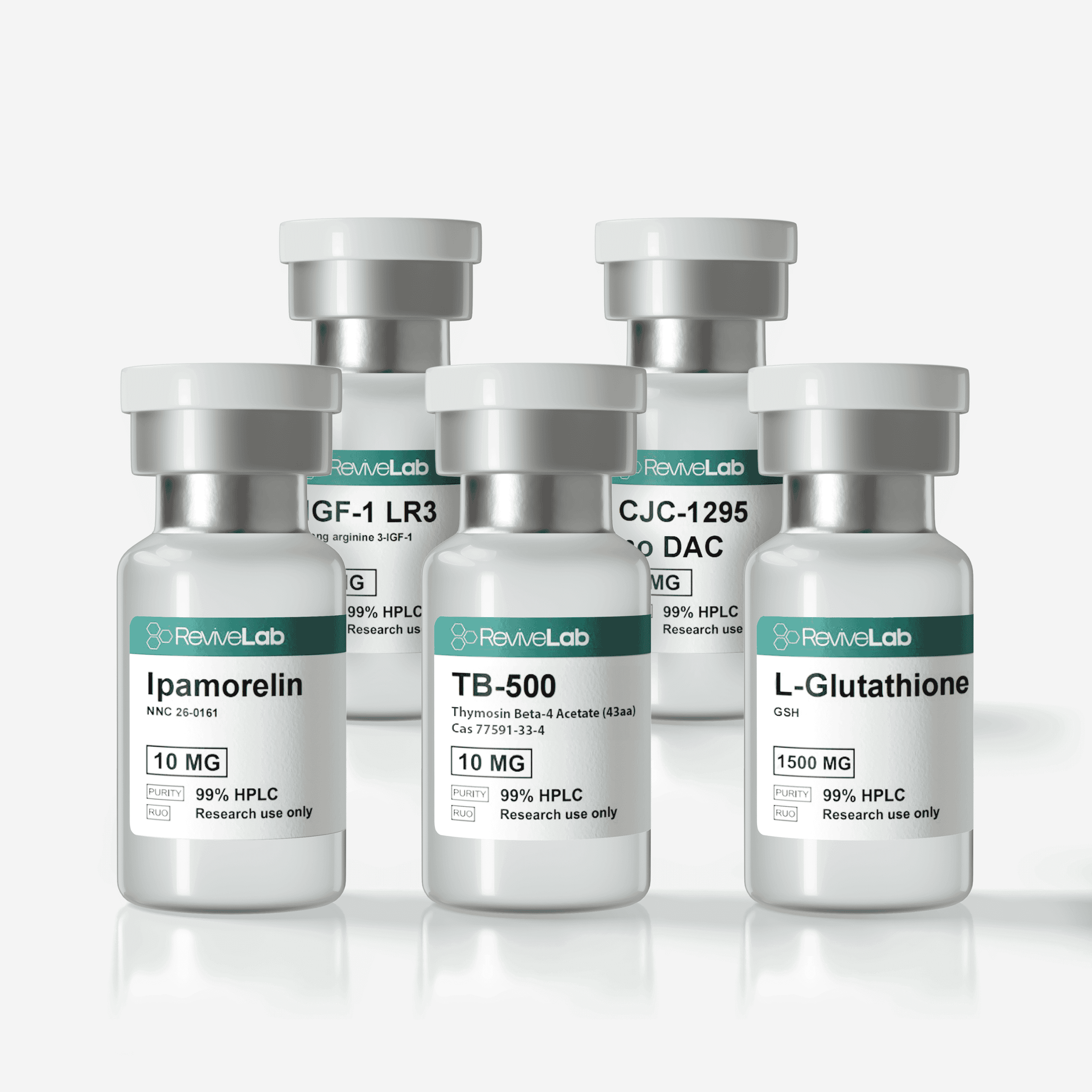
IGF-1 LR3 + CJC-1295 DAC + Ipamorelin + TB-500 + Glutathione
Original price was: $1,169.85.$1,111.35Current price is: $1,111.35.
Read more