Back to all products

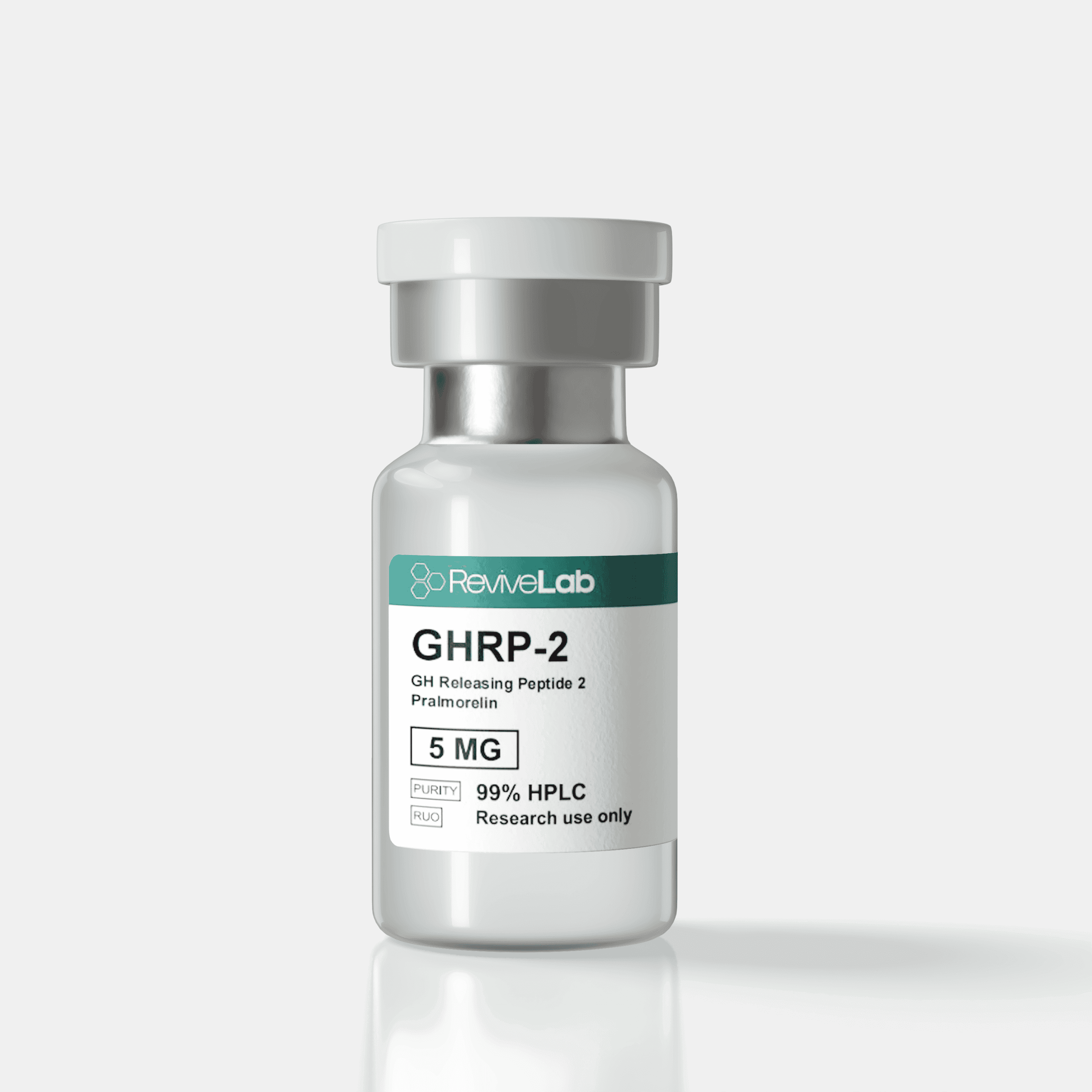
GHRP-2

GHRP-2 (Growth Hormone Releasing Peptide-2) is a synthetic hexapeptide that stimulates the body’s natural production of growth hormone (GH) by binding to the ghrelin receptor (GHS-R1a) in the hypothalamus and pituitary. It mimics the hunger hormone ghrelin, triggering a potent, pulsatile release of GH and downstream IGF-1. In research settings, GHRP-2 is studied for its effects on muscle growth, fat metabolism, appetite stimulation, tissue repair, and neuroendocrine function. It’s often combined with other peptides (like GHRH or CJC-1295) to enhance GH output and is valued for its high efficacy and short onset of action in both animal and in vitro models.

$39.99

Only 10 left in stock

-
+
GHRP-2 Summary

Growth Hormone Release & IGF-1 Stimulation

  •  Potently stimulates pulsatile GH release via activation of GHS-R1a (ghrelin receptor).
    • Synergizes with endogenous GHRH to amplify pituitary GH secretion.
    • Enhances hepatic IGF-1 production through natural GH–IGF-1 axis activation.
    • Preserves pituitary responsiveness to GH stimuli during chronic exposure.

Muscle Growth & Anabolism

  •  Promotes lean mass gains by increasing protein synthesis through GH/IGF-1.
    • Reduces muscle wasting under catabolic conditions (e.g. corticosteroid exposure).
    • Improves nitrogen balance and supports recovery from muscular stress or injury.
    • Upregulates anabolic signaling pathways (PI3K/Akt/mTOR) in skeletal muscle tissue.

Bone Formation & Skeletal Health

  •  Stimulates longitudinal bone growth via GH-mediated chondrogenesis.
    • Restores bone formation suppressed by glucocorticoid treatment in animal models.
    • Enhances periosteal bone growth without increasing osteoclast-driven resorption.
    • Supports collagen synthesis and mineral deposition in preclinical osteopenia models.

Fat Metabolism & Body Composition

  •  Induces lipolysis and increases free fatty acid release through GH pulses.
    • Improves lean-to-fat ratio and reduces adiposity in rodent and livestock models.
    • Shifts energy utilization toward fat oxidation in GH-deficient states.
    • May reduce visceral fat when administered with intact GH–GHRH feedback loops.

Appetite Stimulation & Ghrelin Activity

  •  Increases hunger and food intake via hypothalamic NPY/AgRP neuron activation.
    • Mimics endogenous ghrelin action at central and peripheral ghrelin receptors.
    • Promotes meal initiation and enhances overall caloric intake in preclinical models.
    • Useful for cachexia and anorexia research involving appetite restoration.

Gastrointestinal Motility

  •  Accelerates gastric emptying and bowel function post-surgery in ileus models.
    • Stimulates enteric cholinergic pathways to restore GI smooth muscle activity.
    • Improves nutrient transit and may reduce postoperative complications.
    • Potential research tool in functional gut disorders and motility pathologies.

Endocrine Modulation & Hormonal Crosstalk

  •  Does not stimulate prolactin, ACTH, TSH, LH, or FSH at effective GH-releasing doses.
    • Triggers transient cortisol and prolactin release only at supraphysiologic exposure.
    • Maintains endogenous endocrine feedback loops with minimal desensitization.
    • May alter stress hormone profiles depending on dose and administration route.

Glucose & Insulin Regulation

  •  GH-driven lipolysis may acutely reduce insulin sensitivity and elevate glucose.
    • Chronic administration can improve insulin action via IGF-1 elevation.
    • Suppresses pancreatic insulin release transiently in some preclinical studies.
    • Balance between GH and IGF-1 effects determines net glycemic impact.

Immune Function & Inflammation

  •  Reduces pro-inflammatory cytokine expression (IL-6, TNF-α, IL-1β) via ghrelin receptor action.
    • Inhibits NF-κB signaling in macrophages and endothelial cells.
    • Promotes thymic regeneration and T-cell production in aged animal models.
    • Improves immune resilience in septic and inflammatory disease states.
GHRP-2 Synergies & Additive Research Compounds

To maximize the effects of GHRP-2 in research settings, investigators often co-administer it with complementary agents that enhance growth hormone (GH) secretion, potentiate downstream anabolic effects, or counterbalance metabolic side effects. These synergies are particularly relevant in studies of muscle growth, metabolic enhancement, recovery, and immune modulation.

GHRP-2 Synergistic Compounds

Compound Mechanism of Synergy Relevant Research / Notes
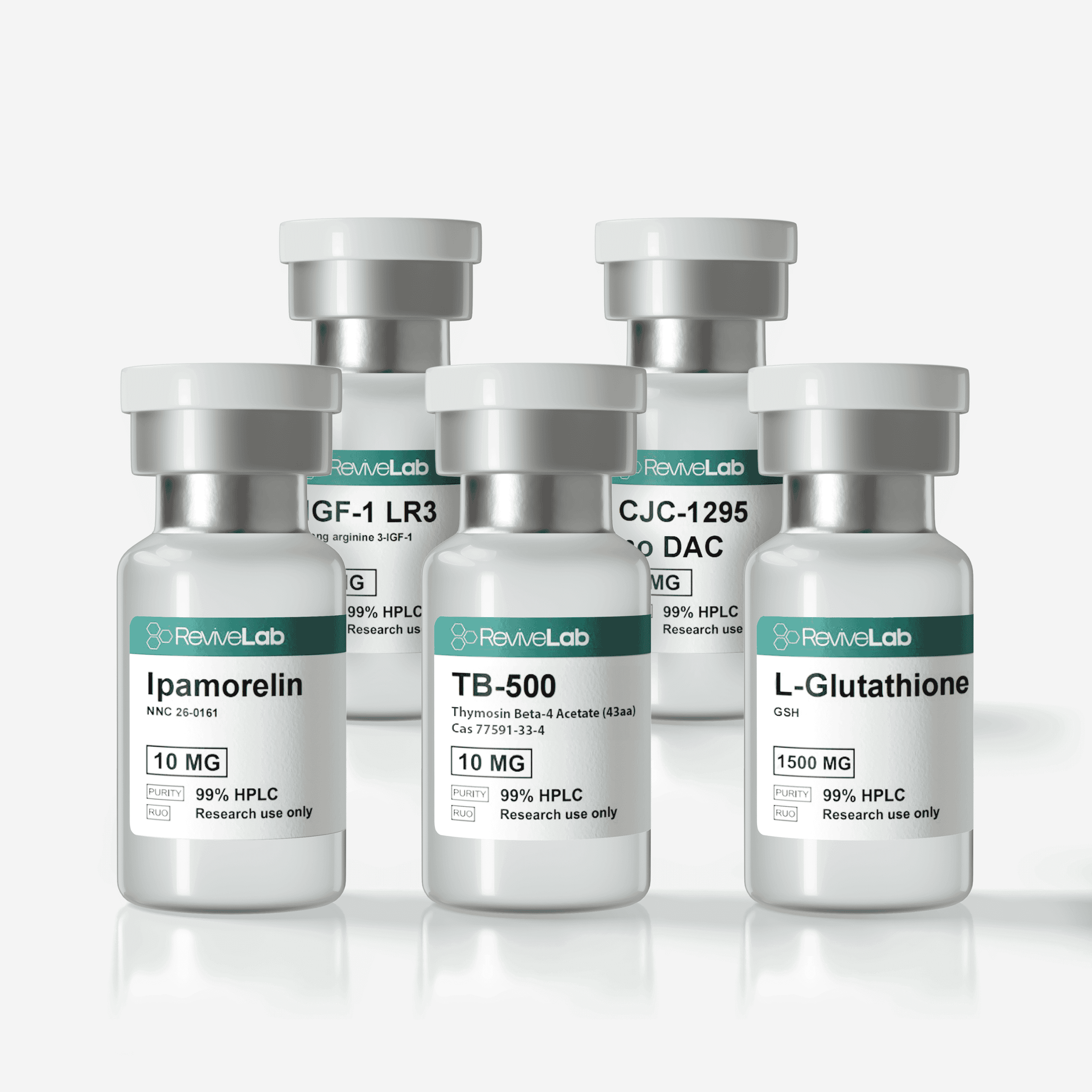
CJC-1295 (No DAC) GHRH analog that enhances GH pulse amplitude; pairing with GHRP-2 produces synergistic GH release via dual receptor activation. Widely studied GHRH + GHRP combination yielding higher GH and IGF-1 elevations than either alone, without desensitization
Ipamorelin Selective GHRP that triggers GH release with minimal prolactin or cortisol rise; balances GHRP-2’s stronger pituitary stimulation. Used together in advanced GH-axis research to modulate both strength and frequency of secretory pulses.
CJC-1295 (DAC) Long-acting GHRH analog providing sustained GH elevation; complements GHRP-2’s short-acting pulsatile bursts. Enables continuous baseline elevation with preserved pulse activity, mimicking physiological GH secretion patterns.
IGF-1 LR3 Downstream anabolic mediator of GH promoting muscle fiber hypertrophy and recovery. Combined in muscle-growth and repair models; GHRP-2 increases GH/IGF axis activation, while IGF-1 LR3 drives local tissue adaptation.
TB-500 (Thymosin Beta-4) Regenerative peptide improving cell migration and angiogenesis; supports recovery under GH-stimulated anabolic states. Used with GHRP-2 in injury-repair and musculoskeletal regeneration studies to accelerate recovery and reduce fibrosis.
BPC-157 Angiogenic and anti-inflammatory peptide that enhances GH-mediated tissue remodeling. Synergistic pairing for tendon, ligament, and gastrointestinal regeneration; improves healing efficiency under GH-elevated conditions
GHK-Cu Copper peptide enhancing collagen synthesis and cellular regeneration; benefits skin and connective tissues. Co-used with GH secretagogues in anti-aging and dermal repair research for improved elasticity and tissue quality.
NAD⁺ Central metabolic coenzyme supporting mitochondrial energy and GH-mediated anabolic metabolism. Boosts energy turnover and recovery in GH-enhanced experimental models
Glutathione Antioxidant tripeptide reducing oxidative stress during rapid cellular proliferation. Supports cellular protection and recovery in GH-stimulated regenerative studies.
Thymosin Alpha-1 Immune-modulating peptide that improves systemic recovery and inflammation control. Complements GH-axis stimulation by stabilizing immune responses and enhancing tissue resilience during repair.


Potential Research Use Cases for GHRP-2 Combinations

  • Growth Hormone & IGF-1 Axis Research:
    GHRP-2 + CJC-1295 (No DAC) / CJC-1295 (DAC) / Ipamorelin
  • Muscle Growth & Recovery:
    GHRP-2 + IGF-1 LR3 / TB-500 / BPC-157
  • Tissue Regeneration & Anti-Aging Studies:
    GHRP-2 + GHK-Cu / NAD⁺ / Glutathione
  • Metabolic & Fat-Loss Models:
    GHRP-2 + CJC-1295 (No DAC) / NAD⁺
  • Immune & Recovery Support:
    GHRP-2 + Thymosin Alpha-1 / BPC-157
GHRP-2 Research

Below is a breakdown of major research-backed effects by physiological system, showcasing the peptide’s broad experimental utility:

Cellular GH Release & IGF-1 Stimulation

GHRP2 binds to the GHSR1a and promotes GH secretion through both hypothalamic and direct pituitary mechanisms (Ref. 3). Its activity is enhanced when co-administered with GHRH, indicating synergistic interplay between these pathways (Ref. 4). In the presence of endogenous GHRH, GHRP-2 dramatically increases GH output, whereas its efficacy is blunted in GHRH-deficient models (Ref. 5). Human trials confirm that GHRP-2 induces acute GH pulses that can exceed normal physiologic levels; for example, infusions producing up to ~14-fold increases in GH area-under-curve relative to placebo (Ref. 1). Prolonged or continuous exposure to GHRP-2 elevates circulating IGF1, reflecting cumulative GH activity — in older adults with low GH, GHRP-2 administration has been shown to restore serum IGF-1 levels and sustain them throughout multi-week treatment (Ref. 2). However, in healthy young subjects, brief exposure may lead to GH desensitization without notable IGF-1 changes (Ref. 6).

Muscle Growth, Lean Mass, and Recovery

Through activation of the GH/IGF-1 axis, GHRP-2 exerts pronounced anabolic effects. In animal studies, such as those involving growth-retarded yaks, GHRP-2 enhanced weight gain, increased myofiber diameter, and up-regulated muscle growth pathways including PI3K/Akt/mTOR and IGF-1 receptor expression (Ref. 7). These findings demonstrate improved protein deposition and muscle hypertrophy. Long-term human studies (including intranasal administration over 12 months) have suggested increases in lean body mass and improvements in muscle strength, accompanied by reduced fatigue — consistent with GH’s known effects in catabolic states (Ref. 8). While direct evidence in humans is limited, the preclinical data supports the hypothesis that GHRP-2 promotes tissue repair and protein synthesis, making it relevant for studies on sarcopenia, injury recovery, or muscle wasting.

Lipolysis, Fat Loss, and Body Composition

GH is a well-established lipolytic hormone that stimulates triglyceride breakdown and mobilises free fatty acids (FFA) from adipose tissue. By elevating GH levels, GHRP-2 reproduces this metabolic shift. In both rodents and livestock, long-term GHRP-2 exposure reduces fat mass and improves lean mass ratios by enhancing metabolic rate and fat oxidation (Ref. 7). Increased FFAs in human studies confirm GHRP-2’s acute lipolytic effect (Ref. 1). However, in GHRH-deficient animal models, GHRP-2 may paradoxically promote fat accumulation due to its ghrelin-mimetic appetite-enhancing action, reinforcing the need for an intact GH–IGF axis to support favourable body composition changes (Ref. 4).

Appetite Regulation via Ghrelin Pathways

GHRP-2 was the first GH secretagogue shown to increase food intake in humans, acting through the GHS-R1a in the hypothalamic arcuate nucleus. It stimulates potent orexigenic signals via neuropeptide Y (NPY) and AgRP neurons, resulting in significantly increased caloric intake (Ref. 9). In controlled studies, GHRP-2 infusions led to ~36 % higher food consumption post-administration compared to placebo, without altering macronutrient preferences (Ref. 9). This hunger-promoting effect makes GHRP-2 useful in cachexia research, where boosting appetite and caloric intake are desired outcomes.

Sleep, Neuroendocrine Regulation, and Hormonal Crosstalk

Despite GH being linked to deep sleep (slow-wave sleep), GHRP-2 does not improve sleep architecture in young adults. In clinical trials, nighttime administration of GHRP-2 elevated GH and prolactin but had no effect on sleep stages, in contrast to GHRH which enhances slow-wave sleep (Ref. 10). Additionally, GHRP-2 triggers ACTH and cortisol release, mimicking the stress hormone response — as well as transient prolactin elevation. These hormone changes, while secondary, provide insights into the peptide’s broader neuroendocrine footprint (Ref. 1).

Inflammation and Immune Modulation

GHRP-2 exhibits immunomodulatory activity beyond its endocrine functions. Ghrelin and GHRP-2 both bind to GHS-R expressed on immune cells, suppressing pro-inflammatory cytokines like IL-6, IL-1β, and TNF-α (Ref. 11). This anti-inflammatory effect has been observed in vitro and in vivo, including in models of arthritis where GHRP-2 administration reduced joint inflammation and disease severity (Ref. 11). The peptide may also inhibit NF-κB signalling and support thymic regeneration, suggesting potential roles in enhancing immune competence during aging or systemic stress (Ref. 11).

Glucose Metabolism and Insulin Sensitivity

Acute GHRP-2 dosing can temporarily impair insulin sensitivity, as GH antagonises insulin by increasing lipolysis and hepatic glucose output (Ref. 1). Additionally, GHS-R activation may directly reduce pancreatic insulin secretion (Ref. 12). However, long-term GHRP-2 exposure, via elevated IGF-1, may enhance insulin sensitivity. IGF-1 mimics insulin’s action in promoting glucose uptake and is associated with improved glycaemic control in chronic models (Ref. 13). In some protocols, GHRP-2 has been combined with metabolic modifiers like acipimox to reduce FFAs and optimise the balance between GH and insulin sensitivity (Ref. 1).

GHRP-2 Research References
Ref. No. Study / Source Focus / Key Findings Link
1 Arvat E. et al. (1997). Stimulatory effects of GHRP-2 on GH and ACTH/cortisol secretion in humans. Demonstrated potent GH, ACTH, and cortisol release in human trials via hypothalamic mechanisms. PubMed
2 Bowers C.Y. et al. (1999). Ghrelin and GHRP-2 promote GH release and orexigenic signaling. Showed dual GH-releasing and appetite-enhancing effects across animal and human studies. ScienceDirect
3 Smith R.G. et al. (1997). Growth hormone secretagogues and receptor GHS-R1a. Defined GHRP-2’s binding to GHS-R1a and GH-releasing mechanism in pituitary/hypothalamus. PubMed
4 Veldhuis J.D. et al. (2001). GH/IGF-1 response to GHRP-2 and GHRH in older adults. Chronic GHRP-2 raised IGF-1 levels in GH-deficient elderly, showing sustained anabolic effect. PubMed
5 Hu R. et al. (2016). Effects of GHRP-2 on growth and metabolism in yaks. Found that GHRP-2 enhanced weight gain, muscle fiber size, and PI3K/Akt/mTOR signaling in livestock. PLOS One
6 Laferrère B., Abraham C., Russell C.D., Bowers C.Y. (2005). Growth Hormone Releasing Peptide-2 (GHRP-2), like ghrelin, increases food intake in healthy men. Demonstrated ~36% higher ad libitum caloric intake during acute GHRP-2 infusion with no change in macronutrient preference. PMC
7 Laferrère B., Hart A., Bowers C.Y. (2006). Obese subjects respond to the stimulatory effect of the ghrelin agonist growth hormone–releasing peptide-2 (GHRP-2) on food intake. Confirms reproducible, dose-dependent increases in ad libitum food intake with GHRP-2 in obese and lean subjects; GH rose dose-dependently. PubMed
8 Gondo R.G. et al. (2001). GHRP-2 response in GHRH-receptor–mutant GH-deficient patients. Showed blunted GH response in GHRH-deficient models, confirming dependence on intact GHRH pathways. PubMed
9 Granado M. et al. (2005). GHRP-2 reduces inflammatory cytokines and joint damage in arthritis models. Demonstrated anti-inflammatory, NF-κB-inhibiting, and tissue-protective effects of GHRP-2 in vivo. PubMed
10 Nijland E.A. et al. (1998). Repeated GHRP-2 dosing desensitizes GH secretion without raising IGF-1. Found diminished GH responsiveness after daily dosing in young men. PubMed
11 Nielsen S., Møller N., et al. (2001). Pharmacological antilipolysis restores insulin sensitivity during growth hormone exposure in humans. Demonstrates that GH-induced insulin resistance is causally linked to lipolysis; blocking FFA release restores insulin sensitivity during GH exposure. PubMed
12 Van Dam P.S. et al. (2000). Reduction of free fatty acids by acipimox enhances the growth hormone (GH) responses to GH-releasing peptide-2 in elderly men. Direct human trial showing FFA suppression with acipimox markedly augments GH response to GHRP-2 (and to GHRH). PubMed
13 Frieboes R.M. et al. (1995). Growth hormone-releasing peptide-6 stimulates sleep but does not enhance slow-wave sleep in healthy men. Shows no SWS improvement under a GHRP, aligning with your note that GHRP-2 does not improve sleep architecture in young adults. PubMed

Stack With