 5-Amino-1MQ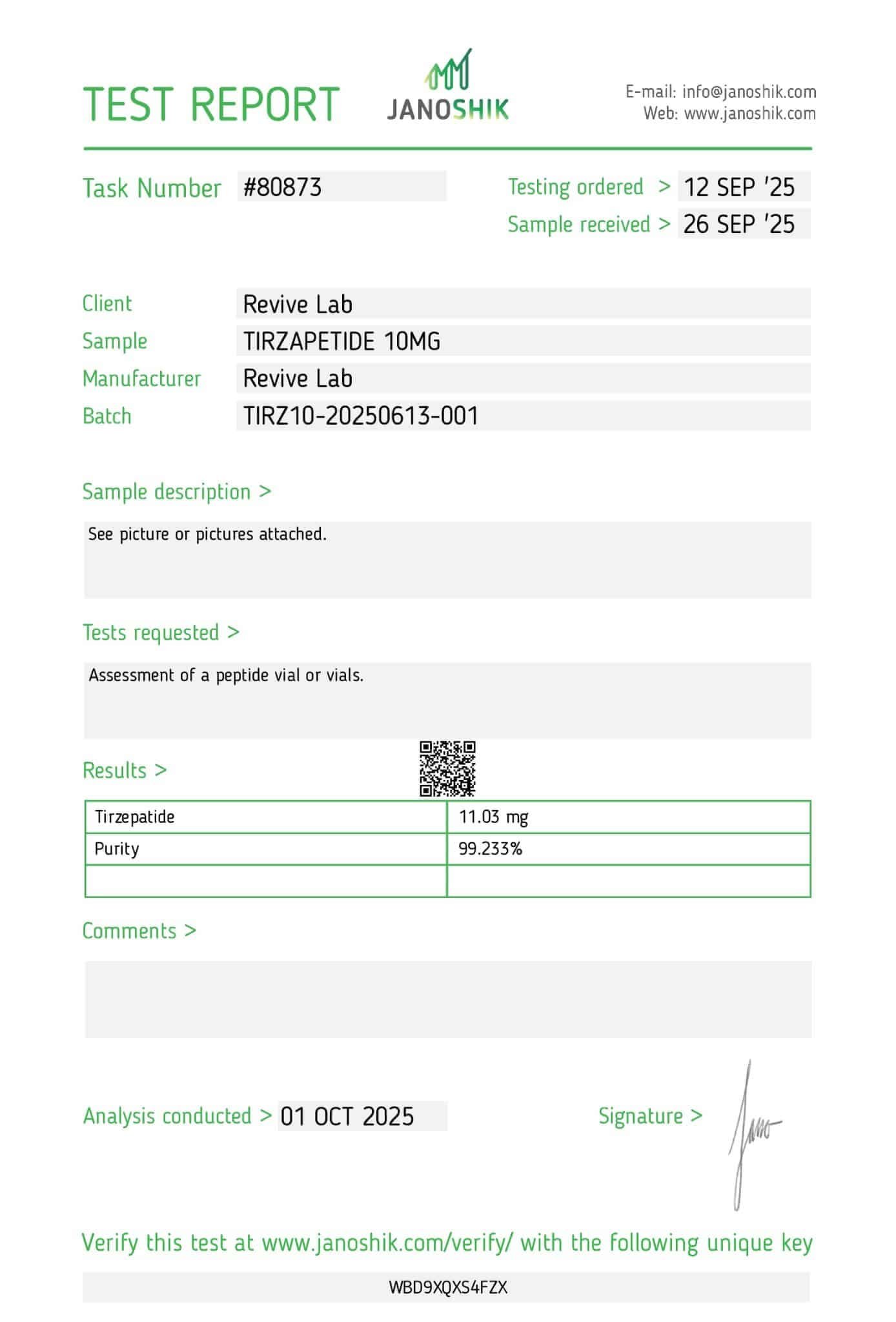
Back to all products
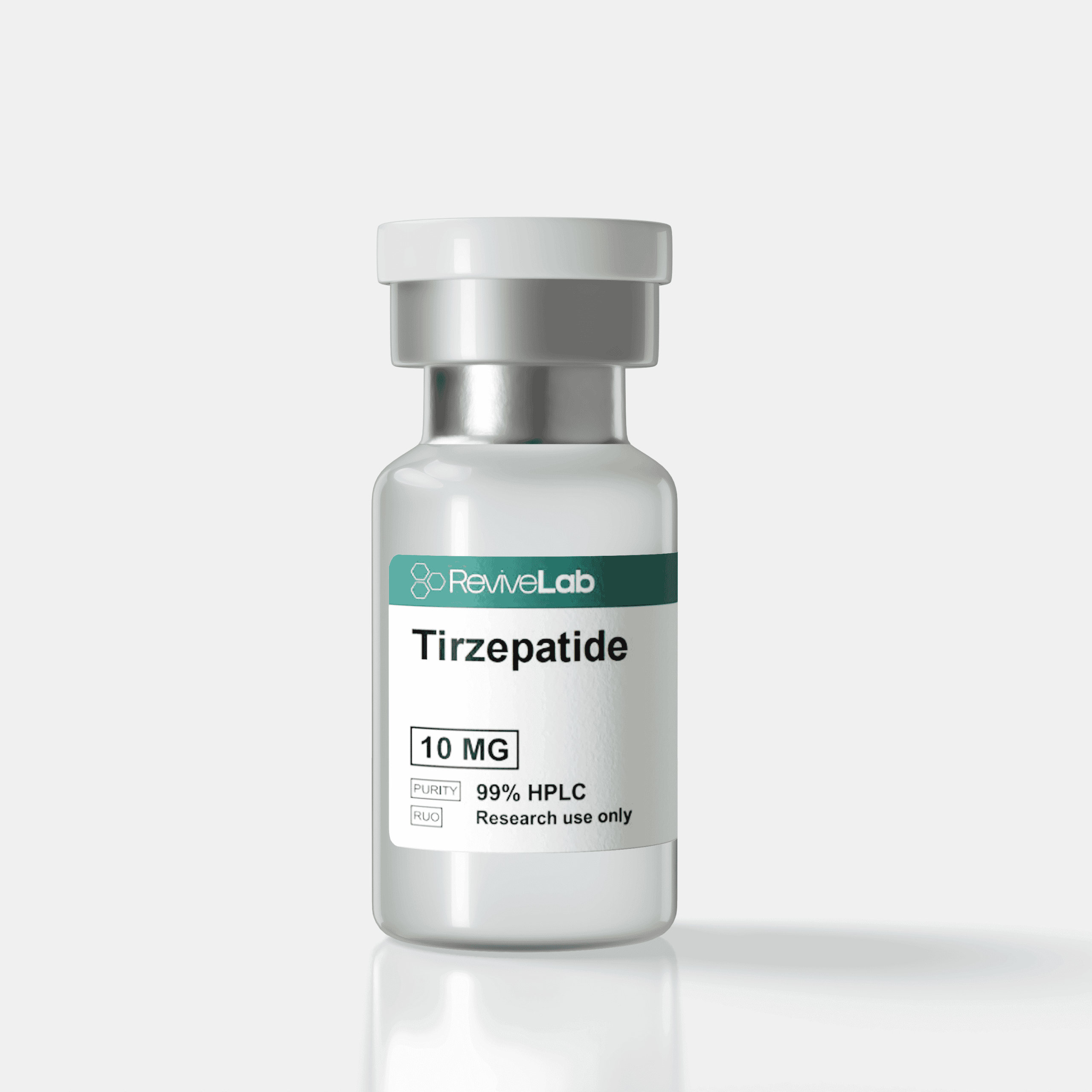
Tirzepatide
Tirzepatide is an advanced GLP-1/GIP agonist research peptide studied for its powerful dual-incretin activity and its role in metabolic regulation, glucose control, and appetite signaling. As a multi-pathway compound, this Tirzepatide research peptide is frequently used in experimental settings investigating energy balance, insulin sensitivity, and metabolic peptide mechanisms.
Produced to high purity standards, Tirzepatide offers reliable performance for controlled laboratory studies. Researchers looking to Buy Tirzepatide Canada can depend on ReviveLab for consistent, lab-grade formulations designed strictly for scientific research.
$89.99
In stock
Disclaimer: This compound is not intended for human or veterinary use. Tirzepatide is sold strictly for laboratory research purposes only. Any mention of effects is provided for educational information and relates solely to preclinical or experimental studies and does not imply efficacy in humans.
COA
Tirzepatide Summary
Body Weight & Fat Mass Reduction
- Activates GLP-1 and GIP receptors to promote significant fat loss, with up to 21% body weight reduction over 72 weeks.
- Suppresses appetite and food intake through enhanced satiety signaling and delayed gastric emptying.
- Shifts body composition by targeting visceral and subcutaneous fat, reducing central adiposity.
- Preserves lean mass; approximately 75% of weight lost is from fat mass, minimizing muscle depletion.
Glycemic Control & Insulin Sensitivity
- Enhances glucose-dependent insulin secretion while suppressing glucagon, improving blood glucose regulation.
- Reduces HbA1c by up to 2.3% in clinical trials — superior to semaglutide and placebo.
- Restores insulin sensitivity by lowering HOMA-IR scores and reducing fasting insulin and C-peptide levels.
- Improves beta-cell function and may help preserve pancreatic insulin production capacity over time.
Appetite Regulation & Energy Intake
- Delays gastric emptying and increases postprandial satiety via GLP-1 receptor activation.
- GIP co-agonism contributes to enhanced central appetite suppression.
- Leads to spontaneous caloric restriction without conscious dietary changes.
- Reduces food cravings and enhances response to satiety cues during and between meals.
Liver Health & NAFLD/NASH Research
- Decreases liver fat content (MRI-PDFF) by 40–60% in patients with steatosis.
- Induces NASH resolution in up to 62% of patients (SYNERGY-NASH trial), without fibrosis worsening.
- Lowers ALT and AST levels and improves noninvasive fibrosis markers (e.g., FIB-4, Pro-C3, K-18).
- Reduces hepatic inflammation and lipotoxicity through weight loss and insulin sensitization.
Cardiovascular & Lipid Metabolism
- Reduces systolic and diastolic blood pressure by 4–6 mmHg in patients with obesity or diabetes.
- Lowers LDL cholesterol and triglycerides while increasing HDL cholesterol.
- Improves inflammatory markers (CRP, ICAM-1), enhancing endothelial function and vascular health.
- Meta-analyses show no increase in MACE events; future trials will confirm long-term CV outcomes.
Energy Metabolism & Fat Oxidation
- Promotes fat oxidation and thermogenesis by enhancing mitochondrial flexibility.
- Improves metabolic efficiency and fuel utilization across fasting and fed states.
- Supports negative energy balance through dual mechanisms: reduced intake and increased expenditure.
- Potential GIP-mediated enhancement of brown fat activity observed in preclinical models.
Inflammation & Adipokine Regulation
- Reduces systemic inflammation via lower levels of IL-6, TNF-α, CRP, and fibrinogen.
- Decreases leptin (associated with fat mass) and increases adiponectin, supporting insulin sensitivity.
- Improves adipose tissue remodeling, promoting healthier fat storage and reduced pro-inflammatory signaling.
- Restores endocrine balance in obese metabolic states.
Metabolic Flexibility & Hormonal Crosstalk
- Enhances the body’s ability to shift between fat and glucose fuel sources as needed.
- Improves postprandial insulin efficiency and reduces post-meal glucose spikes.
- Facilitates more responsive nutrient partitioning and metabolic homeostasis.
- Supports hormonal resilience across the gut–pancreas–brain axis through incretin synergy.
Safety & Tolerability (in Clinical Use)
- Generally well-tolerated; most common side effects are mild to moderate nausea, diarrhea, or vomiting.
- Gastrointestinal side effects are dose-dependent and typically subside after titration.
- Low risk of hypoglycemia due to glucose-dependent insulinotropic effects.
- No observed increase in thyroid cancer, pancreatitis, or cardiovascular complications in published trials.
Tirzepatide Synergies & Additive Research Compounds
To maximize the research utility of Tirzepatide, scientists often explore its use alongside compounds that support mitochondrial energy, fat oxidation, glycemic control, or organ protection. These synergistic combinations are widely investigated in models of obesity, type 2 diabetes, NAFLD/NASH, metabolic syndrome, and cardiovascular risk reduction.
Below is a summary of Tirzepatide’s most promising additive research combinations:
Tirzepatide Synergistic Compounds
| Compound | Mechanism of Synergy | Relevant Research / Notes |
|---|---|---|
| AOD-9604 | GH-fragment peptide that enhances lipolysis and inhibits adipogenesis. | Works additively with Tirzepatide’s glucagon-receptor activity to accelerate fat oxidation and improve body-composition parameters. |
| 5-Amino-1MQ | NNMT inhibitor that elevates intracellular NAD⁺ and activates AMPK/SIRT1. | Complements Tirzepatide’s glucose-lowering and mitochondrial-enhancing actions to further improve metabolic flexibility. |
| MOTS-c | Mitochondrial peptide that promotes AMPK activation and glucose uptake. | Enhances Tirzepatide’s insulin-sensitizing and endurance-boosting effects through mitochondrial biogenesis. |
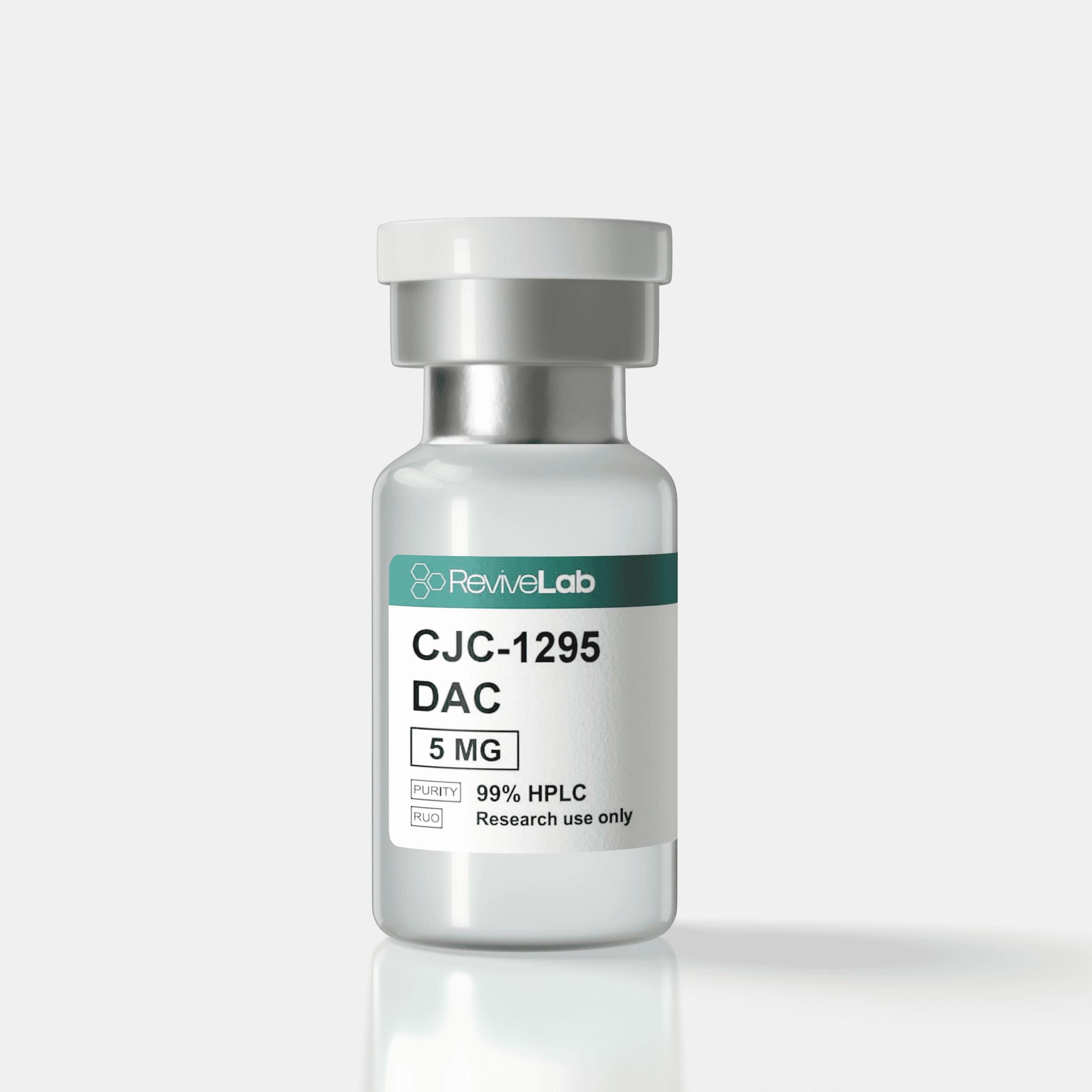
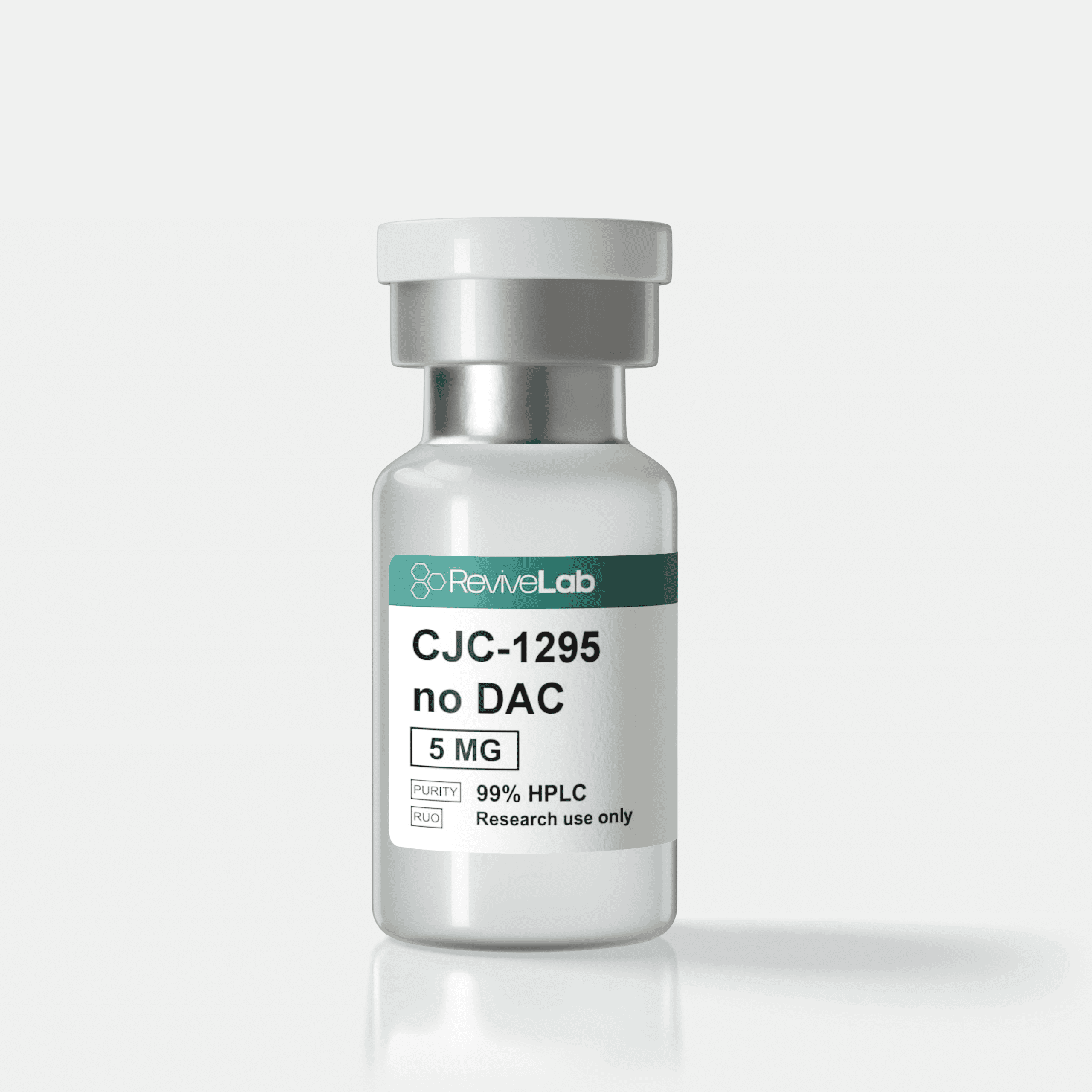
| CJC-1295 (No DAC) | GHRH analog that increases GH / IGF-1 axis signaling and lean-mass retention. | Balances Tirzepatide’s catabolic fat-loss effects with anabolic recovery for optimized body composition. |
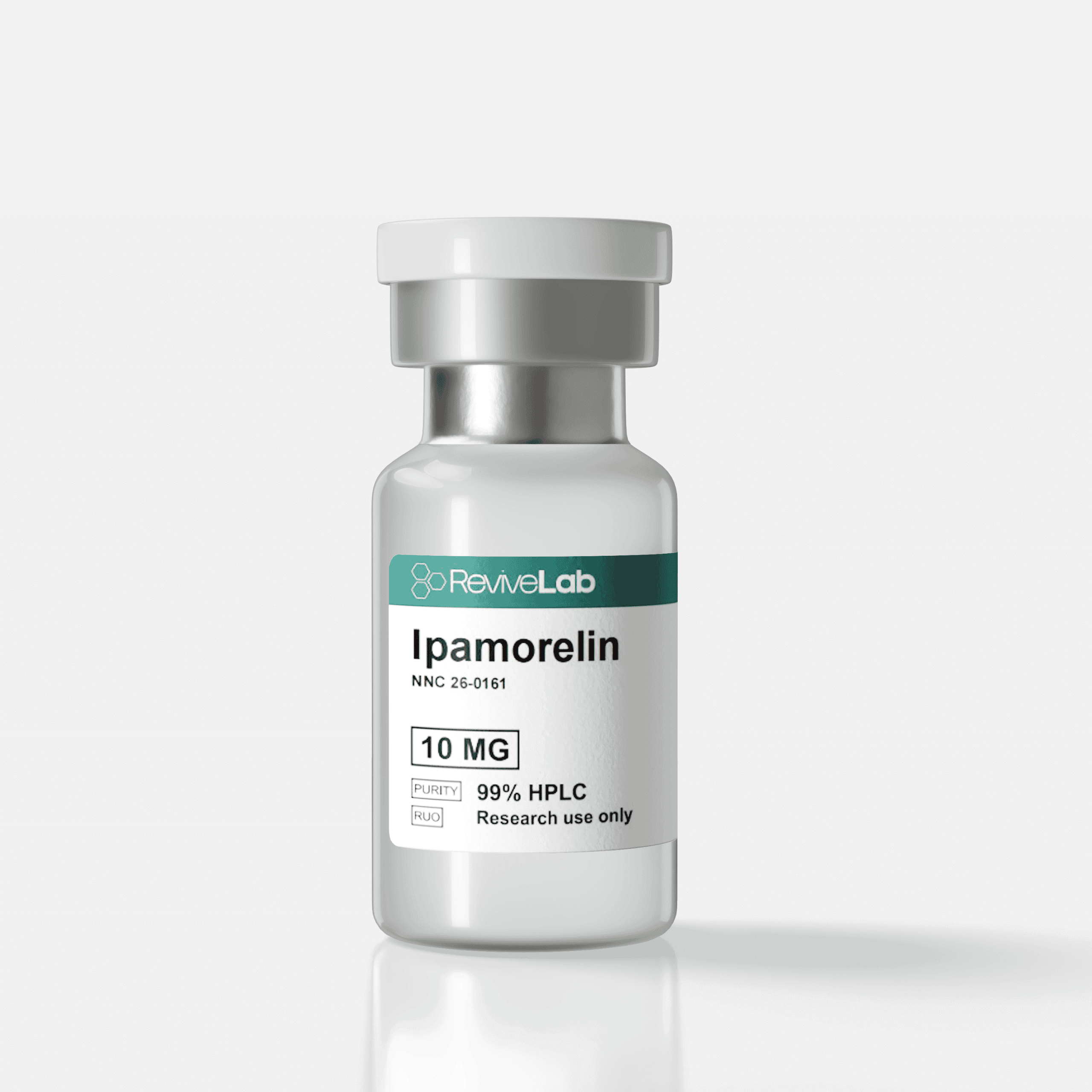
| Ipamorelin | Selective GH secretagogue that amplifies pulsatile GH release. | Reinforces anabolic tone and metabolic rate while complementing Tirzepatide’s incretin-driven lipolysis. |
| BPC-157 | Regenerative peptide that promotes angiogenesis, gut repair, and organ protection. | Protects gastrointestinal mucosa and hepatic tissue in incretin and metabolic research models. |
| TB-500 (Thymosin Beta-4) | Cytoprotective peptide enhancing vascular repair and anti-fibrotic remodeling. | Supports systemic regeneration and recovery during metabolic-stress experiments. |
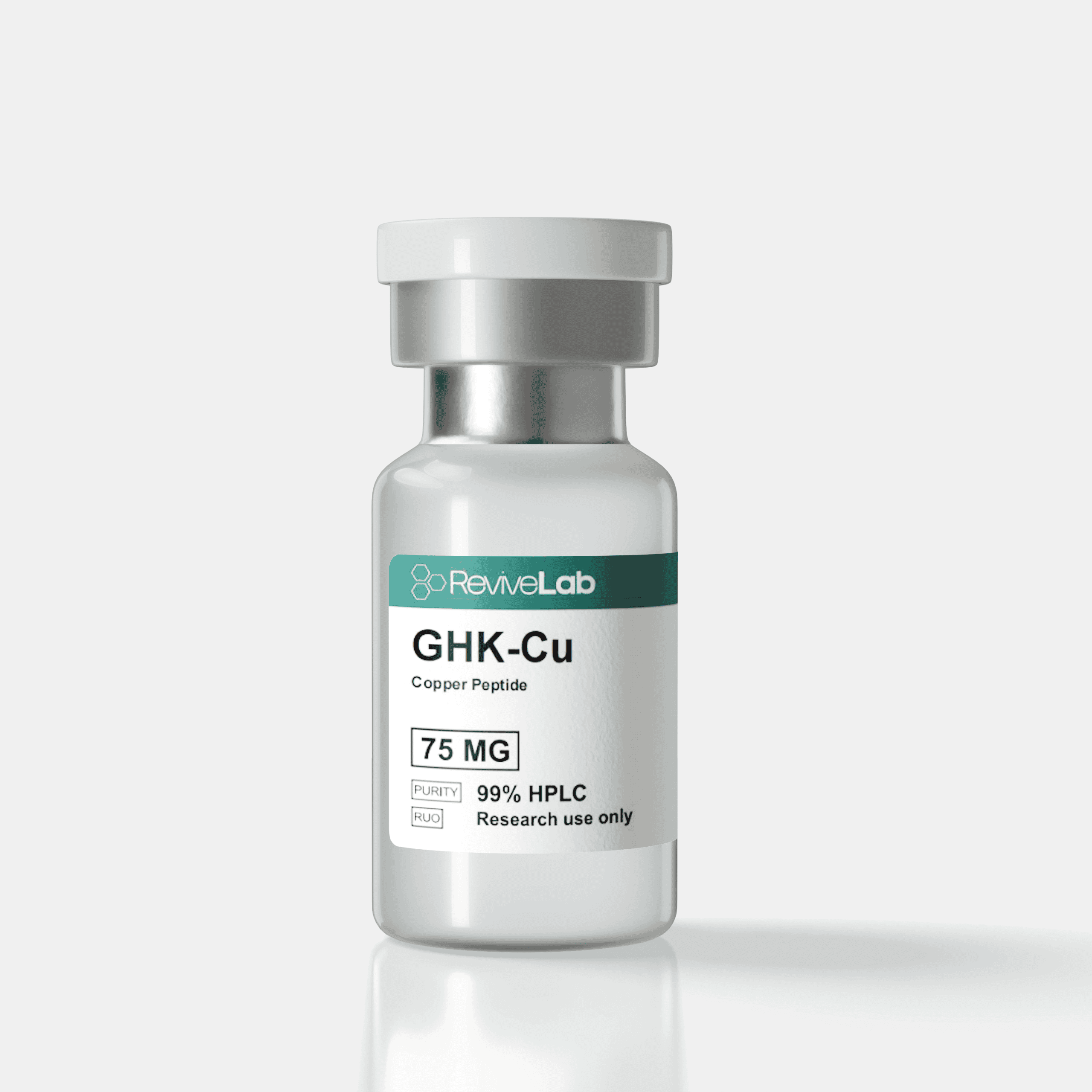
| GHK-Cu | Copper peptide stimulating antioxidant and collagen-synthesis pathways. | Synergizes with Tirzepatide in improving skin elasticity, vascular tone, and tissue remodeling post-fat reduction. |
| Glutathione (GSH) | Master antioxidant that maintains NAD⁺ / NADH balance and cellular detoxification. | Enhances Tirzepatide’s hepatic and mitochondrial protection under oxidative or metabolic load. |
| Thymosin Alpha-1 | Immune-modulating peptide that decreases inflammatory cytokines and improves insulin sensitivity. | Complements Tirzepatide’s systemic anti-inflammatory and metabolic effects in chronic disease models. |
Potential Research Use Cases for Tirzepatide Combinations
- Metabolic & Obesity Models:
Tirzepatide + AOD-9604 + 5-Amino-1MQ + MOTS-c
→ Synergistic activation of AMPK, enhanced fat oxidation, and improved glucose tolerance. - Anabolic Preservation & Body Composition:
Tirzepatide + CJC-1295 (No DAC) + Ipamorelin
→ Supports GH-mediated muscle retention and recovery during adipose-reduction research. - Organ & Tissue Protection:
Tirzepatide + BPC-157 + TB-500
→ Promotes vascular regeneration, hepatic protection, and anti-fibrotic recovery in metabolic stress models. - Oxidative & Mitochondrial Support:
Tirzepatide + Glutathione + GHK-Cu
→ Reinforces cellular antioxidant systems and collagen-matrix repair during prolonged metabolic interventions. - Inflammatory & Immune Regulation:
Tirzepatide + Thymosin Alpha-1 + MOTS-c
→ Combines immune stabilization, NAD⁺ preservation, and improved systemic metabolic control.
Tirzepatide Research
Tirzepatide Research
Tirzepatide – Dual Incretin Co-Agonist
Tirzepatide is a next-generation incretin-mimetic peptide that uniquely activates both GIP and GLP-1 receptors, producing a broad spectrum of metabolic effects that surpass traditional single-pathway agonists. By combining these two hormonal signaling pathways into a single molecule, tirzepatide enhances glucose-dependent insulin secretion, suppresses inappropriate glucagon release, and rebalances neural appetite networks governing hunger, satiety, and reward-driven feeding (Ref. 1–14). This dual incretin synergy produces robust improvements across multiple metabolic domains — including body weight regulation, glycemic control, adipocyte function, inflammatory signaling, and liver health — positioning tirzepatide as one of the most comprehensive metabolic research tools currently available.
Mechanistic Overview: Dual Incretin Synergy
Tirzepatide’s unique pharmacology stems from its ability to co-activate the GLP-1 and GIP receptors with high potency. GLP-1 receptor engagement enhances pancreatic insulin secretion when glucose levels are elevated, slows gastric emptying, reduces postprandial glucose spikes, and lowers glucagon during hyperglycemia (Ref. 1). Meanwhile, GIP receptor activation amplifies insulinotropic effects, improves β-cell responsiveness, and enhances nutrient-driven insulin release, particularly under conditions of caloric or metabolic stress. When activated together, these pathways produce a harmonized endocrine response that exceeds the metabolic impact of GLP-1 agonism alone.
Beyond pancreatic effects, tirzepatide influences gut–brain signaling pathways that control appetite and feeding behavior. By acting on hypothalamic satiety centers, hindbrain metabolic nuclei, and vagal signaling pathways, tirzepatide reduces food reward sensitivity, enhances satiety after meals, and slows gastric motility — all of which contribute to sustained reductions in daily caloric intake (Ref. 1, Ref. 3). This integration of hormonal and neural effects forms the mechanistic foundation for tirzepatide’s profound weight-modulating properties.
Metabolic and Body Composition Outcomes
Tirzepatide’s impact on body weight has been among the most noteworthy findings in metabolic research. In the SURMOUNT-1 trial, once-weekly tirzepatide produced approximately 15–21% total body weight reduction over 72 weeks, exceeding both placebo and leading GLP-1 monotherapies by a wide margin (Ref. 3). At the highest dose, more than half of participants achieved ≥20% weight reduction, approaching the magnitude typically seen with metabolic surgery. This degree of weight loss, achieved pharmacologically, represents a major shift in the therapeutic landscape and underscores the power of dual incretin activation.
Equally important is the quality of the weight loss. Advanced DEXA analysis demonstrates that nearly 75% of weight lost on tirzepatide comes from fat mass, with only modest reductions in lean tissue (Ref. 8). Visceral adipose tissue — the fat depot most strongly linked to cardiovascular and metabolic disease — declines substantially, resulting in improved waist circumference, reduced central adiposity, and a healthier overall body composition profile. Studies also suggest that tirzepatide improves adipocyte insulin sensitivity, reduces lipotoxicity, and enhances metabolic flexibility by facilitating efficient switching between carbohydrate and lipid utilization (Ref. 14). These effects indicate that tirzepatide not only reduces fat mass but also improves the functional health of adipose tissue itself.
Glycemic Control and Insulin Sensitivity
Tirzepatide produces robust and consistent improvements in glycemic regulation across multiple populations. In head-to-head trials, tirzepatide lowered HbA1c by approximately 2.0–2.3 percentage points, surpassing semaglutide and other leading GLP-1 agents (Ref. 2). A substantial proportion of subjects achieved HbA1c levels below 5.7%, effectively reaching normoglycemic ranges rarely seen outside of remission-focused interventions (Ref. 4). These improvements reflect tirzepatide’s ability to enhance both fasting and postprandial glycemic stability.
Beyond glucose reduction, tirzepatide improves the biological mechanisms underlying insulin resistance. Research shows significant reductions in HOMA-IR values (approximately 20–33%), indicating improved peripheral insulin sensitivity (Ref. 5). Simultaneously, β-cell functional indices such as HOMA-β increase markedly, suggesting enhanced pancreatic responsiveness, reduced glucolipotoxic stress, and improved insulin secretory capacity. Tirzepatide also improves metabolic flexibility, reducing fasting triglycerides, enhancing lipid oxidation, and improving postprandial insulin efficiency — key markers of restored metabolic homeostasis (Ref. 14).
Cardiometabolic and Inflammatory Effects
Tirzepatide’s influence extends meaningfully into cardiometabolic physiology. Across trials, tirzepatide consistently reduced systolic blood pressure by approximately 4–6 mmHg and improved lipid profiles, including reductions in LDL cholesterol, total cholesterol, and triglycerides, alongside modest increases in HDL (Ref. 6, Ref. 7). These improvements appear to be mediated by both weight-dependent and weight-independent mechanisms, reflecting systemic metabolic enhancements rather than isolated glycemic changes.
Parallel reductions in inflammatory biomarkers further support tirzepatide’s role as a broad metabolic regulator. Studies show decreases in CRP, YKL-40, ICAM-1, and other markers of endothelial stress and low-grade inflammation (Ref. 7). These improvements likely arise from healthier adipocyte signaling, reduced hepatic lipotoxicity, and improved metabolic substrate handling. A pre-specified meta-analysis of SURPASS trials indicates no increase in major adverse cardiovascular events (MACE), and early signals suggest potential long-term cardioprotective effects (Ref. 9).
Liver Health and NASH Research
One of the most compelling areas of tirzepatide research has emerged in the field of metabolic liver disease. In the SYNERGY-NASH trial, tirzepatide induced NASH/MASH resolution in approximately 44–62% of participants without worsening fibrosis — a striking contrast to the ~10% resolution rate observed with placebo (Ref. 10). These histological improvements, which include reductions in hepatic steatosis, inflammation, and ballooning injury, position tirzepatide among the most promising interventions under investigation for metabolic liver disease.
Fibrosis outcomes demonstrate similarly meaningful improvements. Approximately half of participants achieved a one-stage reduction in fibrosis severity, supported by reductions in ALT, AST, and hepatic fat fraction on imaging (Ref. 11). Mechanistically, these effects appear to result from tirzepatide’s capacity to reduce hepatic lipid burden, improve insulin signaling, and attenuate inflammatory pathways affecting hepatocytes and stellate cells. This combination of metabolic and histological improvement underscores tirzepatide’s relevance beyond glycemic control into broader hepatic research domains.
Systemic Metabolic Modulation
Tirzepatide affects multiple metabolic systems beyond traditional glucose and weight endpoints. Studies highlight reductions in pro-inflammatory cytokines such as IL-6, improvements in fibrinogen levels, and healthier adipocyte hormone signaling profiles — including more stable leptin and adiponectin dynamics (Ref. 7, Ref. 14). Enhanced nutrient partitioning, improved substrate oxidation, and reductions in oxidative stress contribute to improved whole-body metabolic performance. Collectively, these systemic effects support tirzepatide’s application across research areas involving metabolic syndrome, chronic inflammation, energy dysregulation, and obesity-related endocrine dysfunction.
Tirzepatide Research References
| Ref. No. | Study / Source | Focus / Key Findings | Link |
|---|---|---|---|
| 1 | Coskun, T., et al. (2018). LY3298176, a novel dual GIP and GLP-1 receptor agonist for the treatment of type 2 diabetes mellitus: From discovery to clinical proof of concept. | Foundational preclinical + early clinical work on LY3298176 (tirzepatide precursor) showing dual GIP/GLP-1 receptor agonism, robust glucose-dependent insulin secretion, and meaningful weight/body-fat reduction. | PubMed |
| 2 | Frías, J.P., et al. (2021). Tirzepatide versus Semaglutide Once Weekly in Patients with Type 2 Diabetes (SURPASS-2). New England Journal of Medicine, 385(6): 503–515. | Head-to-head phase 3 trial vs semaglutide: tirzepatide achieved larger HbA1c reductions (~2.0–2.3%) and greater weight loss in T2D. | PubMed |
| 3 | Jastreboff, A.M., et al. (2022). Tirzepatide Once Weekly for the Treatment of Obesity (SURMOUNT-1). New England Journal of Medicine, 387(3): 205–216. | 72-week obesity trial (no diabetes) showing ~15–21% body-weight loss with tirzepatide and high rates of ≥5% and ≥20% weight reduction vs placebo. | PubMed |
| 4 | Rosenstock, J., et al. (2023). Achieving Normoglycemia With Tirzepatide: Analysis of SURPASS 1–4 Trials. Diabetes Care, 46(11): 1986–1992. | Post-hoc pooled analysis showing a large proportion of tirzepatide-treated participants achieved HbA1c <5.7% (normoglycemia) without increased hypoglycemia. | PubMed |
| 5 | Thomas, M.K., et al. (2021). Dual GIP and GLP-1 Receptor Agonist Tirzepatide Improves Beta-cell Function and Insulin Sensitivity in Type 2 Diabetes. Journal of Clinical Endocrinology & Metabolism, 106(2): 388–396. | Mechanistic study demonstrating significant improvements in HOMA-IR and HOMA-β with tirzepatide, indicating better insulin sensitivity and β-cell function. | PubMed |
| 6 | Heerspink, H.J.L., et al. (2022). Effects of Tirzepatide versus Insulin Glargine on Kidney Outcomes in Type 2 Diabetes in the SURPASS-4 Trial: Post-hoc Analysis of an Open-label, Randomised, Phase 3 Trial. Lancet Diabetes & Endocrinology, 10(11): 774–785. | High-CV-risk T2D: tirzepatide improved glycemic control, reduced body weight and systolic BP, and conferred kidney-protective effects vs insulin glargine. | PubMed |
| 7 | Wilson, J.M., et al. (2021). The dual glucose-dependent insulinotropic polypeptide and glucagon-like peptide-1 receptor agonist, tirzepatide, improves lipoprotein biomarkers associated with insulin resistance and cardiovascular risk in patients with type 2 diabetes. Diabetes, Obesity and Metabolism, 23(7): 1610–1620. | Post-hoc analysis showing tirzepatide dose-dependently improved atherogenic lipoprotein profile and biomarkers of insulin resistance and endothelial stress. | PubMed |
| 8 | Look, M., et al. (2025). Body composition changes during weight reduction with tirzepatide in the SURMOUNT-1 study of adults with obesity or overweight. Diabetes, Obesity and Metabolism, 27(5): 2720–2729. | DEXA substudy from SURMOUNT-1: tirzepatide reduced body weight by ~21%, with ~33.9% reduction in fat mass and ~10.9% reduction in lean mass, indicating ~75% of weight lost was fat. | PubMed |
| 9 | Sattar, N., et al. (2022). Tirzepatide Cardiovascular Event Risk Assessment: A Pre-specified Meta-analysis. Nature Medicine, 28(3): 591–598. | Pre-specified meta-analysis across SURPASS trials showing no increased risk of major adverse cardiovascular events (MACE) with tirzepatide vs controls. | PubMed |
| 10 | Loomba, R., et al. (2024). Tirzepatide for Metabolic Dysfunction–Associated Steatohepatitis With Liver Fibrosis (SYNERGY-NASH). New England Journal of Medicine, 391(4): 299–310. | Phase 2 SYNERGY-NASH trial: tirzepatide achieved NASH/MASH resolution in ~44–62% of participants without fibrosis worsening vs ~10% with placebo. | PubMed |
| 11 | Hartman, M.L., et al. (2025). Consistent Improvements in Liver Histology Across Subgroups in a Post Hoc Analysis of the SYNERGY-NASH Trial With Tirzepatide. JHEP Reports, 7(8): 101472. | Post-hoc subgroup analysis showing consistent MASH resolution and fibrosis improvement across demographic and biomarker-defined subgroups. | PubMed |
| 12 | Rosenstock, J., et al. (2021). Once-weekly Tirzepatide as Monotherapy for Type 2 Diabetes (SURPASS-1). Lancet, 398(10295): 143–155. | Monotherapy phase 3 trial showing durable HbA1c reductions and weight loss vs placebo in drug-naïve T2D, with low hypoglycemia risk. | PubMed |
| 13 | Meng, Z., et al. (2023). A Systematic Review of the Safety of Tirzepatide – A New Dual GLP-1 and GIP Agonist – Is Its Safety Profile Acceptable? Frontiers in Endocrinology, 14: 1121387. | Systematic safety review summarizing gastrointestinal AEs, hypoglycemia risk (mainly with insulin/SU), and overall tolerability across tirzepatide trials. | PubMed |
| 14 | Corrao, S., et al. (2024). Tirzepatide Against Obesity and Insulin-Resistance: Pathophysiological Aspects and Clinical Evidence. Frontiers in Endocrinology, 15: 1402583. | Mechanistic and clinical review detailing how tirzepatide affects obesity, insulin resistance, adipose-tissue biology, metabolic flexibility, and inflammation. | PubMed |
Stack With
Sale!
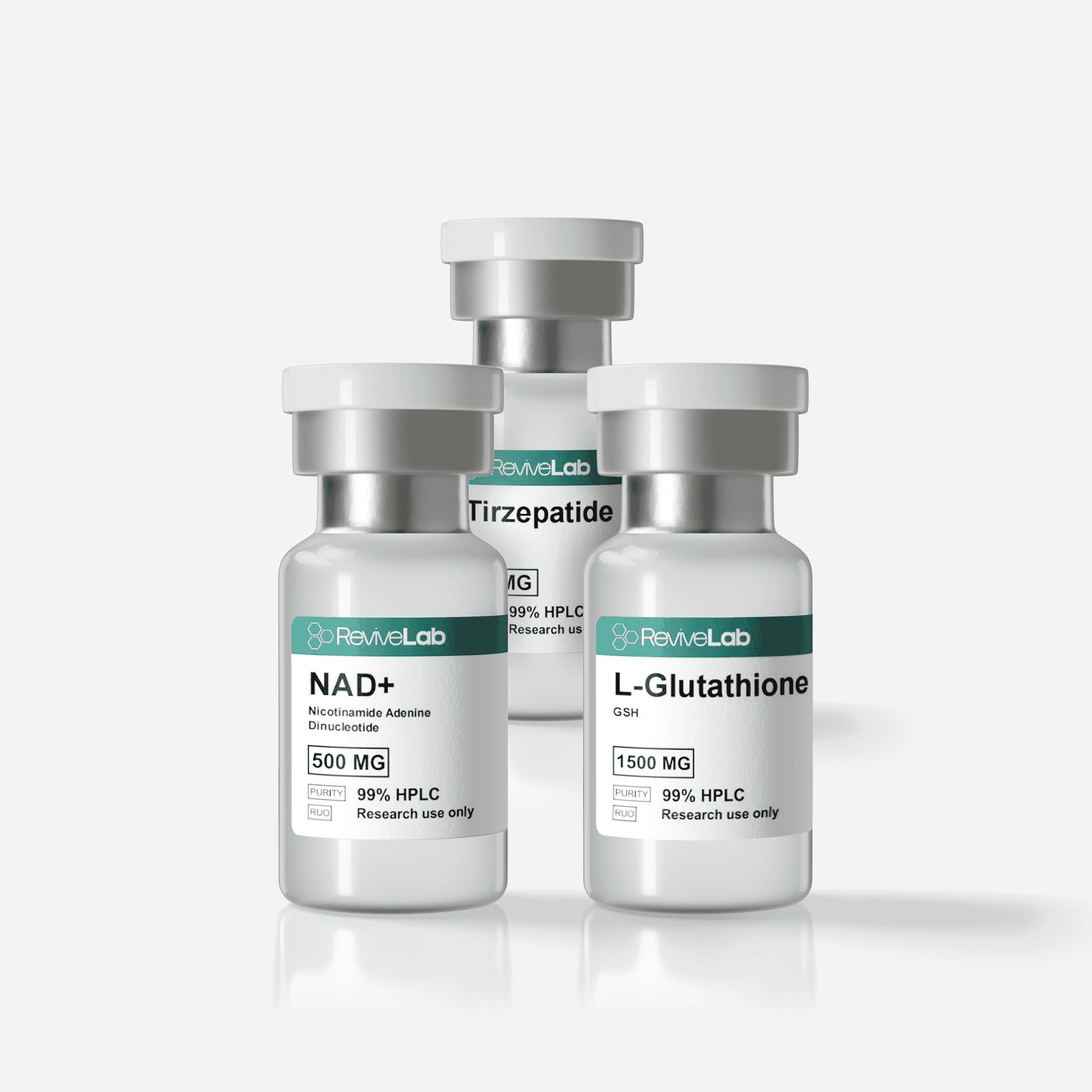
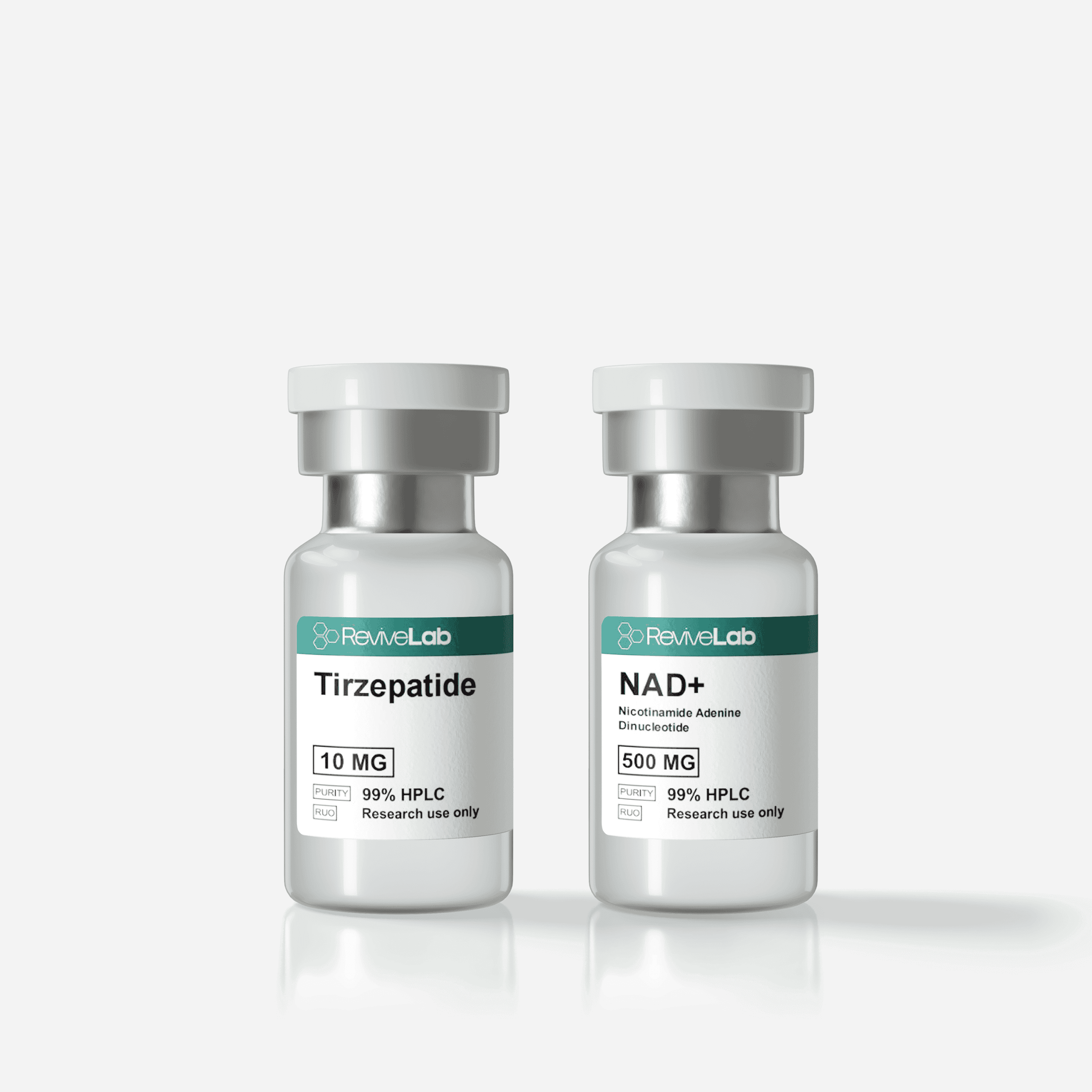
Tirzepatide + NAD⁺ + Glutathione
Original price was: $999.89.$949.89Current price is: $949.89.
Add to cart
Sale!
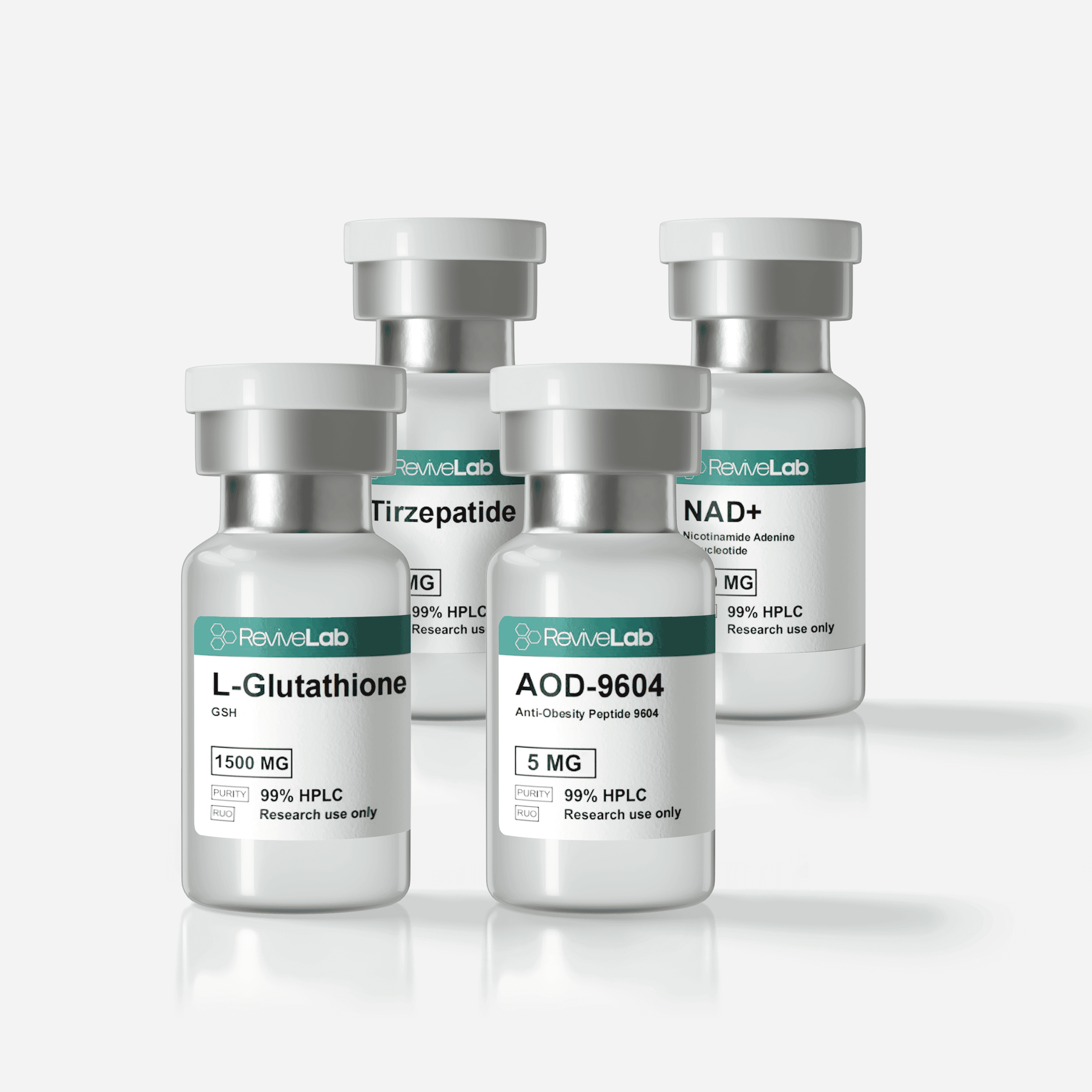
Tirzepatide + NAD⁺ + Glutathione + AOD-9604
Original price was: $1,099.86.$1,044.86Current price is: $1,044.86.
Add to cart
Sale!
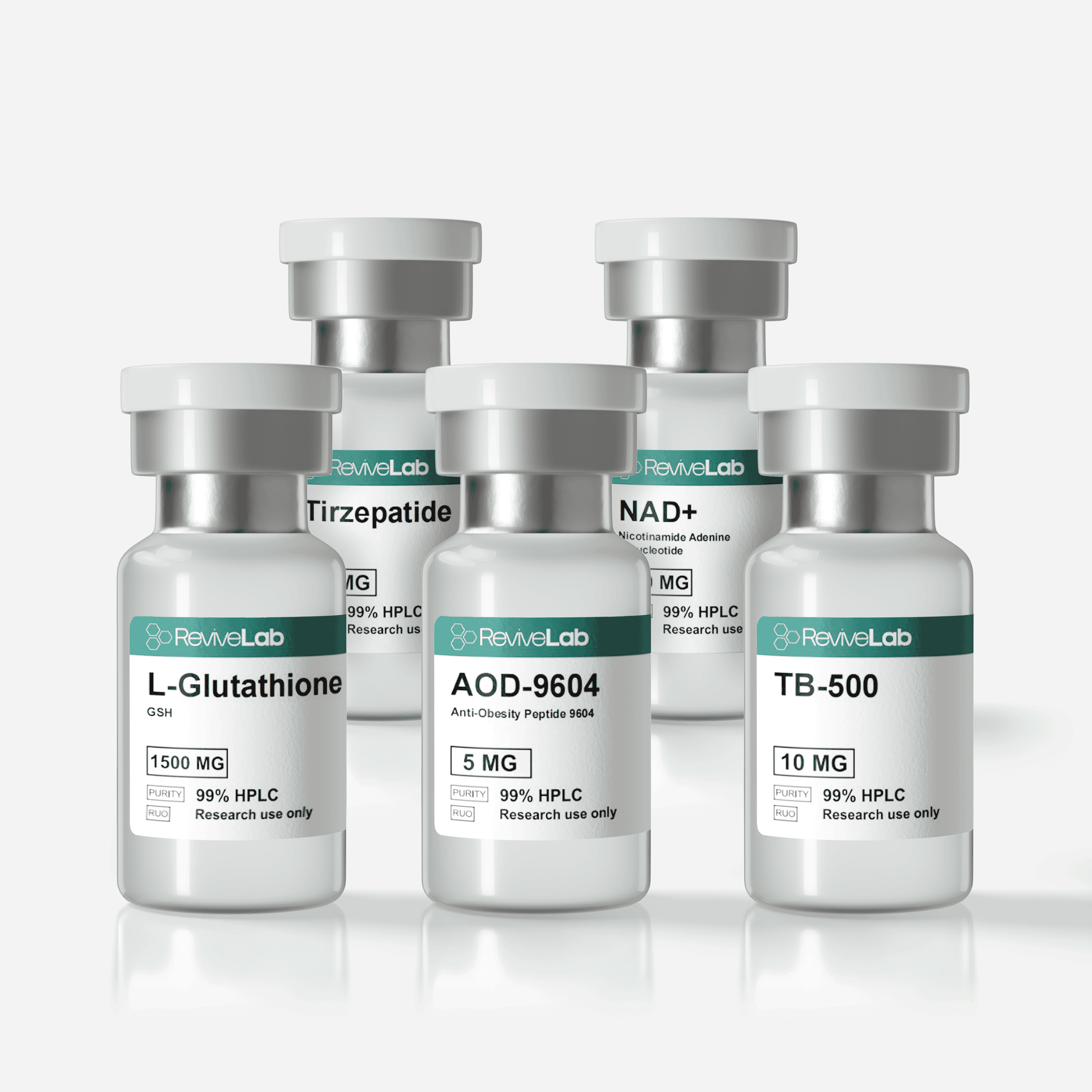
Tirzepatide + NAD⁺ + Glutathione + AOD-9604 + TB-500
Original price was: $1,419.82.$1,348.82Current price is: $1,348.82.
Add to cart