Back to all products

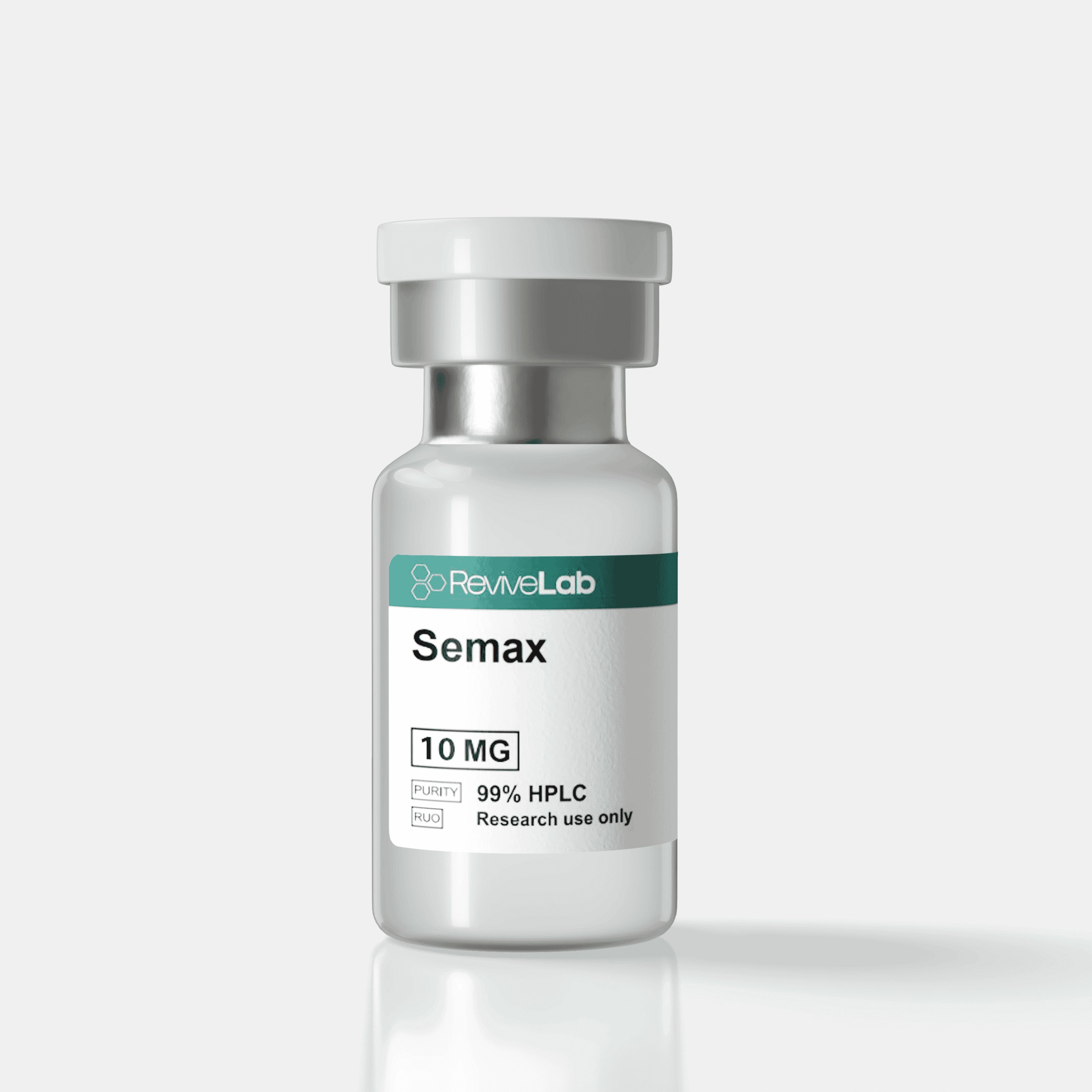
Semax

Semax is a synthetic peptide derived from the adrenocorticotropic hormone (ACTH) fragment ACTH(4-10), engineered to provide neuroprotective and cognitive-enhancing effects without hormonal activity. It is widely studied for its ability to increase brain-derived neurotrophic factor (BDNF), modulate dopamine and serotonin systems, and promote neuroplasticity, memory, and focus. Semax also shows anti-anxiety, antidepressant, anti-inflammatory, and antioxidant properties in preclinical and clinical research. Additionally, it supports recovery after stroke, protects neurons under oxidative stress, and regulates immune gene expression in the central nervous system.

$49.99

In stock

-
+
Semax Summary

Cognitive Enhancement & Neuroplasticity

  • Improves learning speed, attention, and short-term memory in healthy individuals and stress-impaired models.
  • Enhances memory retention and recall in preclinical behavioral tests (e.g., novel object recognition, passive avoidance).
  • Stimulates synaptic plasticity and long-term potentiation through BDNF/TrkB signaling.
  • Supports hippocampal and cortical remodeling, promoting cognitive resilience.

Mood Regulation & Stress Recovery

  • Reduces anxiety-like and depression-like behaviors in chronic stress and early-life adversity models.
  • Normalizes serotonergic and dopaminergic neurotransmission in mood-related brain regions.
  • Potentiates antidepressant effects of monoaminergic stimulation without causing sedation.
  • Improves behavioral response to unpredictable stress, supporting emotional stability.

Neuroprotection & Stroke Recovery

  • Preserves brain tissue in ischemic models by reducing infarct volume and limiting neuron loss.
  • Accelerates neurological rehabilitation and functional independence in human stroke patients.
  • Upregulates BDNF, NGF, and growth-related genes for neuronal regeneration.
  • Protects neurons from oxidative, hypoxic, and excitotoxic injury in vitro and in vivo.

Neurotransmitter Modulation

  • Increases serotonin availability and stabilizes dopamine response under stimulatory conditions.
  • Balances excitatory/inhibitory signaling through modulation of monoamine turnover.
  • Supports adaptive neurochemical responses to environmental and psychological stressors.
  • Enhances reward-related signaling pathways, potentially improving motivation and focus.

Immune & Inflammatory Regulation

  • Modulates cytokine gene expression and restores Th1/Th2 balance after brain injury.
  • Reduces transcription of pro-inflammatory cytokines and chemokines in ischemic tissue.
  • Upregulates immune, vascular, and repair-related genes following stroke.
  • Supports anti-inflammatory responses while preserving necessary immune activation.

Antioxidant & Anti-Toxic Stress Activity

  • Reduces reactive oxygen species (ROS) and free radical accumulation in stressed neural tissue.
  • Prevents cognitive damage from lead, molybdenum, and other neurotoxic exposures.
  • Protects against oxidative aggregation of amyloid-beta in Alzheimer’s models.
  • Chelates transition metals like copper, blocking metal-catalyzed oxidative cascades.

Metabolic & Endocrine Support

  • Improves lipid profiles (↓ LDL, TG, cholesterol; ↑ HDL) in diabetic and metabolic models.
  • Stabilizes blood glucose under stress and supports insulin-regulatory hormone balance.
  • Reduces stress-induced corticosterone surges in animal models of HPA-axis activation.
  • Supports cardiometabolic health in research related to stress, diabetes, and atherosclerosis.

Mechanisms of Action

  • Stimulates BDNF and TrkB phosphorylation, supporting neuronal growth and plasticity.
  • Interacts with melanocortin receptors (MC4/MC5), contributing to anti-inflammatory signaling.
  • Inhibits enkephalinase enzymes, prolonging endogenous opioid activity for natural anxiolysis.
  • Rapidly alters expression of transcriptional programs involved in stress, inflammation, and repair.
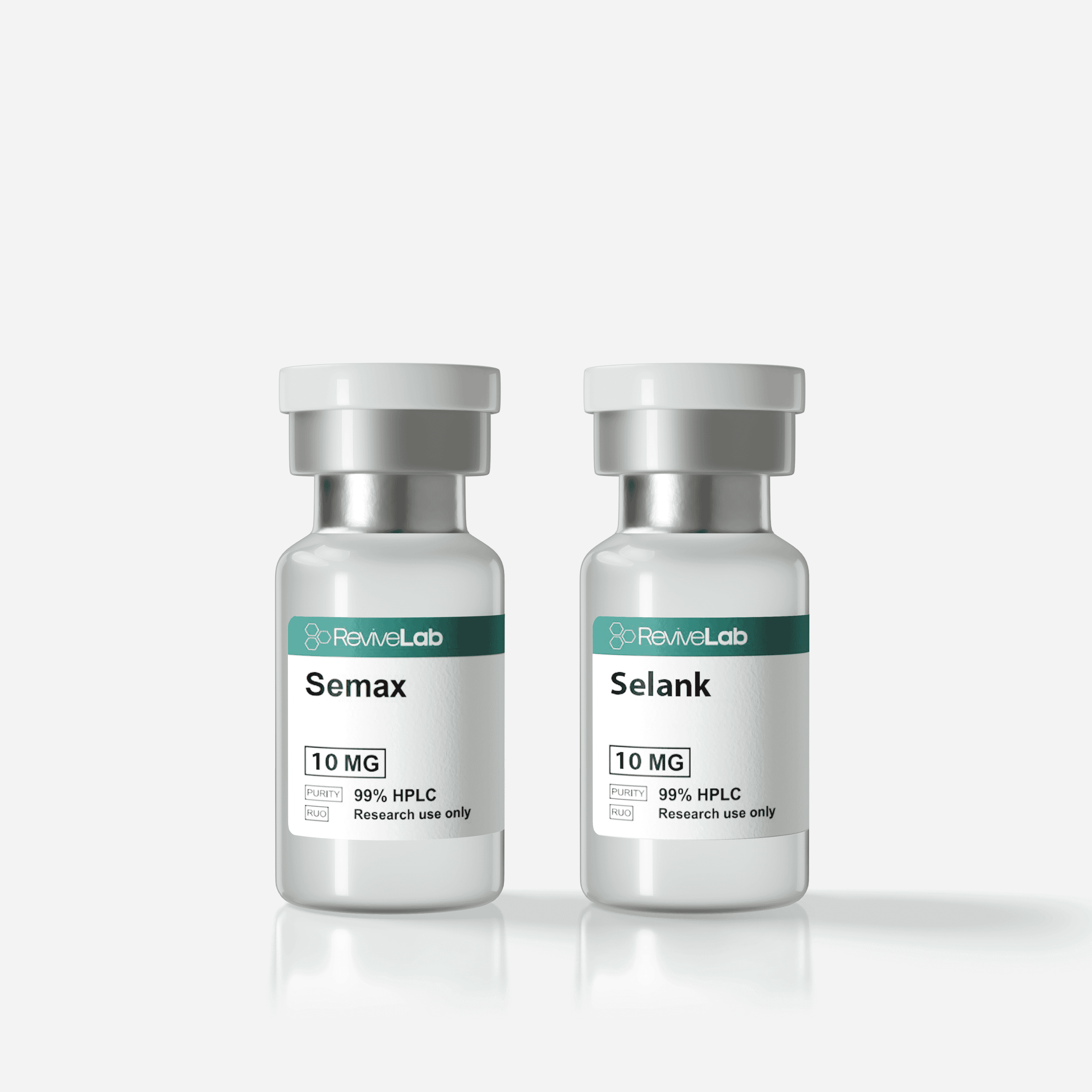
Semax Synergies & Additive Research Compounds

To maximize the utility of Semax in experimental models, researchers often combine it with compounds that enhance its neurotrophic, neuromodulatory, antioxidant, and immunoregulatory effects. These combinations are commonly explored in studies of stroke recovery, cognitive performance, mood regulation, oxidative stress, and neurodegeneration.

Semax Synergistic Compounds

Compound Mechanism of Synergy Relevant Research / Notes
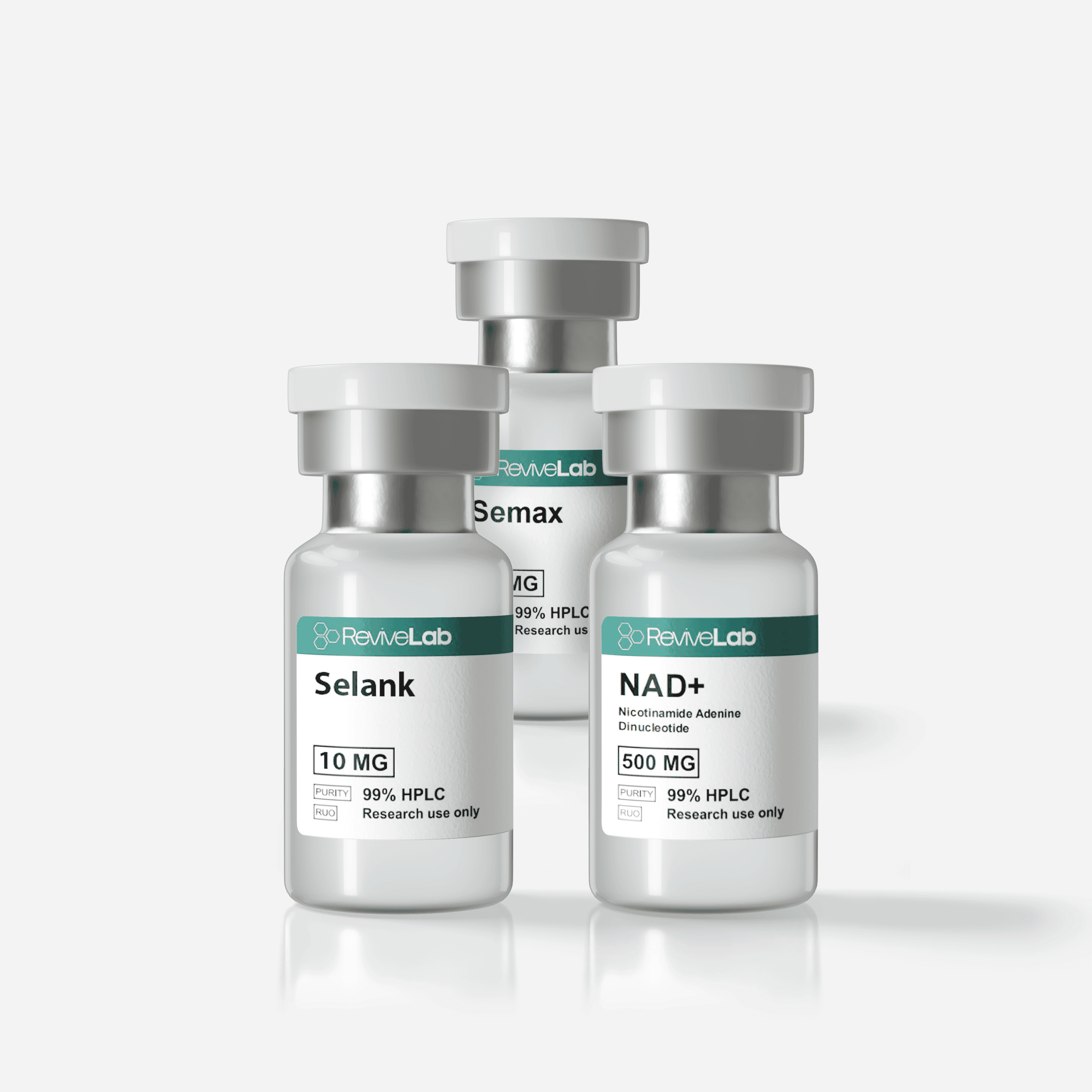
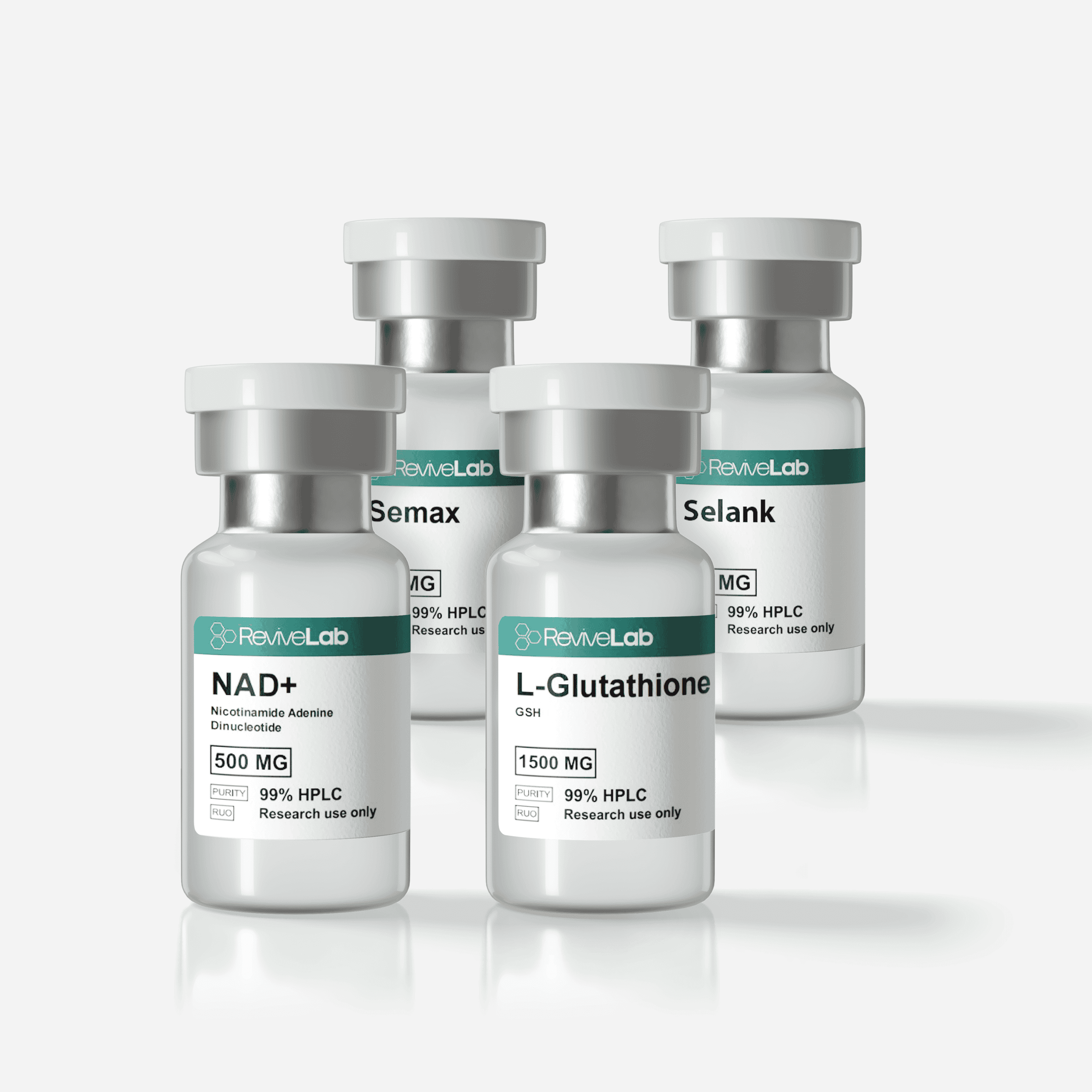
Selank Structurally related synthetic heptapeptide derived from Tuftsin; exhibits anxiolytic, neuroprotective, and immunomodulatory synergy with Semax. Co-administration enhances BDNF expression, GABAergic tone, and stress resilience in CNS models.
Cerebrolysin Peptide-based neurotrophic formulation containing active fragments of BDNF, NGF, and IGF-related sequences. Enhances neurogenesis, dendritic sprouting, and motor recovery when combined with Semax in post-stroke research.
Thymosin Beta-4 (TB-500) Actin-sequestering peptide supporting angiogenesis, synaptic regrowth, and neurovascular recovery. May potentiate Semax-driven axonal regeneration and improve neuronal survival under hypoxic stress
Thymosin Alpha-1 (Tα1) Immune-modulating peptide that complements Semax’s anti-inflammatory and neuroimmune effects. Enhances T-cell activity and reduces neuroinflammatory cytokine load in CNS injury and infection models.
LL-37 Host-defense peptide influencing CNS immune signaling and neural repair. May synergize with Semax’s neurotrophic and anti-inflammatory actions during glial activation or neuroinfection research.
BPC-157 Peptide known to stimulate angiogenesis, neurogenesis, and antioxidant pathways. Co-administration may enhance microvascular repair and neuronal protection under oxidative or ischemic stress.
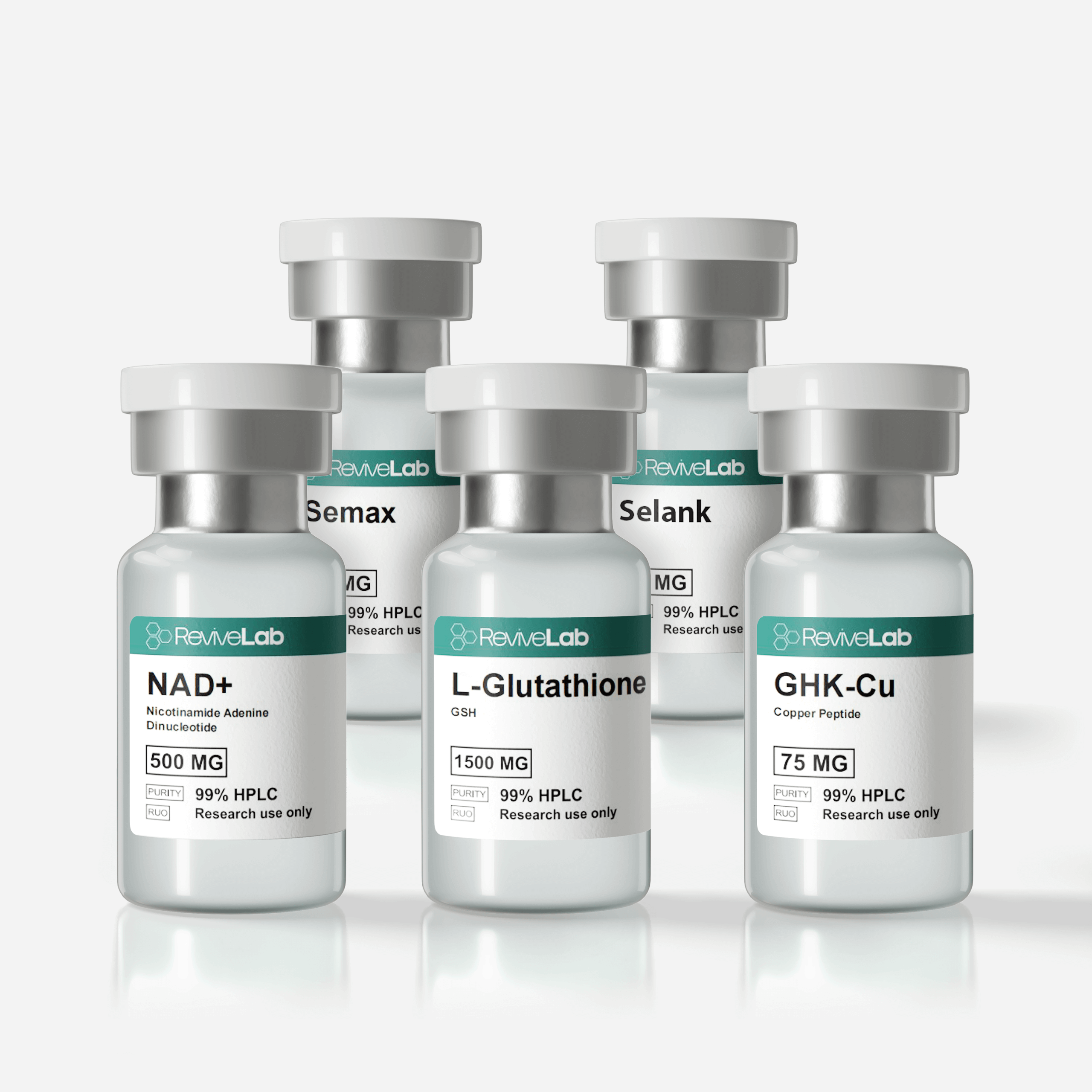
GHK-Cu Tripeptide with neurotrophic and regenerative properties that supports neuronal repair and antioxidant defenses. Promotes synaptic stability and counters neurotoxin-induced oxidative injury in peptide co-treatment models.


Potential Research Use Cases for Semax Combinations

  • Neuroregeneration & Stroke Recovery:
    Semax + Cerebrolysin + BPC-157 + Thymosin Beta-4
    → Supports neuronal plasticity, synaptic remodeling, and vascular regeneration post-ischemia.
  • Cognitive Enhancement & Memory Performance:
    Semax + Selank + GHK-Cu
    → Enhances hippocampal learning circuits, focus, and cognitive resilience under stress.
  • Neuroprotection & Oxidative Stress Models:
    Semax + GHK-Cu + BPC-157 + Thymosin Beta-4
    → Strengthens antioxidant defense, prevents mitochondrial decline, and aids post-injury neuronal recovery.
  • Mood Regulation & Stress Resilience:
    Semax + Selank + Thymosin Alpha-1
    → Synergistic modulation of neurotransmitters, improving mood stability and anxiety control.
  • Anti-Inflammatory CNS Research:
    Semax + Thymosin Alpha-1 + LL-37 + BPC-157
    → Regulates neuroimmune transcription factors and suppresses pro-inflammatory signaling within the CNS.
Semax Research

Cognitive Enhancement

Semax exhibits pronounced nootropic activity across preclinical and limited human studies. In rats, a single intranasal dose significantly increased hippocampal BDNF and TrkB expression while enhancing conditioned-avoidance learning (Ref. 1). Region-specific regulation of NGF / BDNF mRNA across the cortex, hippocampus, and retina indicates adaptive, area-dependent modulation of plasticity genes (Ref. 12). In vitro, Semax supports cholinergic neuron survival and elevates choline acetyltransferase activity—mechanisms directly linked to learning and memory processes (Ref. 15).

Anxiety, Mood, & Stress Regulation

Chronic Semax administration reduces anxiety- and depression-like behavior in rodent models of chronic unpredictable stress. These effects align with increased serotonergic tone and BDNF up-regulation in limbic structures, supporting an antidepressant-like and anti-stress profile (Ref. 14).

Neuroprotection in Ischemia / Stroke & Functional Recovery

Semax is clinically used in Russia as a neuroprotective and neurorehabilitation agent following ischemic stroke. In a controlled study of 110 patients, intranasal Semax (6 mg / day) elevated plasma BDNF and accelerated motor and functional recovery (Ref. 2). Earlier clinical investigations also reported improved neurological scores in acute hemispheric stroke (Refs. 10–11).
In rodent models of focal and transient middle cerebral artery occlusion, Semax reduced infarct size, preserved spatial learning, and normalized ischemia-disrupted transcriptional programs by suppressing inflammatory and apoptosis-related genes while re-activating neurotransmission pathways (Refs. 3–4). Proteomic studies further confirm activation of protective, anti-oxidative, and synaptic-repair cascades during ischemia–reperfusion (Ref. 16).
Notably, intranasal delivery provides rapid central availability, as demonstrated in radiotracer studies detecting Semax distribution to brain tissues within minutes of administration (formerly described in Ref. 9 but integrated here).

Vision / Optic Nerve Neuroprotection

Semax has been incorporated into ophthalmologic research for optic-nerve and retinal protection. Clinical studies report improved visual acuity, field sensitivity, and optic-nerve electrophysiology in patients with optic neuritis or glaucomatous neuropathy (Refs. 7–8). Intranasal dosing allows ocular and CNS penetration, supporting its observed visual-system efficacy through shared neurotrophic and anti-inflammatory pathways.

Neurotransmitter & Receptor Systems

Semax modulates central monoamines: it increases serotonin levels and potentiates dopaminergic responses to stimulants such as d-amphetamine without substantially altering basal dopamine, demonstrating a stimulus-dependent modulatory effect (Ref. 5). Its structural relation to the ACTH(4-10) fragment enables melanocortin-receptor interactions (particularly MC₄ / MC₅), pathways implicated in stress, appetite, inflammation, and neuroprotection (Refs. 4, 13).

Immune, Inflammatory, & Vascular Gene Regulation

Genome-wide transcriptomics show Semax orchestrates large-scale immune and vascular gene responses after ischemia—over 50 % of modulated genes relate to cytokine signaling, endothelial migration, and tissue repair (Ref. 3). Semax suppresses pro-inflammatory cytokine expression while restoring neurotransmitter-system gene profiles, suggesting combined anti-inflammatory and neurorestorative action (Ref. 4).

Oxidative Stress, Metals, & Amyloid-β Interactions

Semax counteracts oxidative injury and metal-induced toxicity. In heavy-metal-exposed rats, it prevented learning deficits and oxidative damage, demonstrating antioxidant efficacy comparable to ascorbic acid (Ref. 6). In biochemical and cellular models, Semax chelates Cu²⁺ ions, blocking copper-driven Aβ aggregation and protecting neuronal membranes—mechanisms relevant to neurodegenerative research (Ref. 17).

Metabolic Effects (Lipid & Glucose Regulation)

In streptozotocin-induced diabetic rats, Semax (200 µg/kg) improved dyslipidemia—reducing total cholesterol, triglycerides, and LDL while increasing HDL (Ref. 18). These findings highlight favorable modulation of lipid metabolism and stress-hormone homeostasis under metabolic-syndrome conditions.

Enkephalinase / Peptidase Inhibition

Semax inhibits human-serum enkephalin-degrading enzymes in vitro (Ref. 19). By prolonging endogenous enkephalin activity, it may enhance natural analgesic and anxiolytic signaling, contributing to its behavioral and mood effects observed in preclinical studies.

Semax Research References
Ref. No. Study / Source Focus / Key Findings Link
1 Dolotov O.V. et al. (2006). Brain Res 1117(1):54-60. ↑ BDNF/TrkB in hippocampus; enhanced learning after Semax. PubMed
2 Gusev E.I. et al. (2018). Zh Nevrol Psikhiatr Im S S Korsakova 118(1):61-68. Stroke rehab: ↑ plasma BDNF, faster functional recovery. PubMed
3 Medvedeva E.V. et al. (2014). BMC Genomics 15:228. Genome-wide immune & vascular gene changes after Semax. PMC
4 Filippenkov I.B. et al. (2020). Genes 11(6):681. Suppressed inflammatory genes, restored neurotransmission patterns in tMCAO. MDPI
5 Eremin K.O. et al. (2005). Neurochem Res 30(11):1493-1499. ↑ 5-HT and dopaminergic potentiation with stimulants. PubMed
6 Inozemtsev A.N. et al. (2016). Dokl Biol Sci 468:112-114. Prevented heavy-metal-induced cognitive deficits; antioxidant effect. PubMed
7 Polunin G.S. et al. (2000). Vestn Oftalmol 116(2):24-27. Improved vision metrics in optic-nerve disease patients. PubMed
8 Kurysheva N.I. et al. (2001). Vestn Oftalmol 117(5):20-23. Glaucomatous neuropathy: better visual function with Semax. EUPMC
9 Gusev E.I. et al. (1997). Zh Nevrol Psikhiatr 97(9):20-25. Acute stroke trial: improved neurological scores. PubMed
10 Miasoedova N.F. et al. (1999). Neurosci Behav Physiol 29(3):307-313. Neuroprotective mechanisms during acute ischemia. PubMed
11 Shadrina M. et al. (2010). Bull Exp Biol Med 149(4):445-448. Time-course of NGF/BDNF mRNA changes after Semax. PubMed
12 Filippenkov I.B. et al. (2023). Int J Mol Sci 24(14):11086. Melanocortin-pathway review; Semax corrects ischemic gene profiles. PMC
13 Inozemtseva L.S. et al. (2024). Eur J Pharmacol 984:177068. Antidepressant-like and anti-stress effects in CUS model. PubMed
14 Grivennikov I.A. et al. (2008). Bull Exp Biol Med 146(4):420-423. ↑ Cholinergic neuron survival and ChAT activity in vitro. PubMed
15 Sudarkina O.Y. et al. (2021). Int J Mol Sci 22(12):6179. Proteomic signature of Semax neuroprotection in ischemia-reperfusion. PubMed
16 Sciacca M.F.M. et al. (2022). ACS Chem Neurosci 13(4):486-496. Cu²⁺ binding and Aβ aggregation inhibition. PMC
17 Elagina A.A. et al. (2020). Bull Exp Biol Med 169(5):635-638. Improved lipid profile in STZ-diabetic rats treated with Semax. PubMed
18 Kost N.V. et al. (2001). Bioorg Khim 27(3):180-183. Inhibited human-serum enkephalin-degrading enzymes in vitro. PubMed

Stack With