 L-Glutathione
  AOD-9604
  TB-500 Frag (17-23)
  CJC-1295 no DAC
  Bacteriostatic Water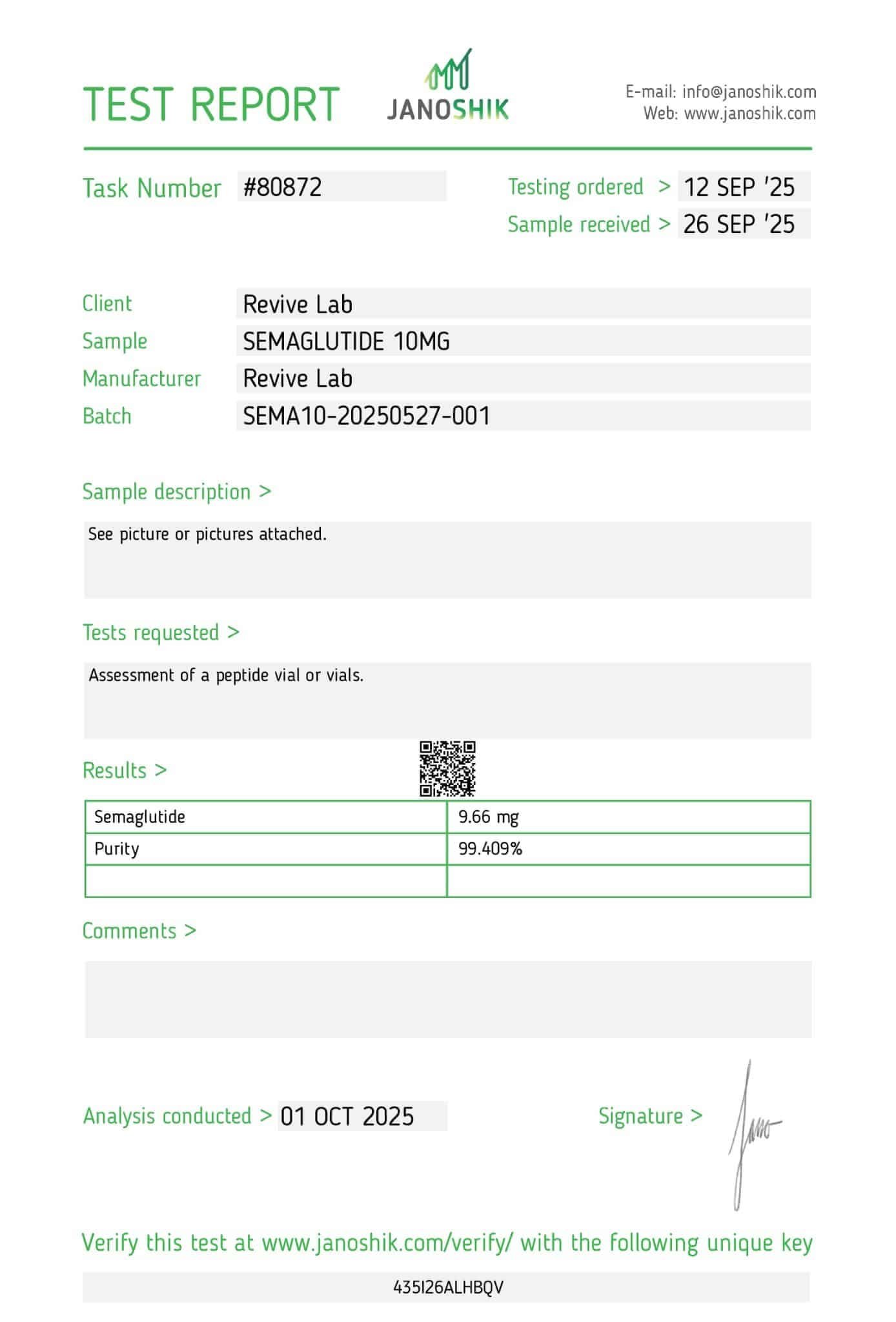
Back to all products
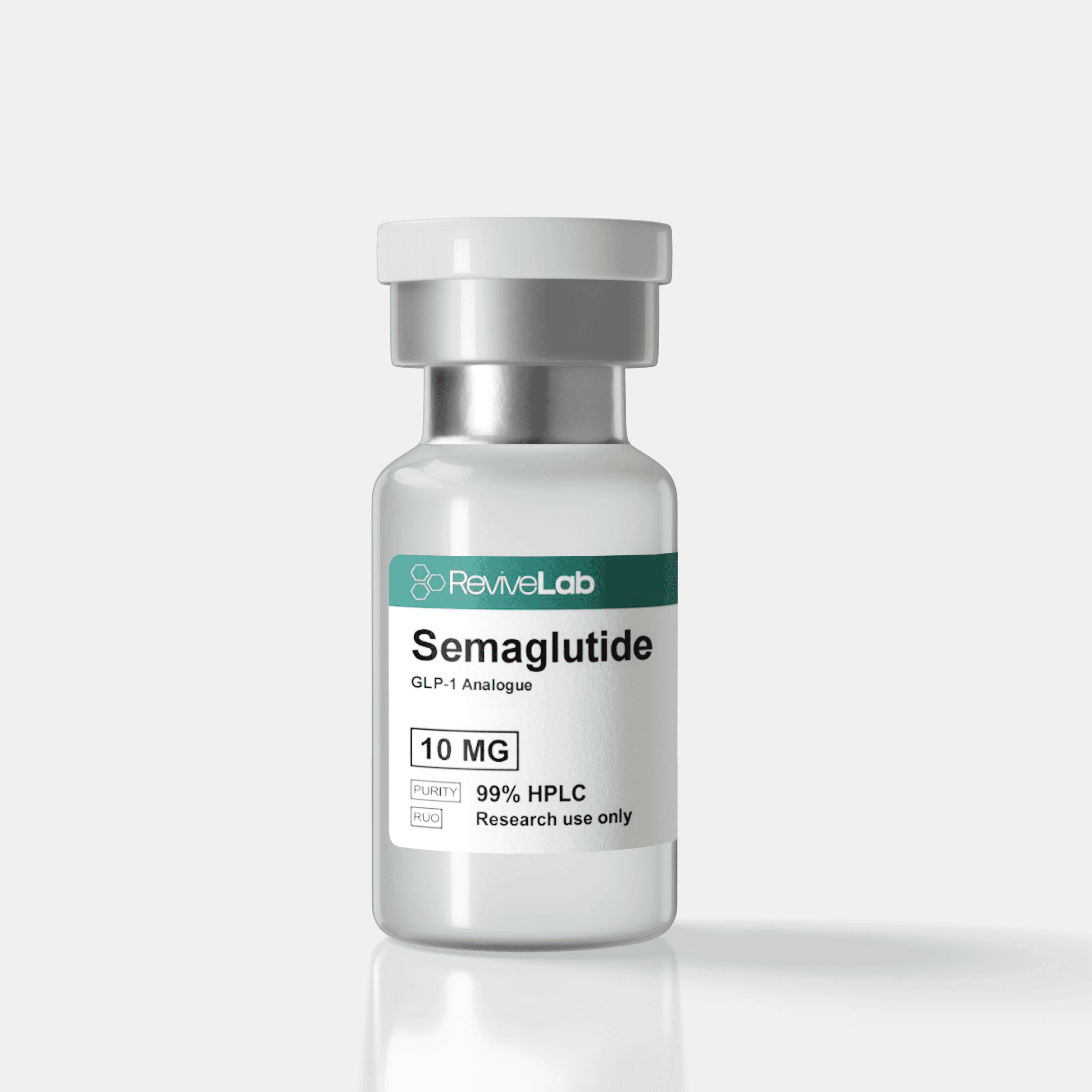
Semaglutide
Semaglutide is a synthetic GLP-1 receptor agonist designed to mimic the activity of endogenous glucagon-like peptide-1, a hormone involved in regulating blood glucose, appetite, and energy balance. In research settings, Semaglutide has demonstrated potent effects on weight reduction, glycemic control, insulin sensitivity, and appetite regulation. Its prolonged half-life supports once-weekly administration, making it a widely studied compound in models of obesity, type 2 diabetes, non-alcoholic fatty liver disease (NAFLD), and cardiometabolic disorders.
$79.99
In stock
Disclaimer: This compound is not intended for human or veterinary use. Semaglutide is sold strictly for laboratory research purposes only. Any mention of effects is provided for educational information and relates solely to preclinical or experimental studies and does not imply efficacy in humans.
COA
Semaglutide Summary
Body Weight & Fat Mass Reduction
- Activates GLP-1 receptors to enhance satiety and reduce food intake.
- Induces significant fat loss — up to ~15% body weight reduction in non-diabetic individuals over 68 weeks.
- Decreases visceral and subcutaneous fat (~19% total fat mass and ~27% visceral fat reduction documented by DEXA).
- Preserves lean mass relative to fat loss, shifting body composition toward improved metabolic health.
- Reduces waist circumference, hunger, and cravings for energy-dense foods.
Glycemic Control & Insulin Sensitivity
- Enhances glucose-dependent insulin secretion and suppresses glucagon during hyperglycemia.
- Lowers HbA1c by ~1.8–2.1%, outperforming several GLP-1 comparators in type 2 diabetes trials.
- Improves fasting glucose, postprandial glucose, and time-in-range metrics.
- Reduces insulin resistance and fasting insulin levels (↓ HOMA-IR) in obese and insulin-resistant populations.
- Supports beta-cell function and glucose homeostasis without causing hypoglycemia.
Appetite Regulation & Gastric Motility
- Delays gastric emptying to prolong satiety and reduce post-meal glucose spikes.
- Crosses the blood-brain barrier to modulate hypothalamic appetite signaling.
- Reduces total caloric intake by ~24% in controlled studies.
- Lowers preference for high-fat/high-sugar foods and improves control over emotional eating.
Liver Function & NAFLD/NASH
- Resolves NASH (non-alcoholic steatohepatitis) in up to 59% of biopsy-confirmed patients over 72 weeks.
- Reduces liver fat content (MRI-PDFF), ALT, AST, and Pro-C3 in metabolic fatty liver models.
- Decreases hepatic inflammation, lipotoxicity, and insulin resistance — key drivers of NAFLD/NASH.
- May slow fibrosis progression by reducing hepatocellular injury and steatosis.
Cardiovascular & Vascular Health
- Reduces risk of major adverse cardiovascular events (MACE) by ~26% in high-risk diabetic patients.
- Lowers systolic blood pressure, LDL cholesterol, and triglycerides.
- Raises HDL and improves lipid ratios associated with atheroprotection.
- Decreases systemic inflammation (e.g., CRP), enhancing endothelial and vascular function.
- Reduces risk of stroke and myocardial infarction in long-term outcome trials.
Inflammation & Immune Modulation
- Downregulates inflammatory cytokines including IL-6, TNF-α, and MCP-1.
- Reduces C-reactive protein (CRP) across diabetic and obese populations in clinical trials.
- Suppresses macrophage activity (↓ CD163) and oxidative stress in adipose and hepatic tissue.
- May influence NLRP3 inflammasome signaling and T-cell cytokine profiles.
- Supports resolution of chronic low-grade inflammation linked to metabolic disease.
Metabolic Flexibility & Fuel Utilization
- Promotes greater reliance on fat oxidation during caloric restriction or fasting.
- Improves ability to switch between glucose and fat as fuel (lower respiratory quotient in studies).
- Induces browning of white adipose tissue in preclinical models (↑ UCP1 expression).
- Elevates adiponectin and improves insulin sensitivity, aiding nutrient partitioning.
- Reduces ectopic fat accumulation in liver, pancreas, and muscle tissue.
Neuroprotection & Cognitive Function (Investigational)
- Activates GLP-1 receptors in the brain and may improve neuronal insulin sensitivity.
- Reduces amyloid plaque formation and tau hyperphosphorylation in Alzheimer’s models.
- Lowers neuroinflammation (↓ IL-1β, IL-6, TNF-α) and oxidative stress in the CNS.
- Real-world data suggest up to 67% reduced Alzheimer’s disease risk compared to other diabetes medications.
- Currently under investigation in EVOKE & EVOKE+ Phase 3 trials for cognitive protection.
Epigenetic & Circadian Regulation (Emerging)
- Influences clock gene expression via metabolic regulation and improved sleep patterns.
- May modulate gene networks related to metabolism, appetite, and endocrine signaling.
- Reduces cortisol dysregulation and improves leptin/adiponectin balance.
- May have secondary effects on circadian feeding behavior and light-cycle regulation in rodent models.
Semaglutide Synergies & Additive Research Compounds
To maximize the utility of Semaglutide in experimental models, researchers often combine it with compounds that enhance its metabolic, hepatic, or appetite-regulating effects, or that mitigate oxidative and inflammatory stress. These synergistic pairings are commonly studied in obesity, diabetes, fatty liver, cardiometabolic risk, and endocrine signaling.
Semaglutide Synergistic Compounds
| Compound | Mechanism of Synergy | Relevant Research / Notes |
|---|---|---|
| AOD-9604 | Fragment of human GH that promotes lipolysis without raising IGF-1 levels. | Works additively with Semaglutide’s GLP-1 activity to enhance fat metabolism and body-composition outcomes. |
| 5-Amino-1MQ | NNMT inhibitor that increases NAD⁺ and activates AMPK/SIRT1 pathways. | Complements Semaglutide’s insulin-sensitizing and mitochondrial regulatory effects for improved glucose handling. |
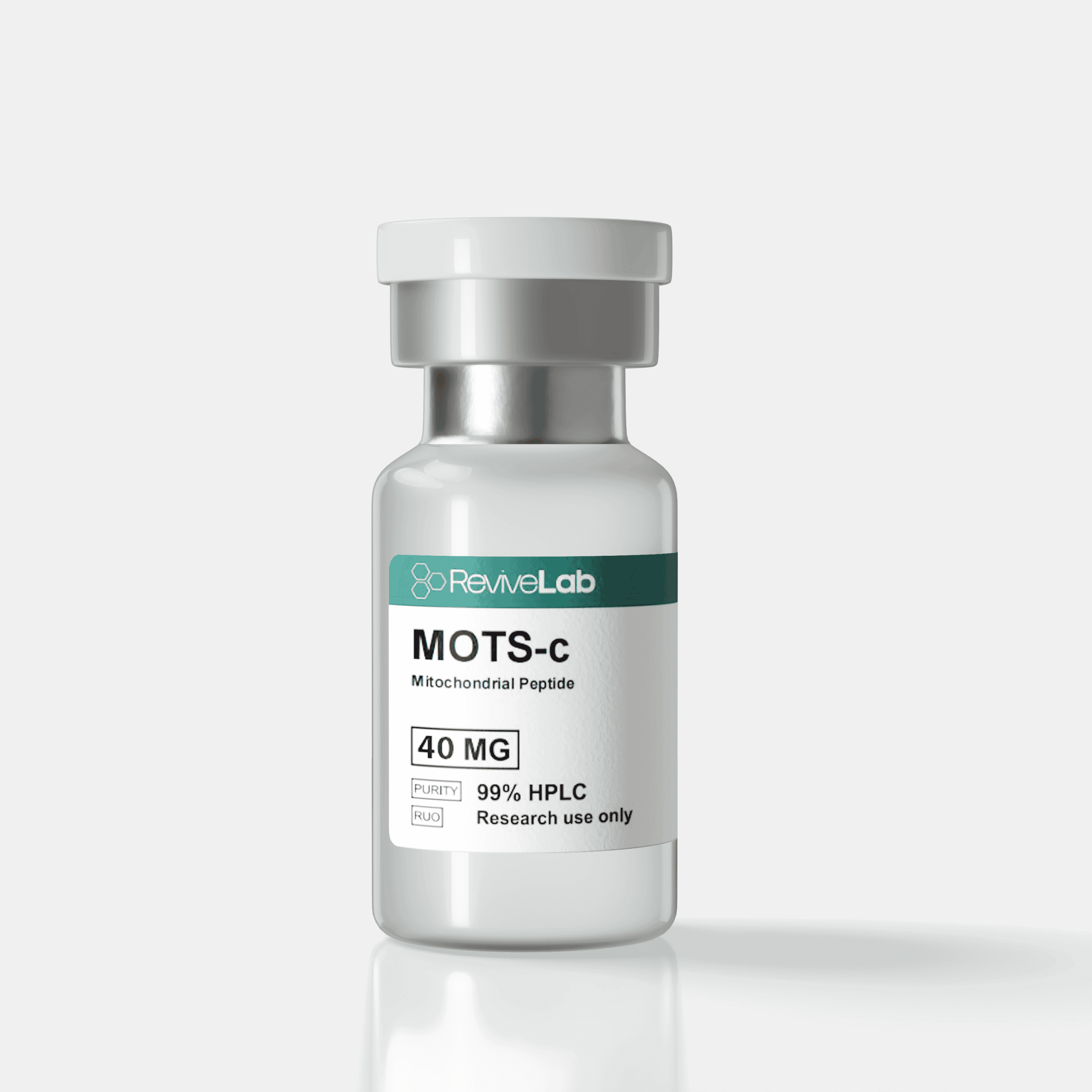
| MOTS-c | Mitochondrial peptide that promotes AMPK activation and energy efficiency. | Enhances Semaglutide’s metabolic and endurance benefits through mitochondrial biogenesis and glucose uptake. |
| CJC-1295 (No DAC) | GHRH analog that elevates GH and IGF-1; supports lean-mass maintenance during caloric deficit. | Combined use may prevent muscle loss while sustaining Semaglutide’s fat-reduction outcomes. |
| Ipamorelin | Selective GH secretagogue enhancing pulsatile GH release. | Complements Semaglutide’s metabolic modulation by supporting protein synthesis and tissue recovery. |
| BPC-157 | Regenerative peptide that supports endothelial and gastrointestinal protection. | May counteract GLP-1-related GI distress and enhance tissue integrity during weight-loss protocols. |
| TB-500 (Thymosin Beta-4) | Enhances angiogenesis and reduces fibrosis; supports systemic healing. | Adds regenerative balance to Semaglutide’s metabolic actions, especially in vascular and hepatic studies. |
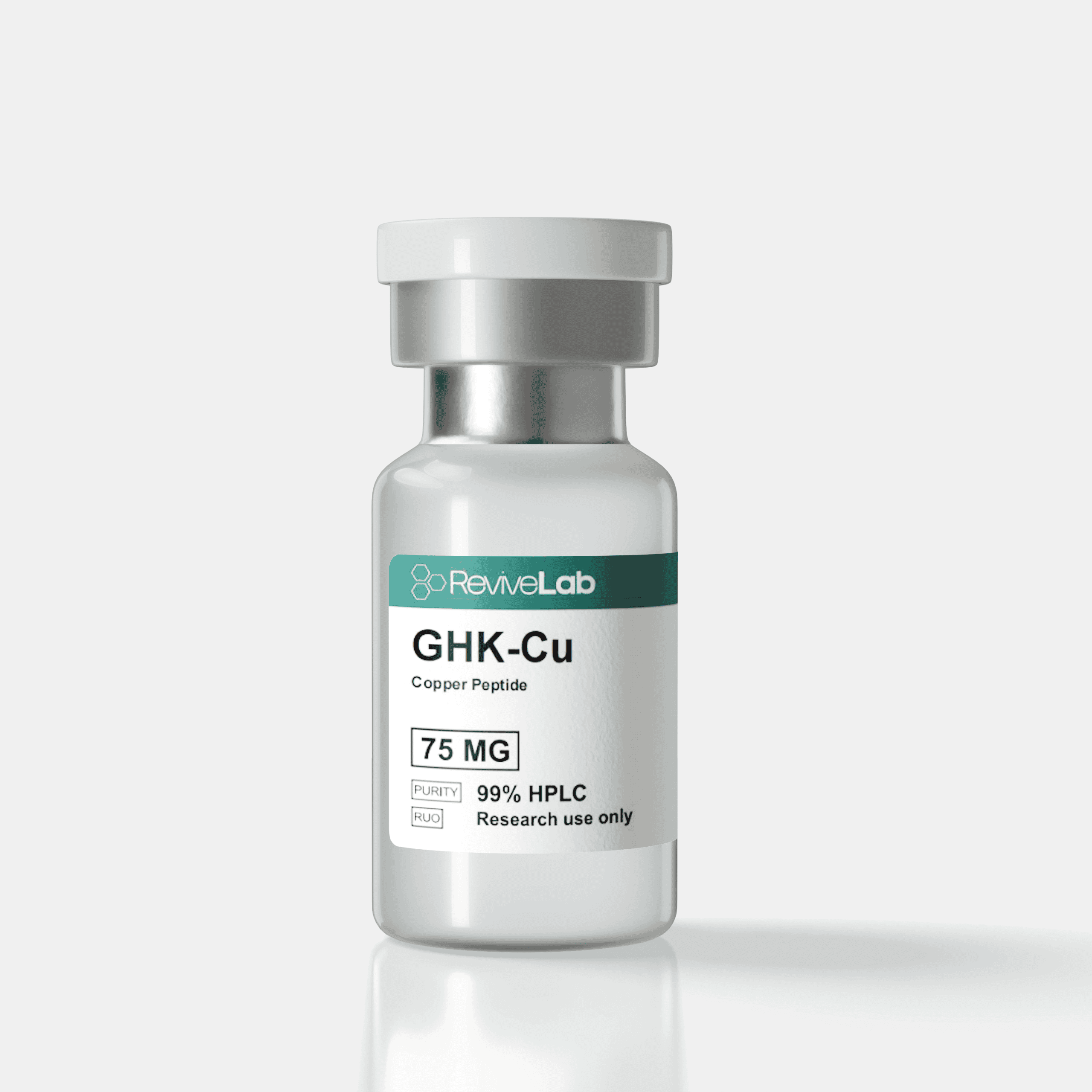
| GHK-Cu | Copper peptide that stimulates collagen synthesis and antioxidant defense. | Synergizes with Semaglutide in tissue remodeling and oxidative-stress reduction in metabolic models. |
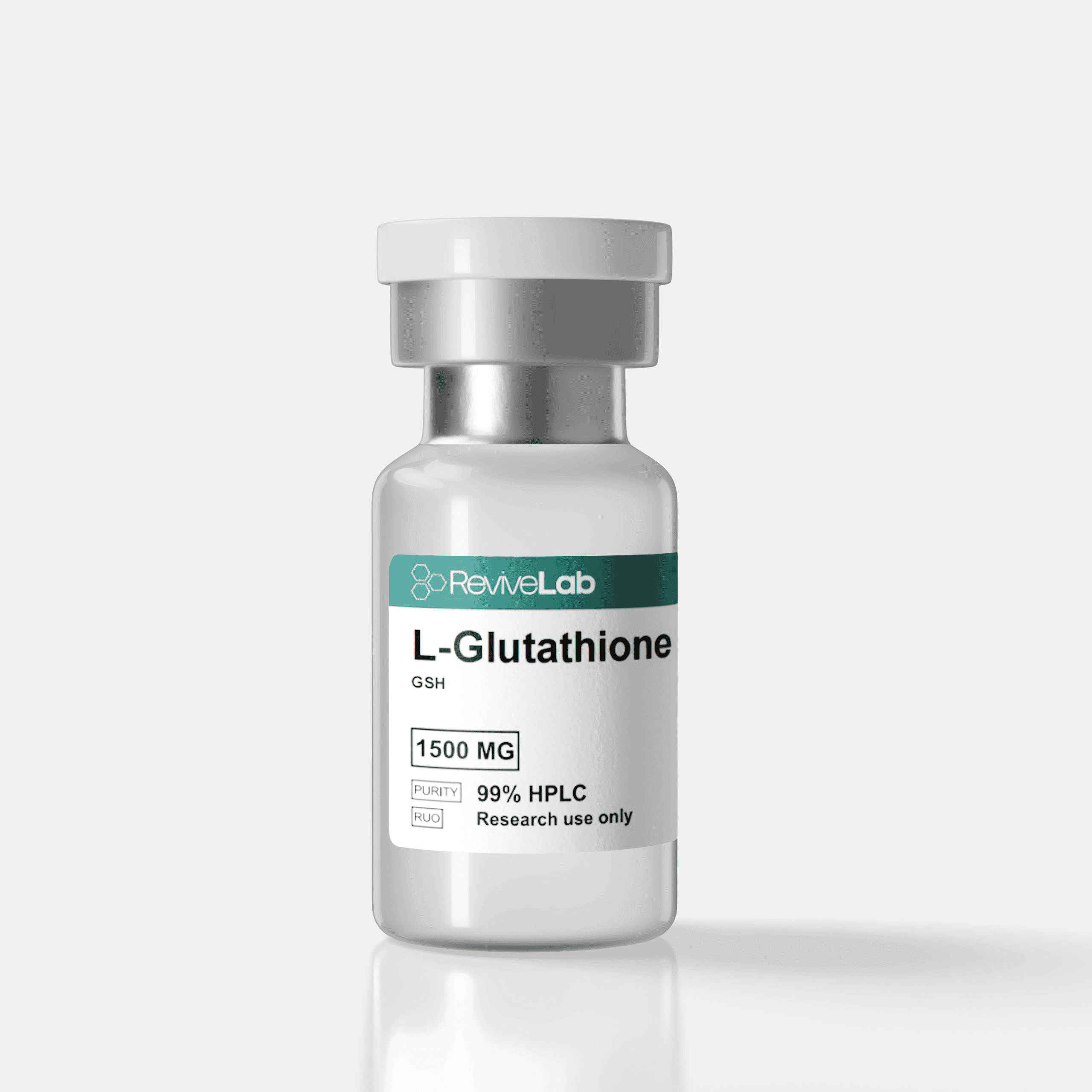
| Glutathione (GSH) | Primary antioxidant maintaining NAD⁺/NADH equilibrium; supports mitochondrial detoxification. | Used alongside Semaglutide to mitigate oxidative stress and enhance liver and pancreatic protection. |
| Thymosin Alpha-1 | Immune-modulating peptide improving insulin sensitivity and reducing cytokine burden. | Enhances Semaglutide’s systemic anti-inflammatory and metabolic effects in chronic inflammation models. |
Potential Research Use Cases for Semaglutide Combinations
- Metabolic Syndrome & Obesity Research:
Semaglutide + AOD-9604 + 5-Amino-1MQ + MOTS-c
→ Synergistic enhancement of fat oxidation, mitochondrial energy turnover, and glucose tolerance. - Muscle Preservation & Body-Composition Studies:
Semaglutide + CJC-1295 (No DAC) + Ipamorelin
→ Supports lean-mass maintenance and anabolic recovery during adipose-reduction research. - Gastrointestinal & Organ Protection:
Semaglutide + BPC-157 + TB-500
→ Improves gut barrier stability, angiogenesis, and tissue resilience under metabolic stress. - Antioxidant & Mitochondrial Support:
Semaglutide + Glutathione + GHK-Cu
→ Explores gastric motility, gut-brain peptide interactions, and nutrient sensing during GLP-1 agonism. - Systemic & Inflammatory Regulation:
Semaglutide + Thymosin Alpha-1 + MOTS-c
→ Investigates combined immune, metabolic, and mitochondrial synergy for chronic disease and aging research.
Semaglutide Research
Semaglutide is a long-acting analog of glucagon-like peptide-1 (GLP-1) studied for its multifaceted effects on metabolism. It was originally developed for type 2 diabetes and obesity, and research has unveiled numerous physiological functions and potential benefits. Below is a detailed overview of semaglutide’s research-backed effects, organized by key domains:
Fat Loss & Body Composition
Significant Weight Reduction: Clinical trials in obese adults without diabetes have demonstrated robust weight loss with semaglutide. For example, the 68-week study (STEP 1) reported ~14.9 % average body weight loss on weekly semaglutide 2.4 mg, versus ~2.4 % with placebo. Over half of semaglutide-treated subjects lost ≥15 % of their body weight (versus ~4.9 % in placebo group). (Ref. 1)
Preferential Fat Mass Loss: Weight loss from semaglutide is predominantly from adipose tissue. DEXA-scan analyses show total fat mass reductions of ~19.3 % and visceral fat reductions of ~27.4 % with semaglutide therapy; lean body mass loss is comparatively smaller (≈9.7 %), meaning the proportion of lean mass actually increases. (Ref. 2)
Mechanism – Caloric Intake Reduction: Semaglutide’s impact on body weight is largely due to reduced calorie intake. In a 12-week trial, participants on semaglutide consumed ~24 % fewer calories per day than controls, reporting less hunger and fewer food cravings—resulting in ~5 kg of weight loss (primarily fat mass) in just 3 months. (Ref. 3)
Sustained Effects & Maintenance: Longer-term data show that weight loss is maintained while treatment continues; however, after withdrawal of semaglutide and lifestyle intervention, participants regained about two-thirds of prior weight loss by week 120 (Ref. 4)––emphasizing the chronic nature of obesity and the need for ongoing therapy.
Body Composition Meta-Analysis: In a 2025 systematic review and meta-analysis covering several RCTs, semaglutide produced significant non-linear weight loss (≈0.04 kg/day) primarily due to fat mass rather than fat-free mass. Fat-free mass declined at a smaller rate (~0.007 kg/day). (Ref. 5)
Together these findings support semaglutide not just as a “weight loss” drug, but as a modifier of body composition with preferential fat reduction and lean-mass preservation.
Glycemic Control & Insulin Sensitivity
Improved Blood Glucose and HbA1c: As a GLP-1 receptor agonist, semaglutide enhances glucose-dependent insulin secretion and lowers glucagon, leading to better glycaemic control. In patients with type 2 diabetes, semaglutide significantly lowers HbA₁c levels compared to other agents. (Ref. 6)
Enhanced Insulin Secretion (Glucose-Dependent): Semaglutide supports pancreatic β-cell response when glucose is elevated, increasing insulin release only in the fed state while suppressing inappropriate glucagon secretion. This coordinated action helps prevent hyperglycemia without excessive insulin when not needed, lowering hypoglycaemia risk. (Ref. 7)
Improved Insulin Sensitivity: Beyond stimulating insulin, semaglutide leads to lower endogenous insulin requirements over time thanks to weight loss and reduced insulin resistance. Studies in women with polycystic ovary syndrome (PCOS) found that 3 months of weekly semaglutide normalized fasting glucose in ~80 % of subjects and significantly reduced HOMA-IR, indicating markedly improved insulin sensitivity. (Ref. 8)
In essence, semaglutide acts both on insulin secretion and insulin sensitivity—making it relevant outside of pure glycaemic endpoints.
Cardiovascular Health
Reduced Major Cardiovascular Events: Semaglutide has demonstrated cardioprotective effects in high-risk populations. In the 2-year SUSTAIN-6 trial (type 2 diabetes patients with existing cardiovascular disease), semaglutide significantly lowered the incidence of major adverse cardiovascular events (hazard ratio ~0.74). Non-fatal stroke risk was significantly reduced (HR ~0.61). (Ref. 9)
Blood Pressure and Lipids: Weight loss induced by semaglutide is typically accompanied by improvements in blood pressure, triglycerides, HDL cholesterol and waist circumference – all of which contribute to a more favorable cardiometabolic profile. (Ref. 10)
Anti-Atherosclerotic Effects: There is evidence that GLP-1 analogues improve endothelial function and reduce atherosclerotic inflammation. Semaglutide use was associated with slower progression of renal disease in diabetes (reduced new or worsening nephropathy) and lowered inflammatory markers that drive plaque formation. (Ref. 11)
These findings support the notion of semaglutide as a cardiovascular therapy in addition to a metabolic therapy.
Liver Function & NAFLD/NASH
Reduction of Liver Fat and NASH Improvement: In a 72-week Phase II trial in patients with biopsy-proven non-alcoholic steatohepatitis (NASH), daily semaglutide led to histological resolution of NASH (elimination of inflammation/fat with no worsening of fibrosis) in ~59 % of patients at the highest dose, compared to ~17 % with placebo. (Ref. 12)
Improved Liver Enzymes: Consistent with reduced liver fat, semaglutide therapy is associated with declines in ALT and other liver enzyme markers of hepatic inflammation. Additionally, by improving insulin sensitivity and promoting weight loss, semaglutide addresses two major drivers of fatty-liver disease. (Ref. 12) These data position semaglutide as a promising agent for conditions of metabolic-associated fatty liver disease.
Appetite Regulation & Gastric Motility
Appetite Suppression: Semaglutide powerfully influences appetite-regulating centres in the brain (e.g., hypothalamus). In a controlled trial, subjects on semaglutide reported significantly lower appetite scores, reduced cravings for high-calorie foods, greater satiety and diminished preference for fatty foods. (Ref. 3)
Delayed Gastric Emptying: In a 12-week study, semaglutide-treated patients retained ~37 % of a standard meal in the stomach at 4 hours post-ingestion, compared to 0 % in the placebo group. The half-time of gastric emptying was significantly extended (~171 minutes vs ~118 minutes). (Ref. 13) Together, these mechanisms contribute substantially to reduced caloric intake and improved eating behaviour.
Anti-Inflammatory Effects
Lowering of Systemic Inflammation: A 2024 meta-analysis of 13 randomized controlled trials found that semaglutide significantly reduced C-reactive protein (CRP) in both diabetic and non-diabetic populations. (Ref. 14)
Cytokine and Immune Modulation: GLP-1 receptor activation (and thus semaglutide) suppresses pro-inflammatory cytokines (e.g., IL-6, TNF-α), macrophage activation, and endothelial adhesion molecules—thus improving vascular and immune health. (Ref. 15)
These effects may underlie parts of the cardiovascular and metabolic benefits beyond weight loss per se.
Metabolic Flexibility
Shift Toward Fat Oxidation: Preclinical models show that GLP-1-receptor signalling (as with semaglutide) promotes browning of white adipose tissue, mitochondrial biogenesis and enhanced thermogenesis. (Ref. 16)
Enhanced Mitochondrial Activity: Animal work suggests increased expression of uncoupling protein-1 (UCP1) and mitochondrial markers in adipose tissue treated with GLP-1 analogues—consistent with improved metabolic flexibility and higher fat oxidation. (Ref. 17)
While human data are still emerging, these mechanistic findings hint at semaglutide’s potential to improve metabolic resilience, not just reduce caloric intake.
Neuroprotection (Investigational)
Alzheimer’s Disease Models: Rodent studies have found GLP-1/semaglutide treatment reduces amyloid plaques, attenuates neuroinflammation, and improves cognition in Alzheimer’s-disease models. (Ref. 18)
Human Risk Reduction Data: Early observational data suggest semaglutide use is associated with a significantly lower risk of Alzheimer’s disease in large population studies. (Ref. 17)
Ongoing Clinical Trials: Phase III studies (e.g., EVOKE & EVOKE+) are currently investigating semaglutide for cognitive decline in early Alzheimer’s disease. (Ref. 18)
These data are preliminary and investigational, but hint at an expanded role of semaglutide in neuro-metabolic care.
Semaglutide Research References
| Ref. No. | Study / Source | Focus / Key Findings | Link |
|---|---|---|---|
| 1 | Wilding JPH, et al. (2021). N Engl J Med. | STEP-1: ~14.9% mean weight loss over 68 weeks with semaglutide 2.4 mg vs 2.4% placebo; appetite/craving ↓. | NEJM |
| 2 | Wilding JPH, et al. (2021). J Endocr Soc. | DEXA: total fat mass −19.3%, visceral fat −27.4%; lean mass proportion ↑ with 68 weeks semaglutide. | PMC |
| 3 | Friedrichsen M, et al. (2021). Diabetes Obes Metab. | ↓ appetite, ↓ ad libitum energy intake, ↓ cravings with semaglutide 2.4 mg; no delayed GE at wk 20 (paracetamol test). | PMC |
| 4 | Pratley RE, et al. (2018). Lancet Diabetes Endocrinol. | SUSTAIN-7: HbA1c ~−1.8% with semaglutide 1 mg vs −1.4% with dulaglutide; greater weight loss. | PubMed |
| 5 | Nauck MA, et al. (2021). Lancet Diabetes Endocrinol. | Review: GLP-1 RAs enhance glucose-dependent insulin, suppress glucagon; broad metabolic effects. | ScienceDirect |
| 6 | Jensterle M, et al. (2024). J Clin Endocrinol Metab (advance) | In women with obesity & PCOS, semaglutide altered taste recognition/brain responses; aligns with appetite regulation benefits. | OUP |
| 7 | Marso SP, et al. (2016). N Engl J Med. | SUSTAIN-6: ~26% MACE risk reduction (HR 0.74); significant stroke risk reduction. | NEJM< |
| 8 | Verma S, et al. (2023). eClinicalMedicine. | Across STEP 1–3, semaglutide reduced CRP and improved cardiometabolic risk profile vs placebo. | TheLancet |
| 9 | Heerspink HJL, et al. (2023). Diabetes Obes Metab. | Semaglutide lowered UACR and supported kidney risk modification in T2D with overweight/obesity. | PMC |
| 10 | Newsome PN, et al. (2021). N Engl J Med. | NASH phase-2: 59% histological resolution at highest dose vs 17% placebo; fibrosis not significantly improved at 72 weeks. | NEJM |
| 11 | Hjerpsted JB, et al. (2018). Diabetes Obes Metab. | Semaglutide improved postprandial glucose/lipids; first-hour gastric emptying slowed; overall GE similar to placebo. | PubMed |
| 12 | Masson W, et al. (2024). Front Cardiovasc Med. | Meta-analysis: semaglutide significantly lowers CRP across populations/regimens. | Frontiers |
| 13 | Yabut JM, et al. (2023). Endocr Rev. | Mechanisms review: GLP-1RAs attenuate inflammatory signaling, improve lipoproteins, and confer cardiometabolic benefits. | OUP |
| 14 | Beiroa D, et al. (2014). Cell Metab. | GLP-1RA (liraglutide) stimulates BAT thermogenesis and WAT browning (preclinical). | PubMed |
| 15 | Lee SJ, et al. (2018). Cell Metab. | CNS GLP-1R signaling is required for BAT thermogenesis; mechanistic basis for energy expenditure effects. | ScienceDirect |
| 16 | Hölscher C. (2022). Br J Pharmacol. | Review: GLP-1/GLP-1RAs show neuroprotective effects in models of AD/Parkinson’s; translational rationale. | BpsPubs |
| 17 | Wang W, et al. (2024). Alzheimer’s & Dementia. | Observational target-trial emulation: semaglutide use associated with 40–70% lower first-time AD diagnosis in T2D. | PubMed |
| 18 | EVOKE / EVOKE+ Trials (Phase 3) | Oral semaglutide being tested for early AD; trial registrations and design papers. | ClinicalTrials.gov |
Stack With
Sale!
Semaglutide + NAD⁺ + Glutathione
Original price was: $699.92.$664.92Current price is: $664.92.
Add to cart
Sale!
Semaglutide + NAD⁺ + Glutathione + AOD-9604
Original price was: $899.88.$854.88Current price is: $854.88.
Add to cart
Sale!
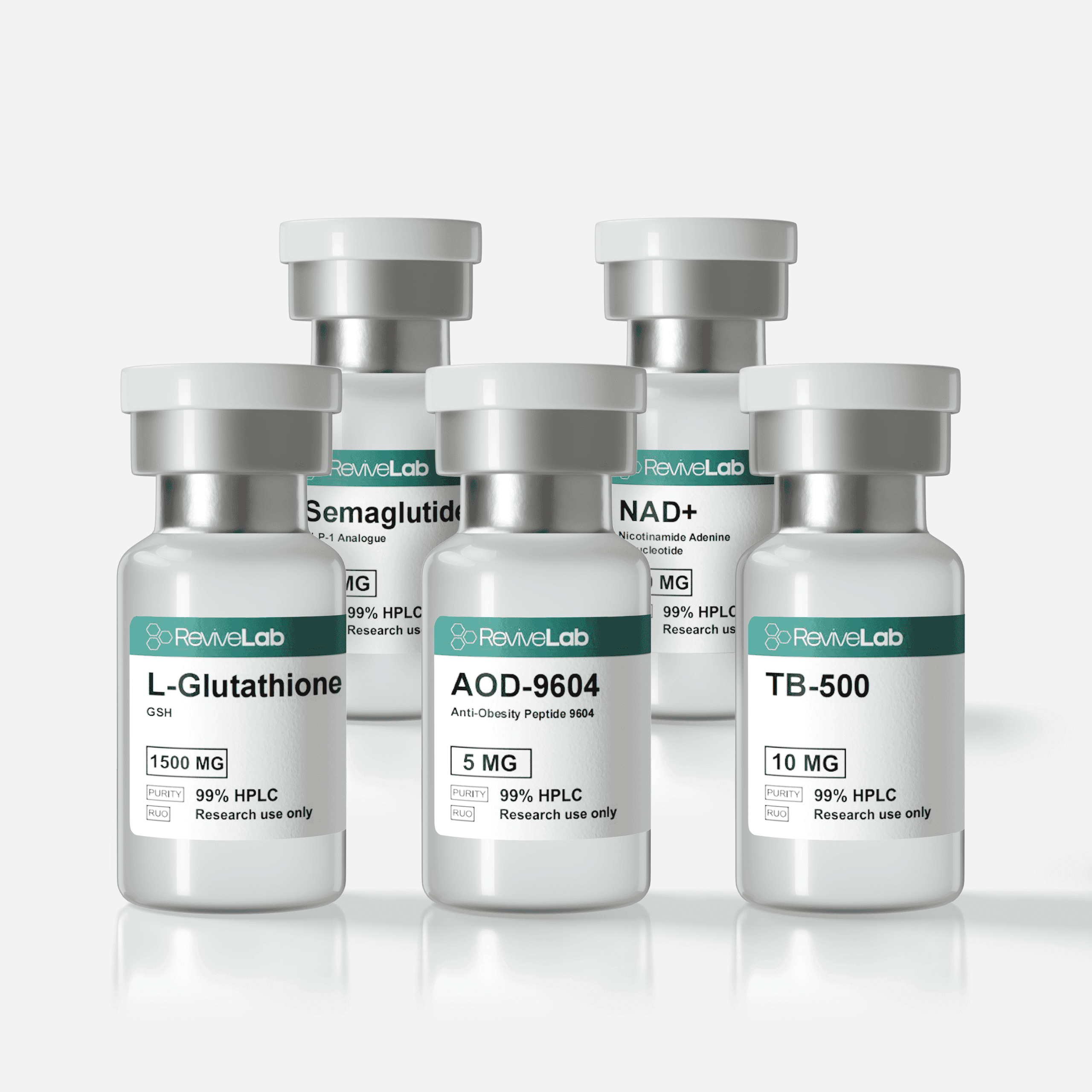
Semaglutide + NAD⁺ + Glutathione + AOD-9604 + TB-500
Original price was: $1,219.84.$1,158.84Current price is: $1,158.84.
Add to cart