Angiogenic & Regenerative Aesthetic Research Stack
Mechanistic Synergy for Research:
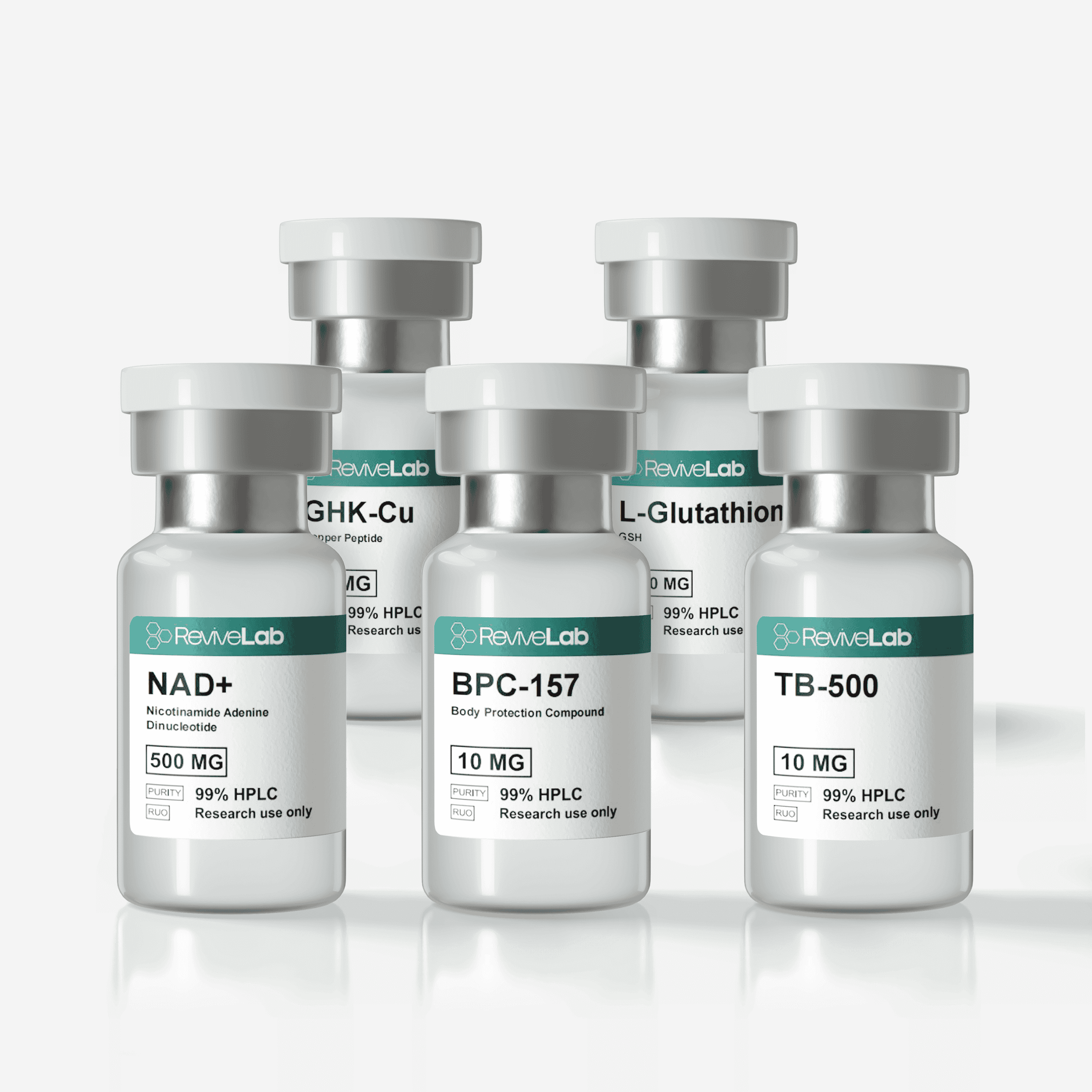
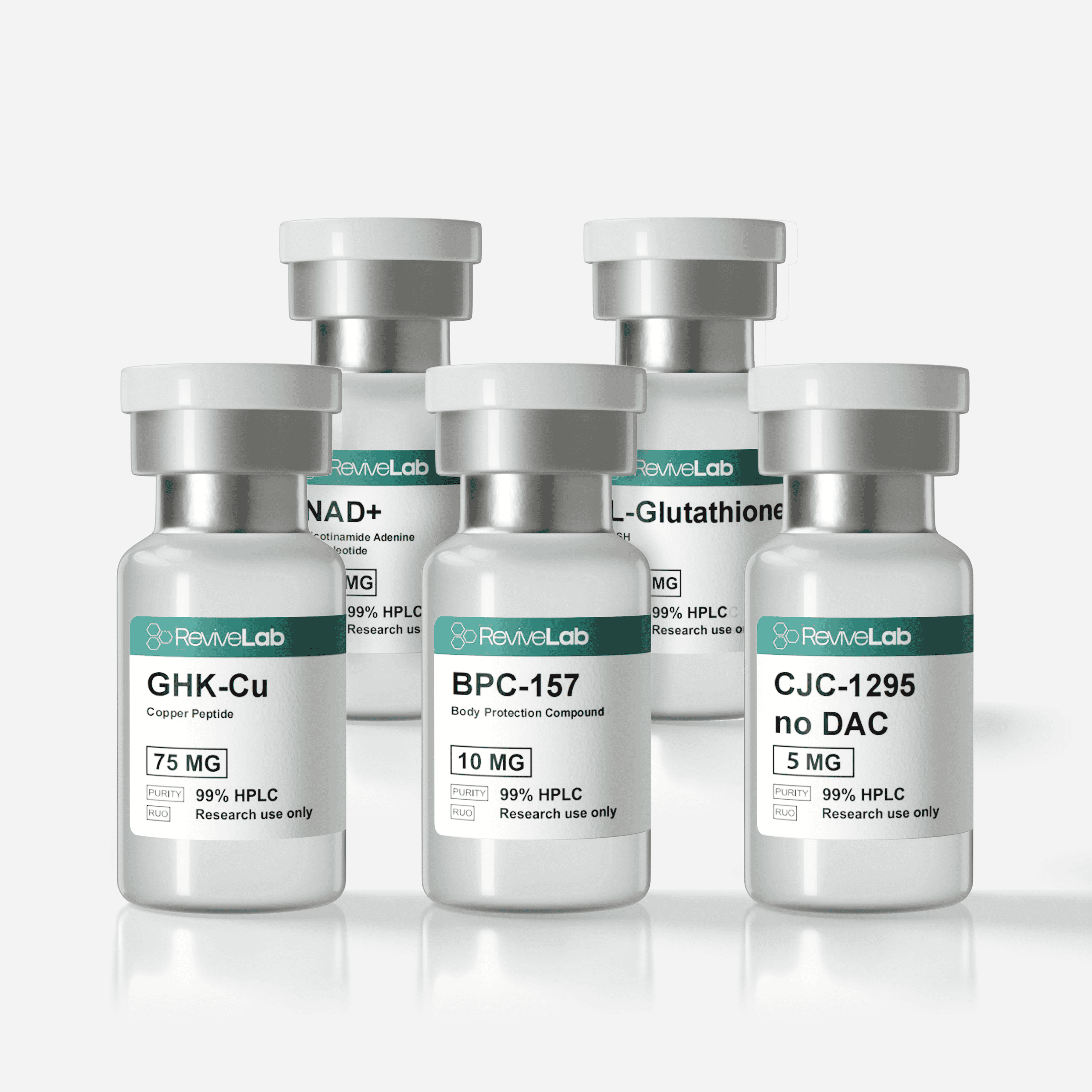
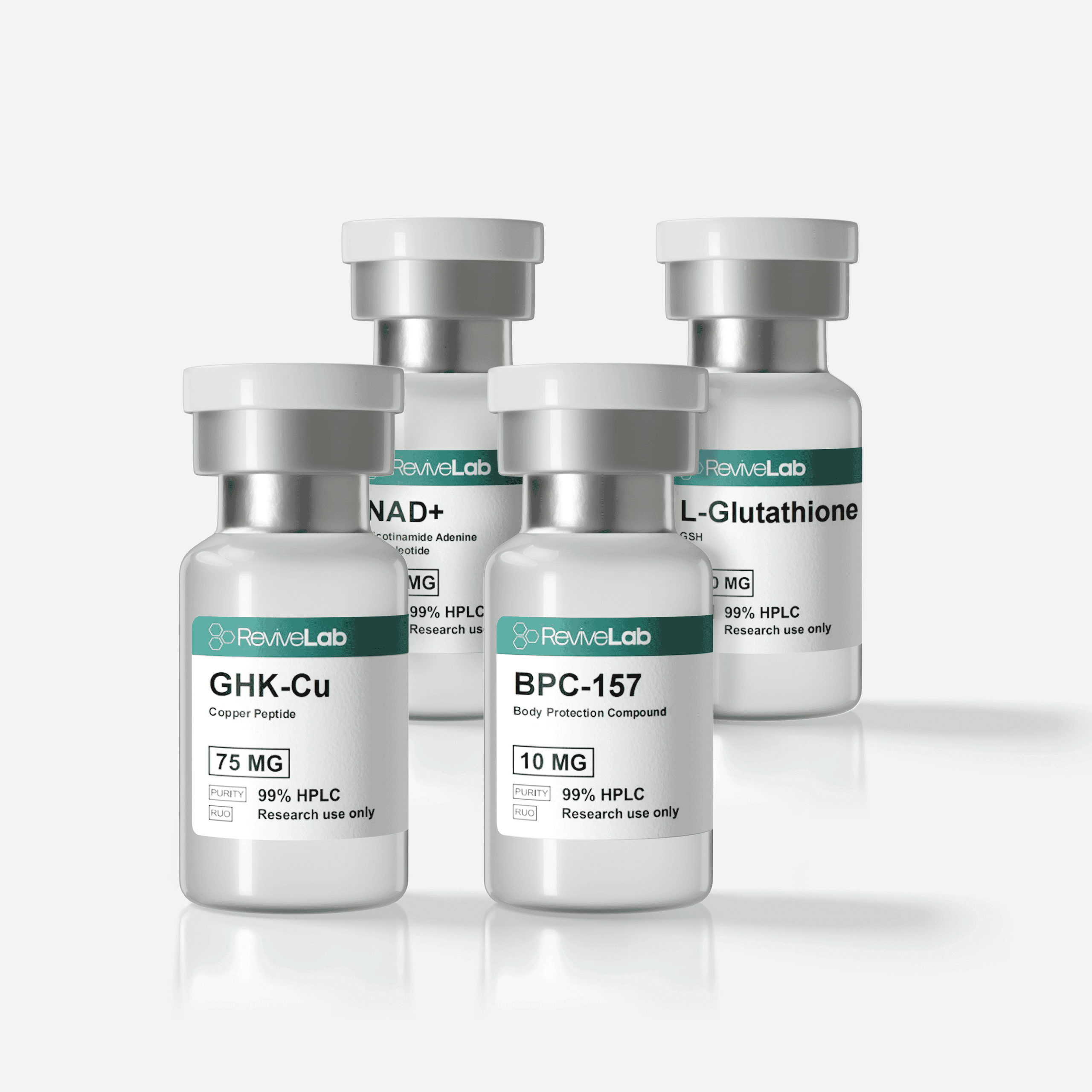
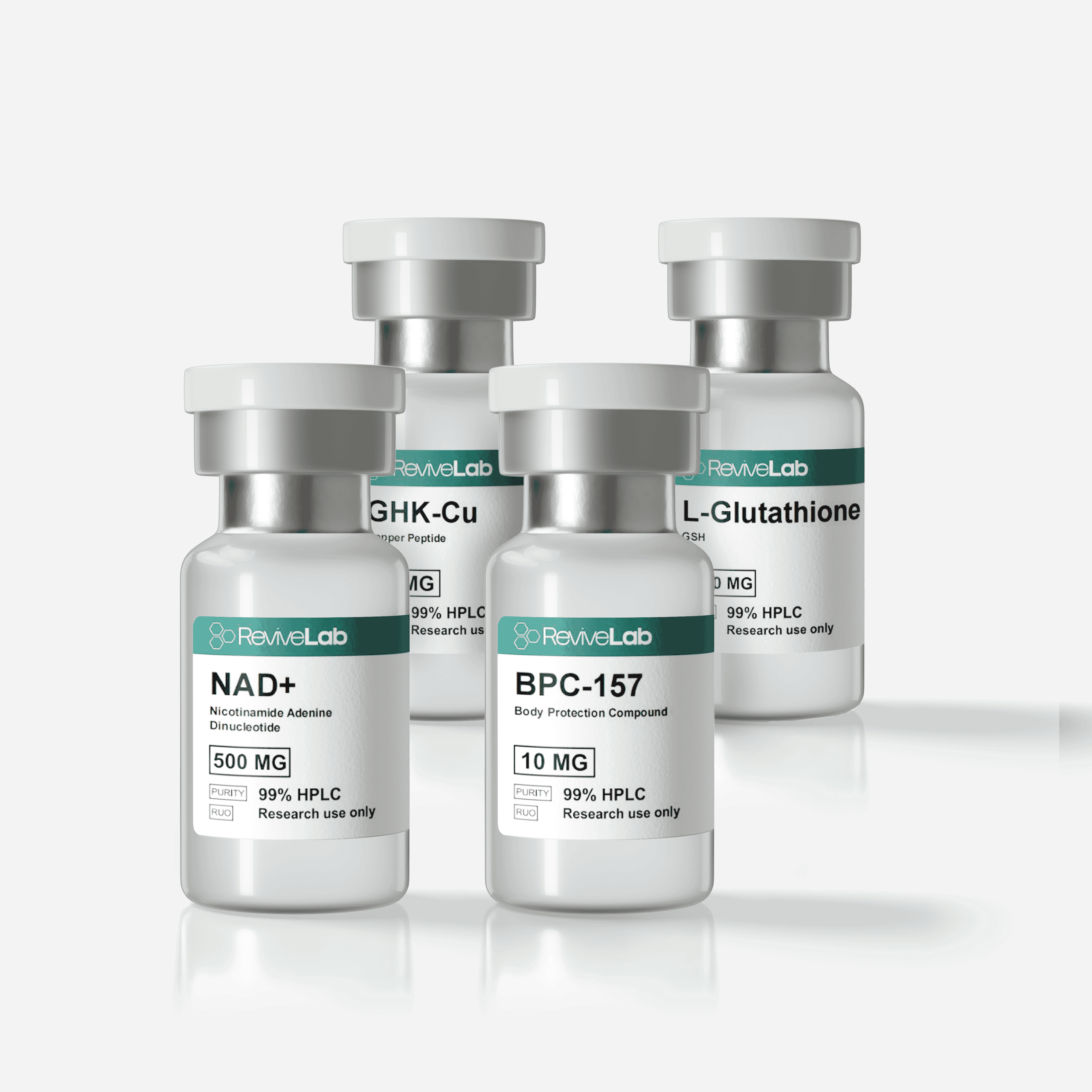
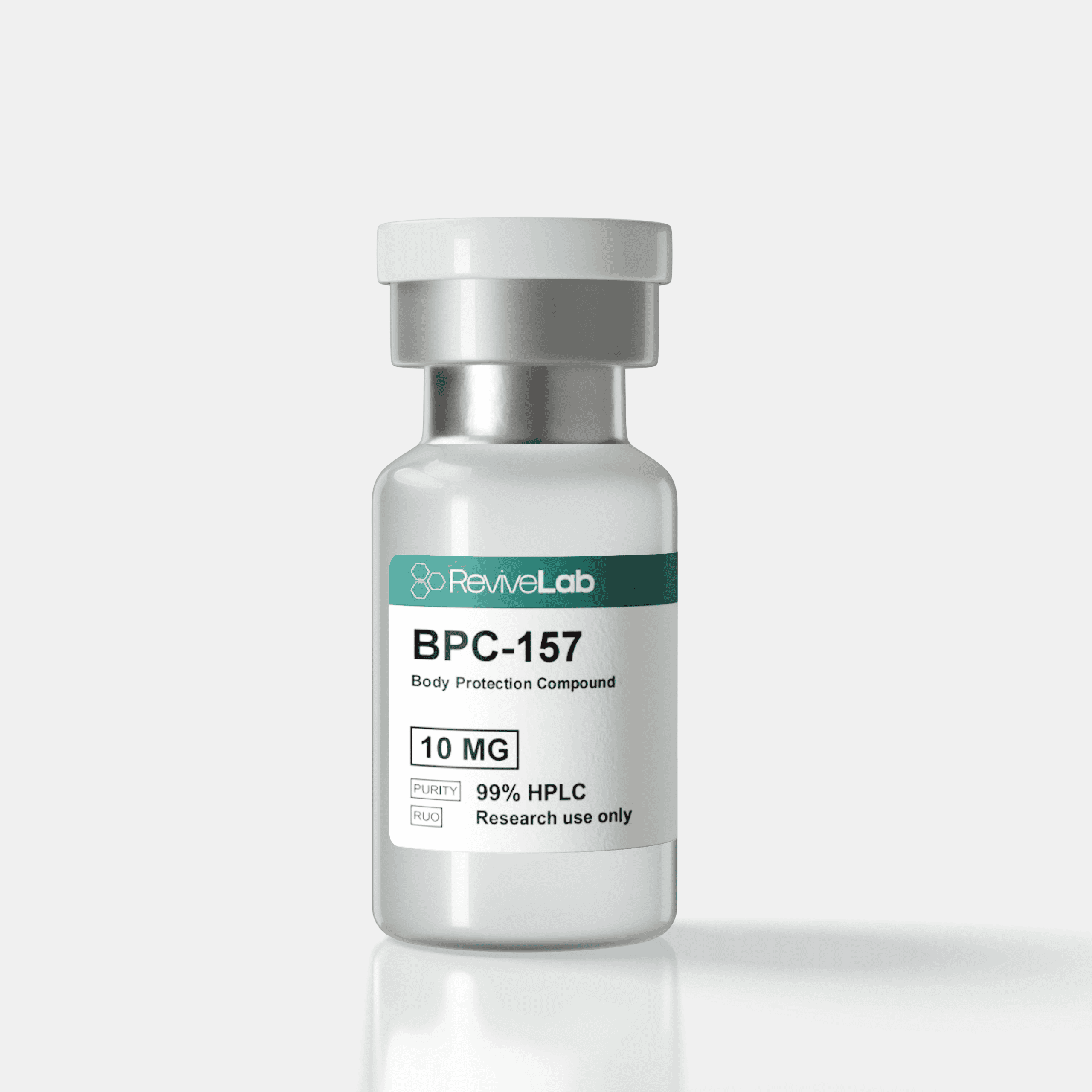
Adding BPC-157 introduces potent pro-angiogenic and regenerative signaling to support blood flow, dermal remodeling, and tissue recovery in aesthetic-focused studies.
- Vascularization & Microcirculation Enhancement:
BPC-157 upregulates VEGF, supporting new capillary growth within the dermal and subcutaneous matrix. This synergizes with NAD⁺-driven energy production and GHK-Cu’s structural ECM remodeling, yielding a pro-healing microenvironment. - Multi-Layer Tissue Remodeling:
While GHK-Cu promotes dermal matrix synthesis and glutathione defends against oxidative disruption, BPC-157 enhances epithelial turnover and fibroblast recruitment, facilitating multi-depth regeneration. - Skin Barrier and Nerve Integrity Support:
BPC-157 has shown protective effects on epithelial tight junctions and peripheral nerves. This supports studies on barrier repair, neurosensory recovery, and dermal nerve health. - Inflammation Modulation Across Pathways:
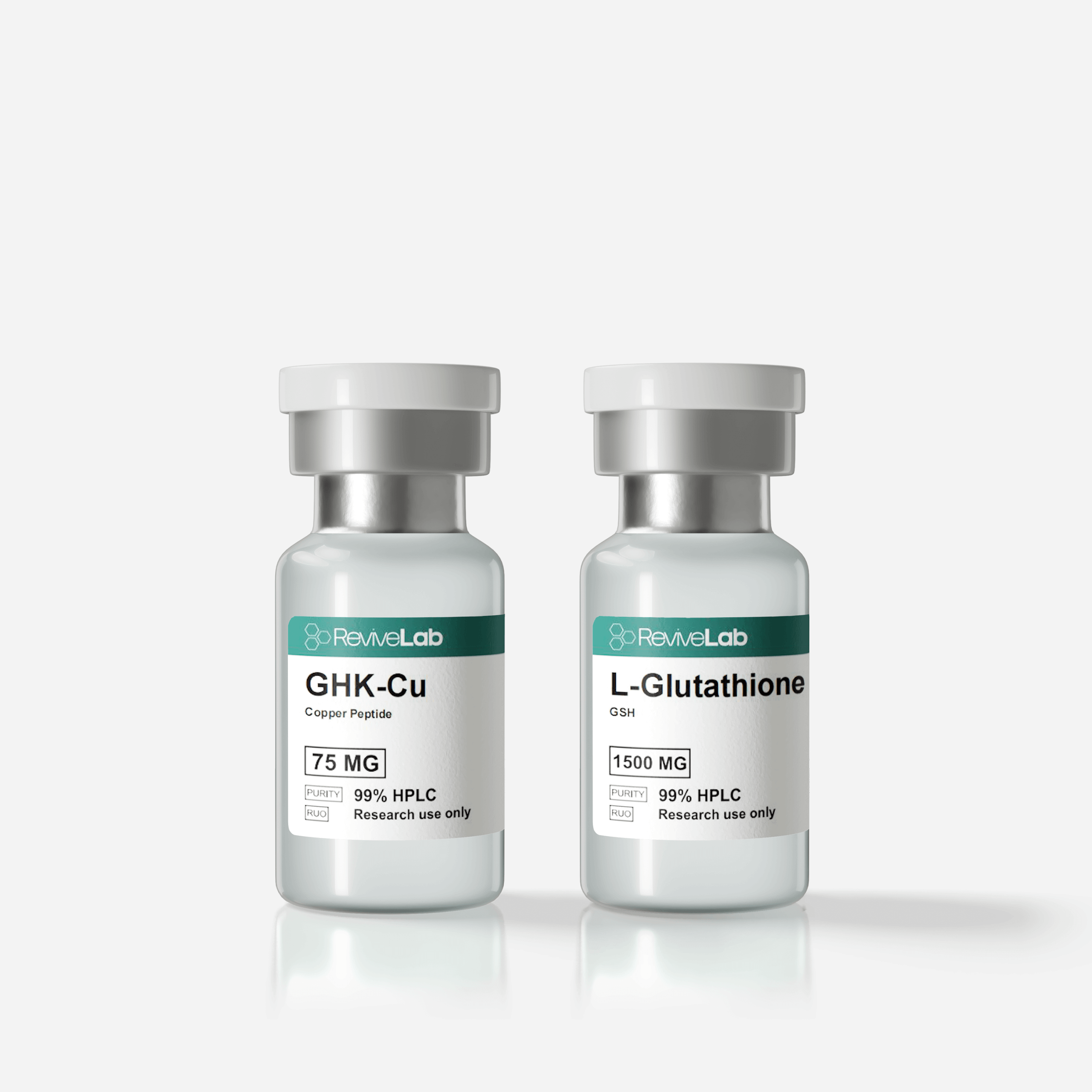
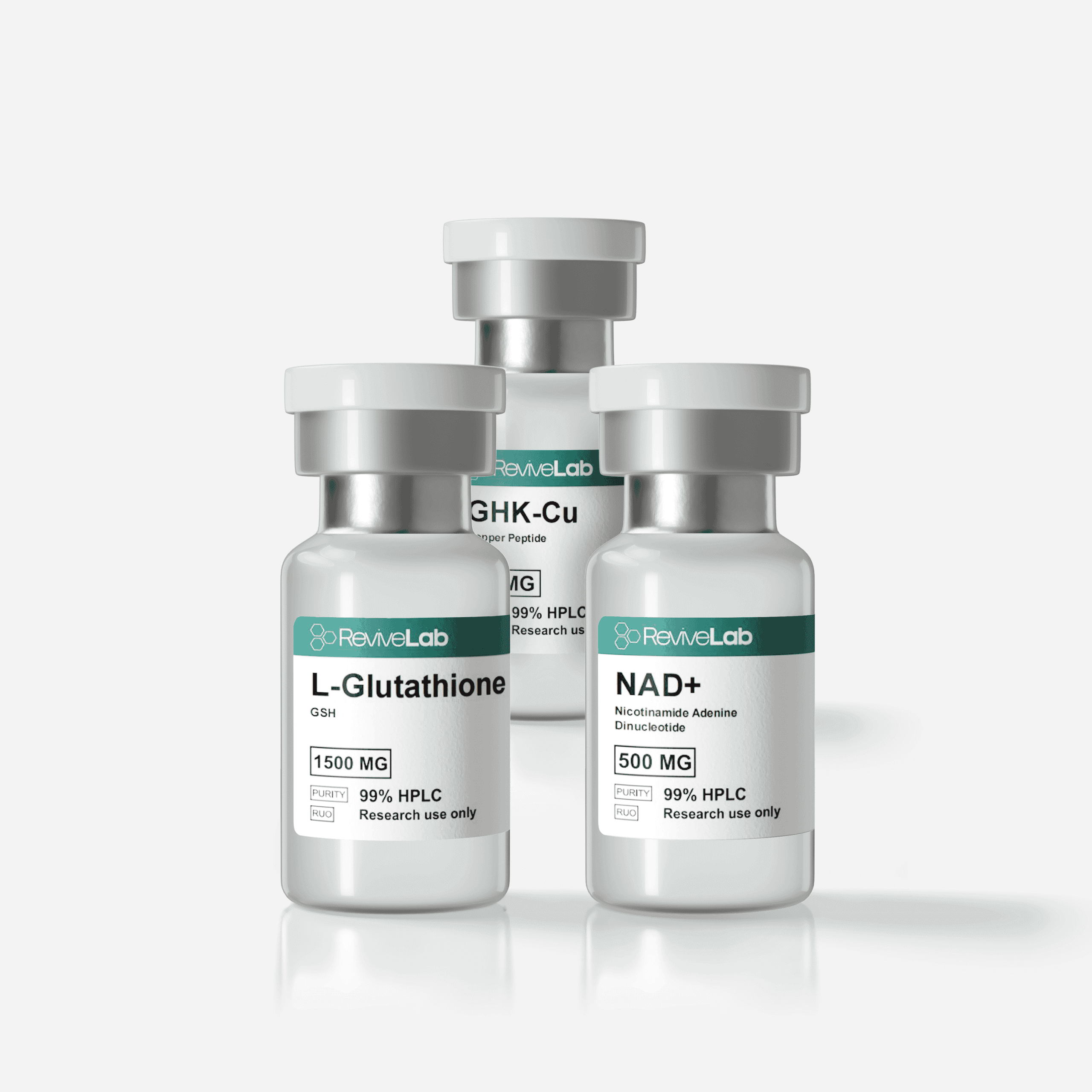
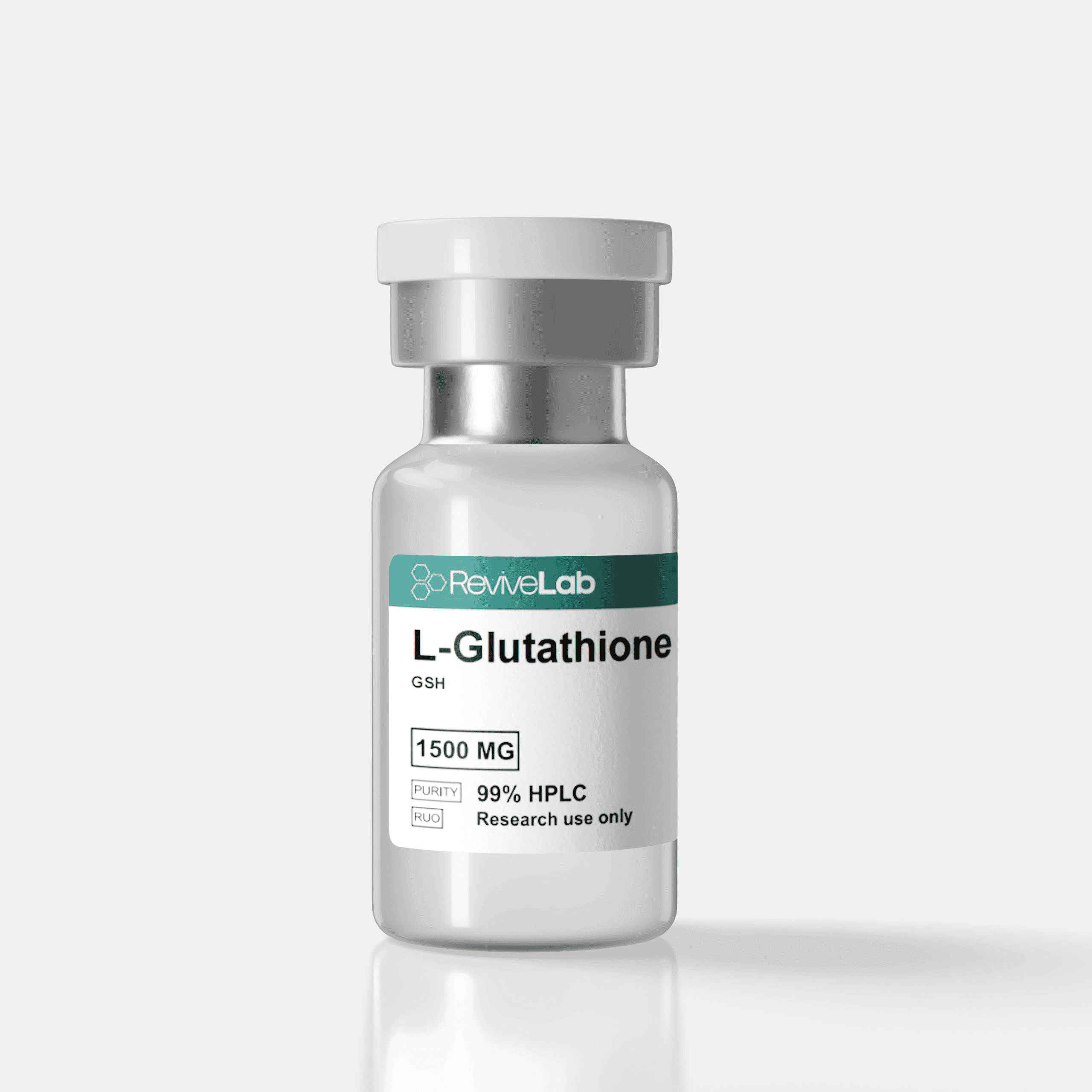
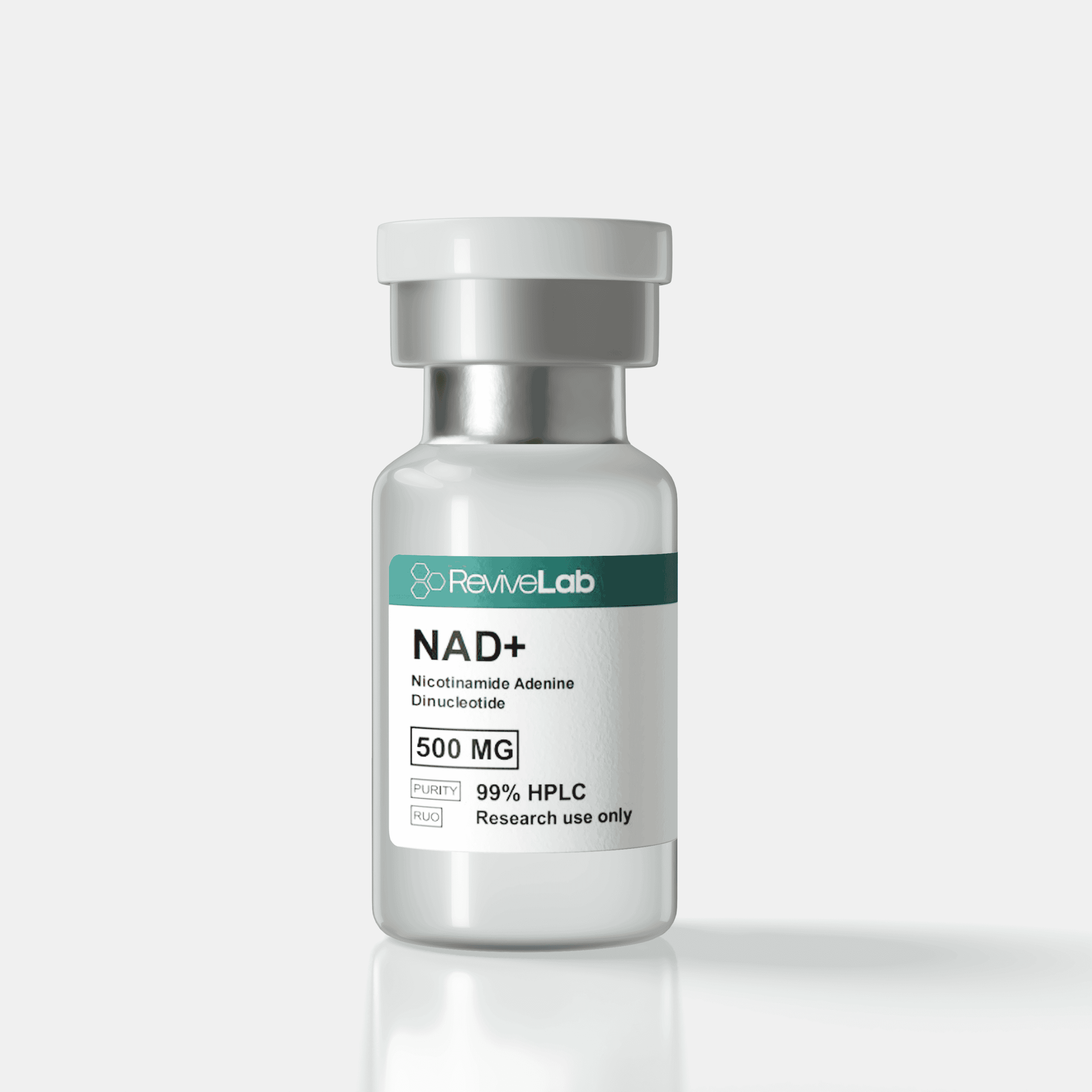
All four compounds regulate cytokine profiles via distinct mechanisms—BPC-157 via nitric oxide modulation, GHK-Cu via TGF-β balancing, NAD⁺ through sirtuins, and glutathione via redox signaling—offering multi-layered inflammation control in damaged or aging skin.
Best suited for:
Research involving dermal angiogenesis, photoaging reversal, skin barrier repair, and deep aesthetic regeneration.