Back to all products
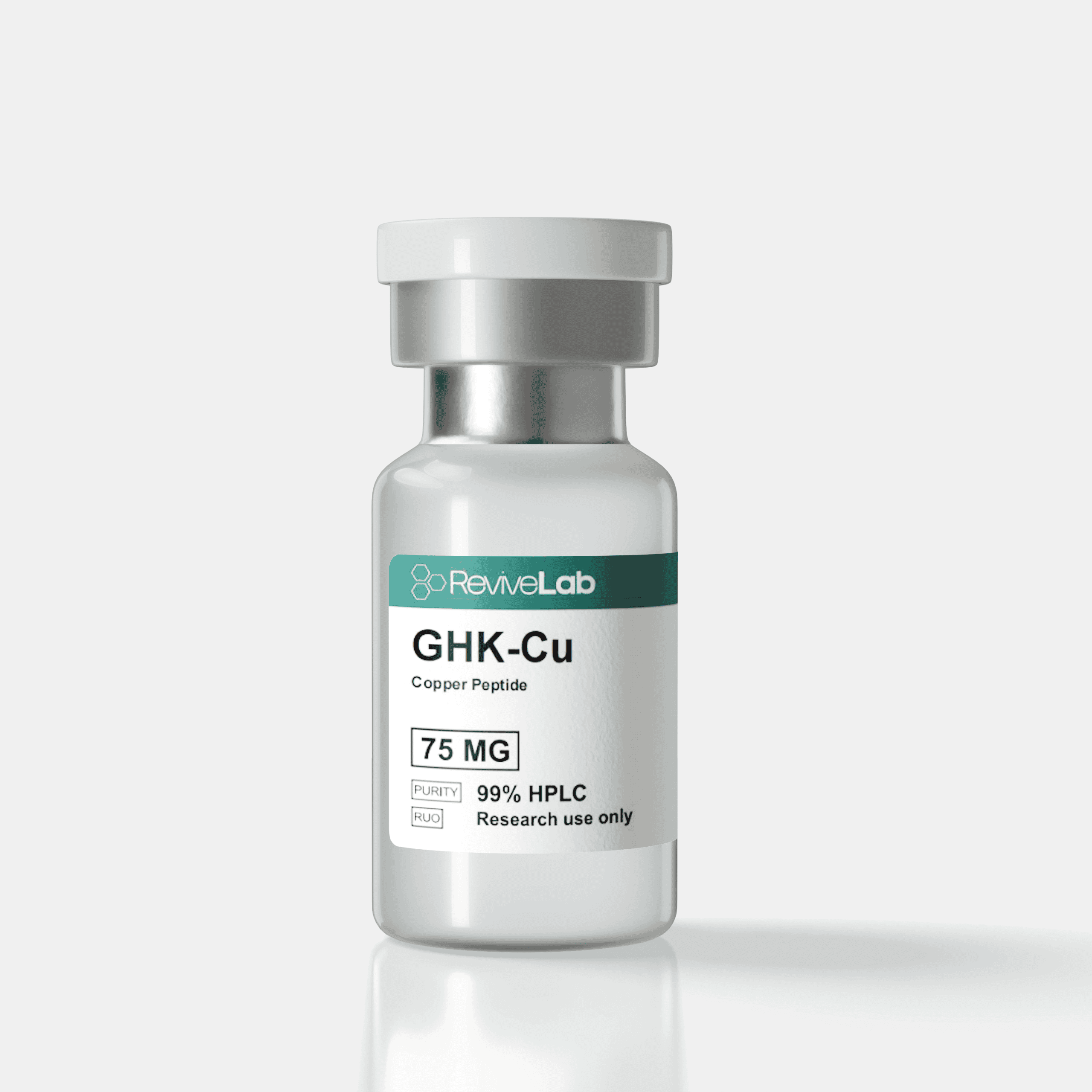
GHK-CU
GHK-Cu (Glycyl-L-Histidyl-L-Lysine Copper Complex) is a naturally occurring peptide that binds copper ions and is found in human plasma, saliva, and urine. It is widely studied for its role in tissue regeneration, wound healing, anti-inflammatory activity, and skin and hair rejuvenation. GHK-Cu has demonstrated the ability to stimulate collagen production, promote angiogenesis, modulate gene expression, and protect against oxidative stress in both preclinical and human studies. Its broad biological activity makes it a key molecule of interest in anti-aging, dermatological, and regenerative medicine research.
$59.99
Only 10 left in stock
Disclaimer: This compound is not intended for human or veterinary use. GHK-Cu is sold strictly for laboratory research purposes only. Any mention of effects is provided for educational information and relates solely to preclinical or experimental studies and does not imply efficacy in humans.
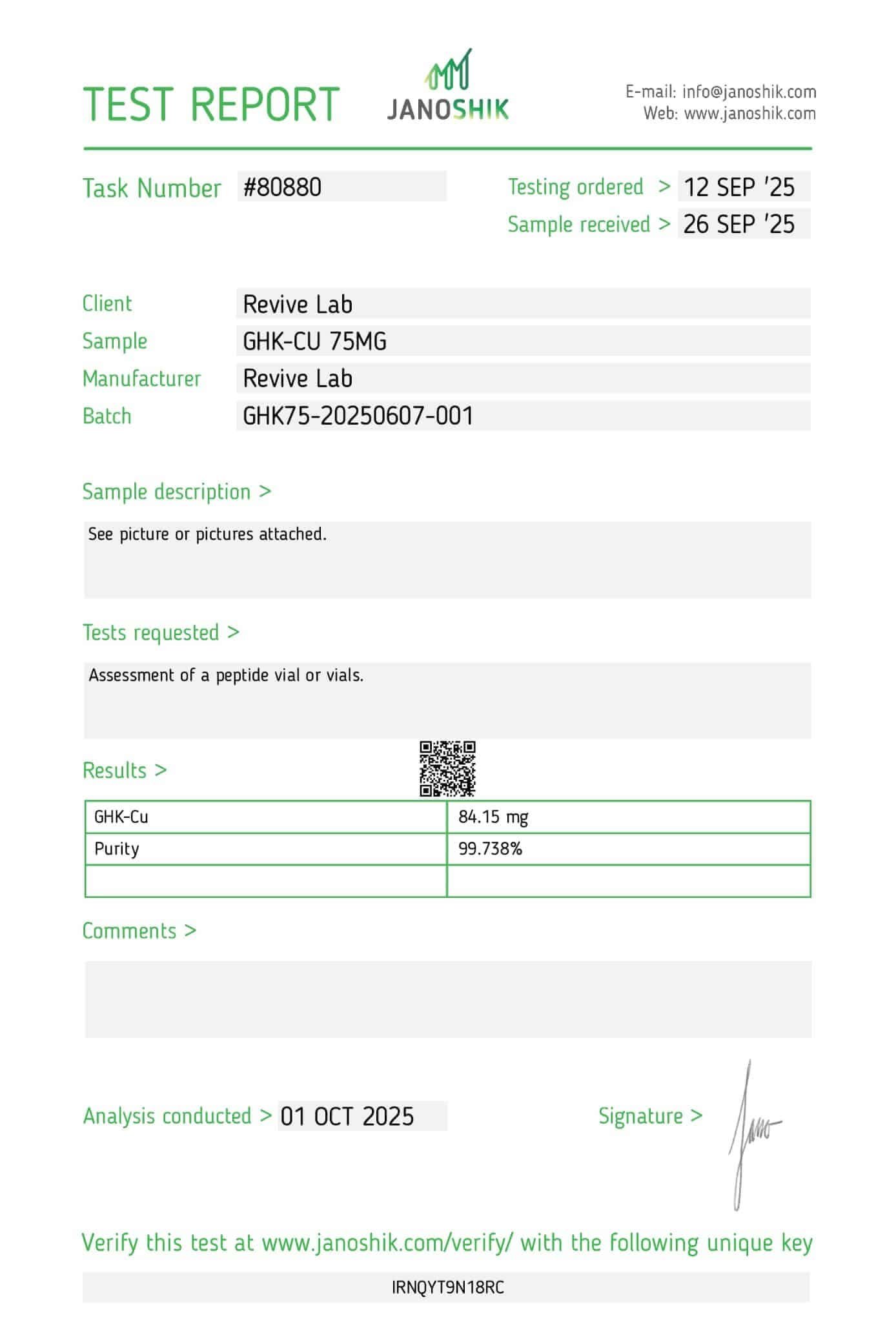
COA
GHK-Cu Summary
Tissue Regeneration & Wound Healing
- Stimulates production of collagen, elastin, and glycosaminoglycans for structural repair.
• Promotes re-epithelialization and granulation tissue formation in damaged skin and soft tissues.
• Enhances angiogenesis (new blood vessel growth) at injury sites.
• Accelerates healing in preclinical models of skin, corneal, gastric, and bone injuries.
Skin Rejuvenation & Cosmetic Research
- Increases skin firmness, elasticity, and thickness in photoaged or mature skin.
• Reduces fine lines, wrinkles, and hyperpigmentation in human clinical trials.
• Stimulates keratinocyte proliferation and skin barrier repair.
• Improves overall skin texture and appearance in topical cosmetic research.
Hair Growth & Follicle Health
- Expands hair follicle size and prolongs the anagen (growth) phase of the hair cycle.
• Promotes proliferation of dermal papilla and follicular stem cells.
• Supports reversal of follicle miniaturization in preclinical alopecia models.
• Enhances scalp health and density in animal studies and topical applications.
Inflammation Modulation
- Downregulates inflammatory cytokines (e.g., TNF-α, IL-6, TGF-β) in injured or aged tissues.
• Suppresses NF-κB and p38 MAPK inflammatory pathways.
• Reduces immune cell infiltration and edema in preclinical wound and lung injury models.
• Supports resolution-phase macrophage activity for proper tissue cleanup.
Antioxidant & Cellular Protection
- Scavenges reactive oxygen species (ROS) and protects cells from oxidative stress.
• Increases expression of antioxidant enzymes (e.g., superoxide dismutase).
• Chelates pro-oxidant metals (e.g., copper, iron), minimizing lipid peroxidation.
• Shields skin cells and DNA from UV-induced damage and photoaging.
Gene Expression & Epigenetic Modulation
- Alters expression of over 30% of human genes related to repair, inflammation, and aging.
• Upregulates regenerative genes (e.g., collagen, stem cell factors, antioxidant proteins).
• Downregulates pro-aging and pro-inflammatory genes (e.g., MMPs, IL-6, TNF pathways).
• Reprograms fibroblasts and epithelial cells toward a youthful, healing phenotype.
Cartilage & Connective Tissue Support
- Enhances synthesis of proteoglycans and collagen in cartilage models.
• Promotes joint surface regeneration and matrix restoration in osteoarthritis studies.
• Improves structural integrity of joints, tendons, and ligaments in preclinical research.
• Potential for use in experimental models of connective tissue aging and degeneration.
Anti-Fibrotic & Scar Remodeling
- Inhibits overactivation of myofibroblasts, reducing excess collagen deposition.
• Minimizes scarring in skin and cardiac tissues during regeneration.
• Promotes balanced ECM remodeling with reduced fibrosis.
• Encourages regeneration over scar formation in wound healing studies.
GHK-Cu Synergies & Additive Research Compounds
To maximize the utility of GHK-Cu in experimental models, researchers often combine it with compounds that enhance tissue regeneration, antioxidant protection, anti-inflammatory responses, or cosmetic rejuvenation pathways. These combinations are commonly used in studies of skin repair, wound healing, anti-aging, and hair follicle regeneration.
Below is a summary of notable GHK-Cu synergies validated in preclinical and clinical research:
GHK-Cu Synergistic Compounds
| Compound | Mechanism of Synergy | Relevant Research / Notes |
|---|---|---|
| BPC-157 | Promotes angiogenesis and fibroblast migration; complements GHK-Cu’s collagen-stimulating and anti-inflammatory activity. | Combined in wound-healing and surgical-recovery models to accelerate closure, reduce oxidative stress, and enhance tissue remodeling. |
| TB-500 (Thymosin Beta-4) | Mobilizes progenitor cells and supports cytoskeletal remodeling; synergizes with GHK-Cu to improve repair quality and minimize fibrosis. | Used together in tendon and dermal studies showing improved vascularization, collagen alignment, and reduced scarring. |
| KPV (Lys-Pro-Val) | Tripeptide fragment of α-MSH that suppresses NF-κB-driven inflammation; enhances GHK-Cu’s anti-inflammatory and antioxidant effects. | Investigated in inflammatory wound and gut-healing models to reduce cytokine activity and promote balanced tissue recovery. |
| IGF-1 LR3 | Drives anabolic and regenerative pathways in muscle and connective tissue; complements GHK-Cu’s collagen and ECM synthesis. | Dual-action pairing studied for post-injury regeneration—GHK-Cu enhances structural repair while IGF-1 supports cellular hypertrophy. |
| Thymosin Alpha-1 | Immune-modulating peptide reducing chronic inflammation; augments GHK-Cu’s wound-healing and vascular effects. | Research suggests co-administration may improve immune balance and accelerate repair in systemic injury models. |
| MOTS-C | Mitochondrial peptide that boosts energy metabolism and cellular resilience; works with GHK-Cu’s antioxidant gene activation. | Combined use explored in oxidative-stress and metabolic-recovery models to enhance cellular vitality and tissue protection. |
| Epitalon (Epithalon) | Regulates telomere maintenance and circadian rhythm; pairs with GHK-Cu’s rejuvenating and gene-repair effects. | Investigated in anti-aging research to support DNA repair, collagen renewal, and overall tissue longevity. |
| CJC-1295 (No DAC) | GHRH analog that elevates GH/IGF-1 levels; may amplify GHK-Cu’s regenerative and collagen-supporting outcomes. | Studied in combined metabolic and tissue-healing contexts to synergize growth-axis and extracellular-matrix pathways. |
| Glutathione | Master antioxidant tripeptide; reduces oxidative damage and complements GHK-Cu’s copper-mediated enzymatic defense. | Enhances cytoprotective capacity in dermal and systemic regeneration studies. |
Potential Research Use Cases for GHK-Cu Combinations
- Skin Repair & Anti-Aging Studies:
GHK-Cu + BPC-157 / TB-500 / EGF - Wound Healing Research:
GHK-Cu + KPV / Thymosin Alpha-1 / Glutathione - Hair Growth & Follicle Activation:
GHK-Cu + IGF-1 LR3 / CJC-1295 (No DAC) - Connective-Tissue & Scar Remodeling:
GHK-Cu + TB-500 / BPC-157 / KPV - Systemic Anti-Aging & Cellular Longevity Models:
GHK-Cu + Epitalon / MOTS-C / Glutathione
GHK-Cu Research
Below is a breakdown of major research-backed effects by physiological system, showcasing the peptide’s broad experimental utility:
Tissue Regeneration and Wound Healing
GHK-Cu is a naturally occurring copper-binding peptide known for its powerful wound-healing and regenerative properties. It is released from damaged collagen at injury sites and acts as a “repair signal” to activate regenerative pathways (Ref 1). At very low concentrations, GHK-Cu stimulates the production of collagen, elastin, proteoglycans (such as decorin), and angiogenesis, while also regulating metalloproteinases (MMPs) and their inhibitors (TIMPs), resulting in tissue remodeling without fibrosis (Ref 9; Ref 1). In animal models, GHK-Cu accelerates wound contraction, granulation tissue formation, and vascularization. In diabetic wound models, it increased collagen production up to 9-fold and boosted antioxidant levels in the wound bed (Ref 1). Systemically administered GHK-Cu also enhanced healing in distant injuries, suggesting systemic regenerative signaling (Ref 9).
Skin Repair and Anti-Aging Cosmetic Research
GHK-Cu is among the most well-studied peptides in skin rejuvenation. Clinical studies consistently show it improves skin firmness, elasticity, and density, while reducing fine lines, hyperpigmentation, and wrinkle depth. In a 12-week clinical trial, GHK-Cu significantly improved aged skin more effectively than vitamin C or retinoic acid (Ref 1). A double-blind comparison trial revealed that GHK-Cu reduced wrinkle volume by 55.8% more than placebo and outperformed Matrixyl® formulations (Ref 6). Histological data confirmed increased collagen I, dermal hydration, and elastic fiber content, while GHK-Cu also stimulated basal-cell integrins and p63, restoring a more stem-like regenerative phenotype (Ref 1). GHK-Cu has shown no adverse effects in trials up to 12 weeks (Ref 5).
Hair Follicle Stimulation
GHK-Cu supports hair-follicle enlargement, prolongs the anagen (growth) phase, and stimulates follicular stem cells. In animal models, it improved hair-shaft thickness and follicle size with a superior safety profile compared to standard treatments (Ref 4). It enhances the health of dermal papilla cells and promotes regeneration of miniaturized follicles, a hallmark of androgenic alopecia. Advanced delivery systems (e.g., ionic microemulsions) have been shown to triple GHK-Cu’s transdermal penetration, enhancing its effects on the scalp (Ref 4).
Anti-Inflammatory and Protective Actions
GHK-Cu exhibits significant anti-inflammatory activity by lowering TNF-α, IL-6, and other cytokines, while inhibiting NF-κB and p38 MAPK signaling pathways (Ref 3). It reduces inflammatory infiltration and edema in lung, skin, and wound models. In models of acute lung injury, GHK-Cu prevented tissue degradation and immune overactivation. Additionally, GHK-Cu supports inflammation resolution by aiding macrophage recruitment for debris clearance and initiating tissue remodeling (Ref 3). In studies on fibroblasts derived from COPD patients, GHK-Cu restored normal cellular function and reduced inflammation-associated gene expression (Ref 7).
Antioxidant and Cell-Protective Effects
GHK-Cu provides protection against oxidative stress by enhancing superoxide dismutase (SOD) activity and reducing reactive oxygen species (ROS) (Ref 8; Ref 3). It neutralizes toxic by-products such as acrolein and malondialdehyde, prevents lipid peroxidation, and shields keratinocytes from UVB-induced damage (Ref 1). GHK-Cu also activates the proteasome, promoting the removal of oxidized proteins and damaged cellular components (Ref 1).
Gene Modulation and Systemic Effects
One of GHK-Cu’s most powerful mechanisms is genetic reprogramming. Research shows it can modulate over 30% of human genes by at least 50%, up-regulating genes linked to repair, regeneration, and antioxidant defenses, while down-regulating those tied to inflammation and apoptosis (Ref 2). In aged fibroblasts and COPD-derived cells, GHK-Cu restored a youthful gene-expression profile and improved cellular function (Ref 7). This broad-scale rebalancing of gene expression supports systemic applications in organ protection, stem-cell regulation, and anti-aging research.
Safety and Compliance
GHK-Cu has been found to be non-toxic in cell-culture and well tolerated in human trials. No irritation, immunogenicity, or adverse events were reported in long-term skin-application studies (Ref 5). Animal studies confirm systemic GHK-Cu administration is safe, even at high doses (Ref 1). However, it is important to note that GHK-Cu is not an approved drug and is provided strictly for laboratory research use only. All effects described are based on pre-clinical studies or limited human data under controlled research conditions.
GHK-Cu Research References
| Ref. No. | Study / Source | Focus / Key Findings | Link |
|---|---|---|---|
| 1 | Pickart L., Vasquez-Soltero J., & Margolina A. (2015). GHK Peptide as a Natural Modulator of Multiple Cellular Pathways in Skin Regeneration. | Comprehensive review of GHK-Cu’s roles in wound healing, collagen / elastin synthesis, MMP / TIMP balance, and systemic regenerative signaling. | PubMed |
| 2 | Pickart L., & Margolina A. (2018). Regenerative and Protective Actions of the GHK-Cu Peptide in the Light of the New Gene Data. | Describes modulation of > 30 % of the human genome by GHK-Cu — up-regulating repair / antioxidant genes and down-regulating inflammatory / apoptotic ones. | PubMed |
| 3 | Park J.R., et al. (2016). The Tripeptide GHK-Cu Complex Ameliorates Lipopolysaccharide-Induced Acute Lung Injury in Mice. | Demonstrates strong anti-inflammatory and antioxidant actions via NF-κB / p38 MAPK inhibition; ↓ TNF-α and IL-6 in ALI models. | PubMed |
| 4 | Liu T., et al. (2023). Thermodynamically Stable Ionic Liquid Microemulsions for Enhanced Topical Delivery of GHK-Cu. | Shows 3× transdermal penetration and hair-growth promotion via Wnt/β-catenin activation in murine models. | PubMed |
| 5 | Margolina A., & Pickart L. (2018). Skin Regenerative and Anti-Cancer Actions of Copper Peptides. | Peer-reviewed MDPI cosmetics paper covering dermal repair, anti-inflammatory and oncopreventive mechanisms of GHK-Cu. | MDPI |
| 6 | Badenhorst T., et al. (2016). Effects of GHK-Cu on MMP and TIMP Expression, Collagen and Elastin Production, and Facial Wrinkle Parameters. | Double-blind cosmetic trial showing 55.8 % greater wrinkle reduction vs placebo and enhanced collagen / elastin synthesis. | WalshMed(PDF) |
| 7 | Campbell J.D., et al. (2012). A Gene Expression Signature of Emphysema-Related Lung Destruction and Its Reversal by the Tripeptide GHK. Genome Medicine 4:67. | In COPD fibroblasts, GHK reversed disease-associated gene expression and restored collagen contraction capacity. | PubMed |
| 8 | Pickart L., Vasquez-Soltero J.M., & Margolina A. (2012). The Human Tripeptide GHK-Cu in Prevention of Oxidative Stress and Degenerative Conditions of Aging: Implications for Cognitive Health. Oxidative Medicine and Cellular Longevity. | Summarizes antioxidant and anti-inflammatory effects of GHK-Cu including ↑ SOD and ↓ ROS in pre-clinical models. | PubMed |
| 9 | Pickart L. (2008). The Human Tripeptide GHK and Tissue Remodeling. Journal of Biomaterials Science, Polymer Edition. | Describes GHK-Cu’s regulation of MMPs, TIMPs and collagen remodeling for scar and wound healing. | PubMed |
Stack With
Sale!
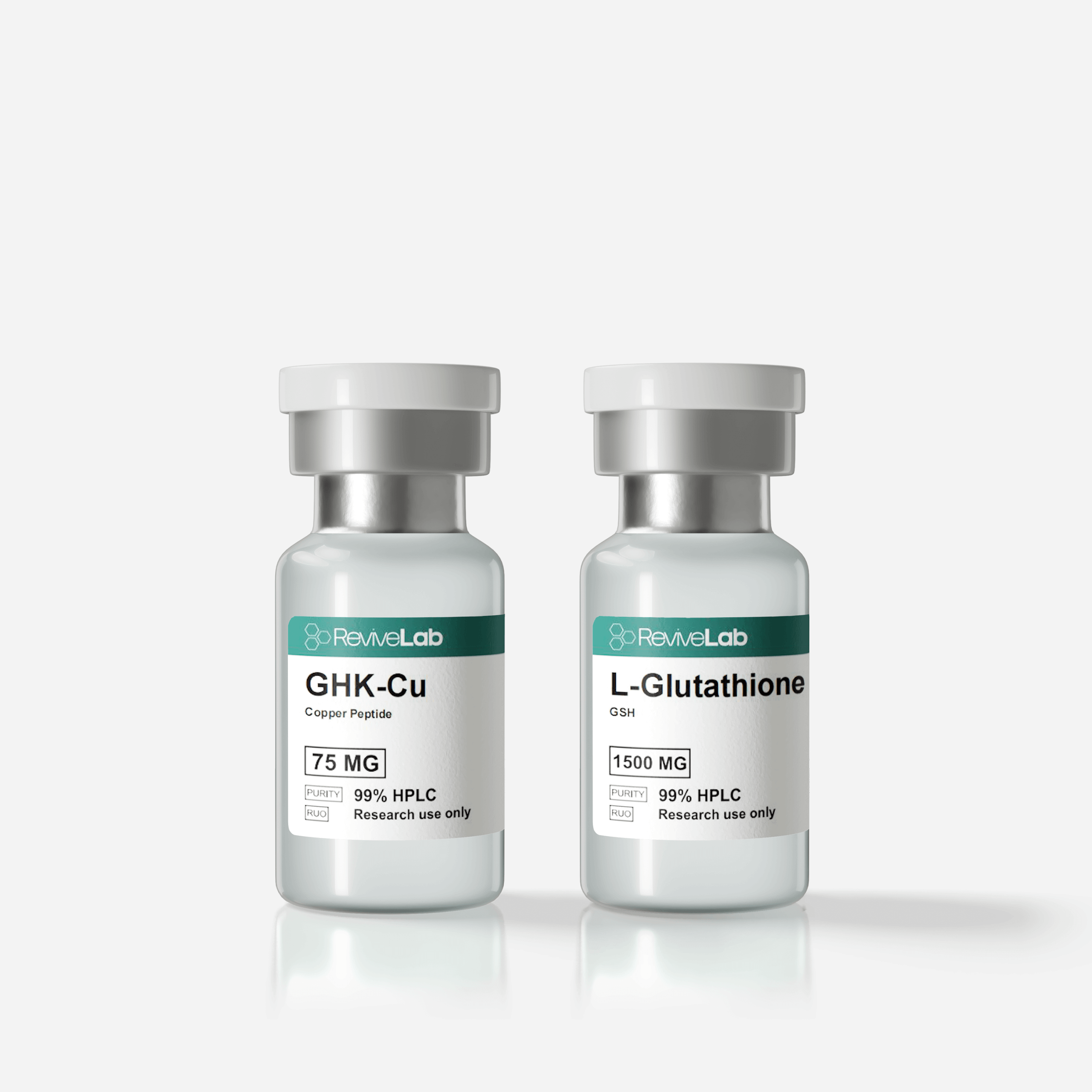
GHK-Cu + Glutathione
Original price was: $299.96.$284.96Current price is: $284.96.
Add to cart
Sale!
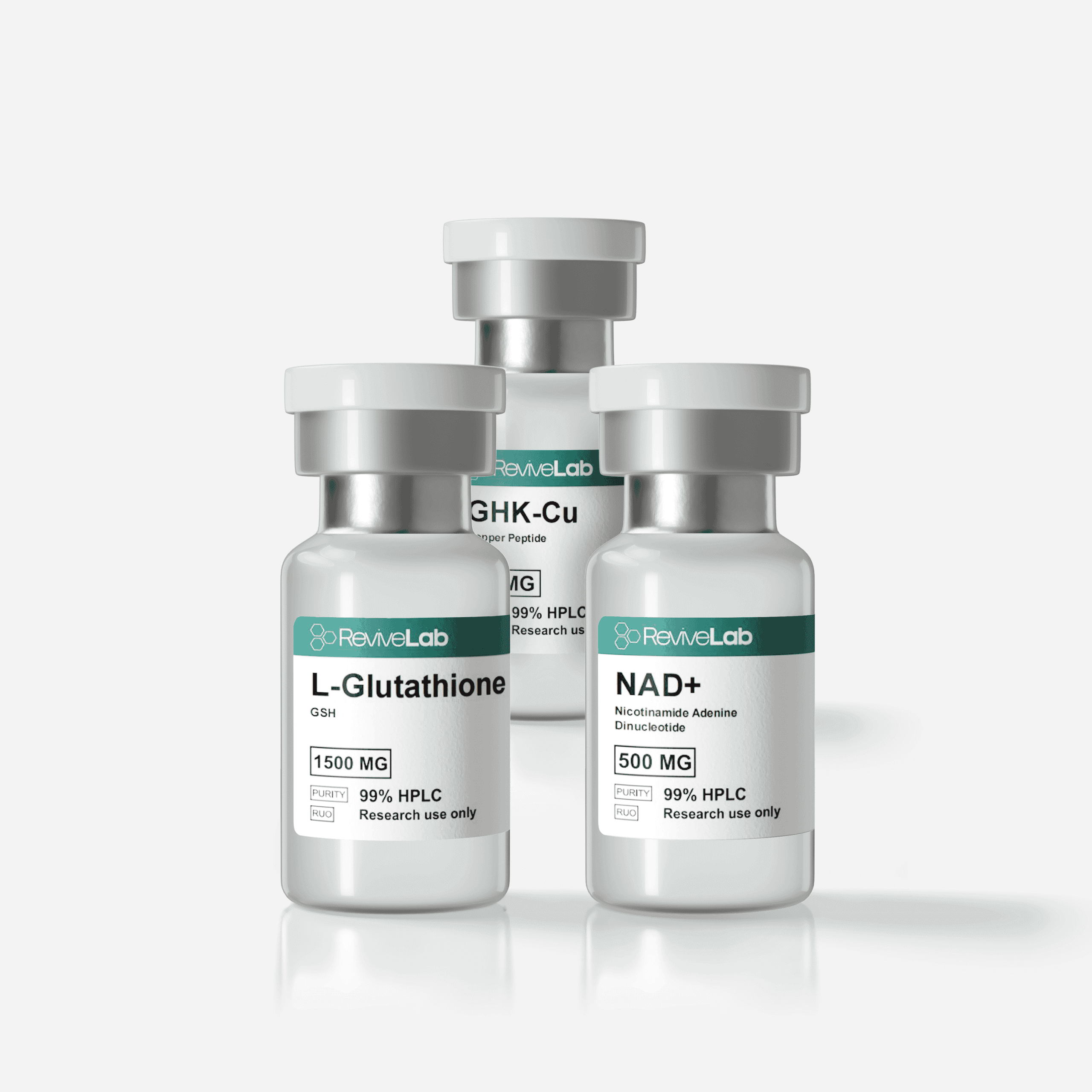
GHK-Cu + Glutathione + NAD⁺
Original price was: $599.93.$569.93Current price is: $569.93.
Add to cart
Sale!
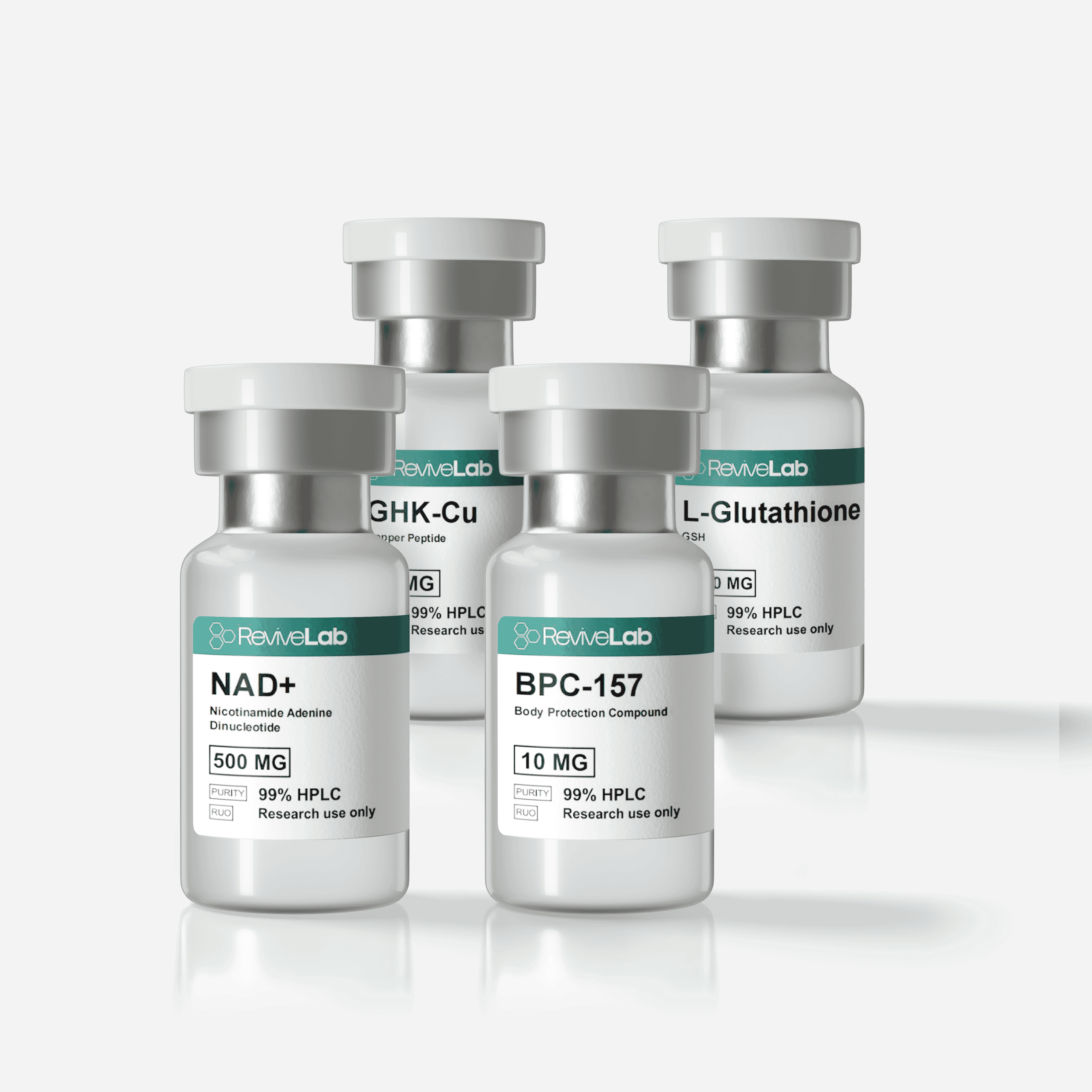
GHK-Cu + Glutathione + NAD⁺ + BPC-157
Original price was: $879.89.$835.89Current price is: $835.89.
Add to cart
Sale!
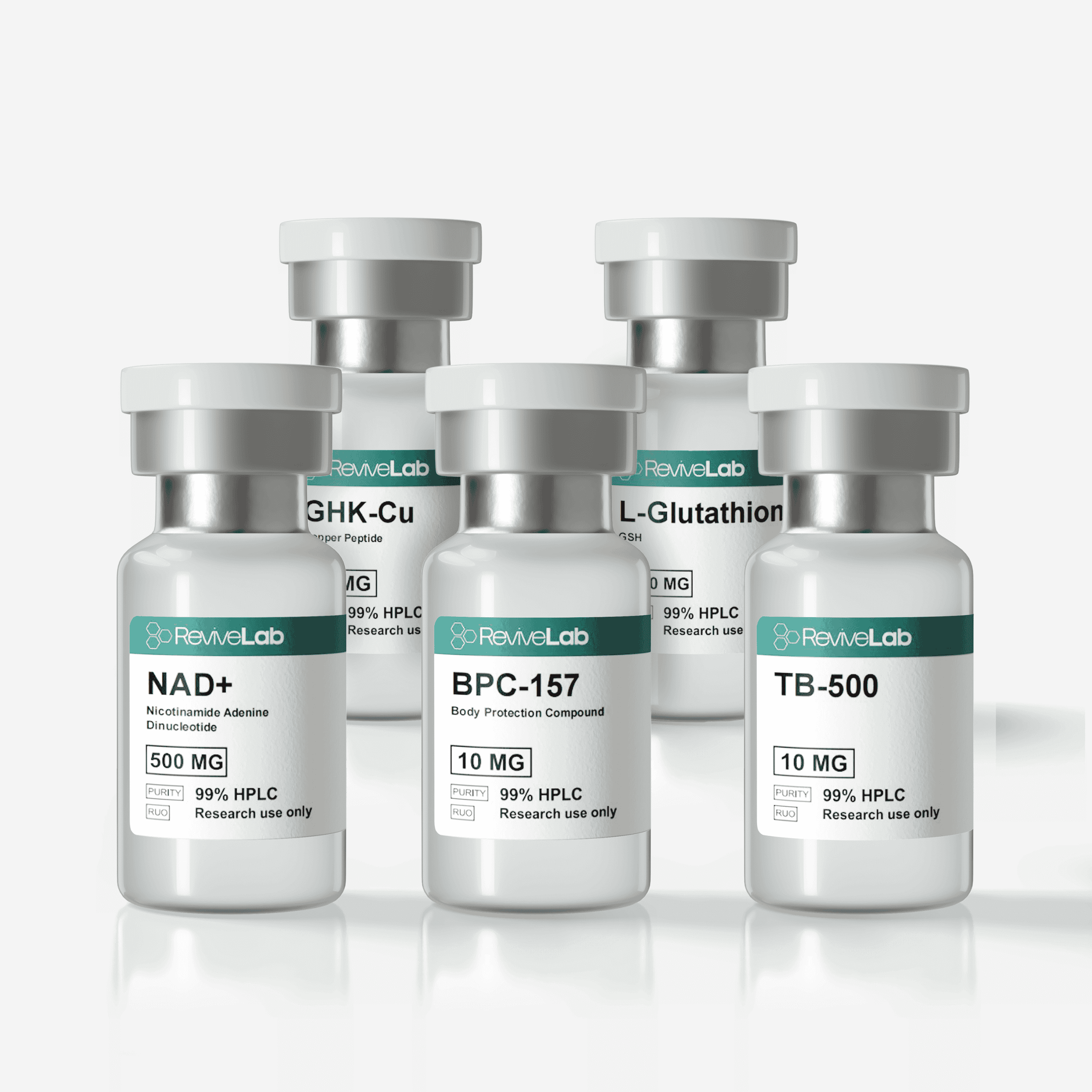
GHK-Cu + Glutathione + NAD⁺ + BPC-157 + TB-500
Original price was: $1,199.85.$1,139.85Current price is: $1,139.85.
Add to cart
Sale!
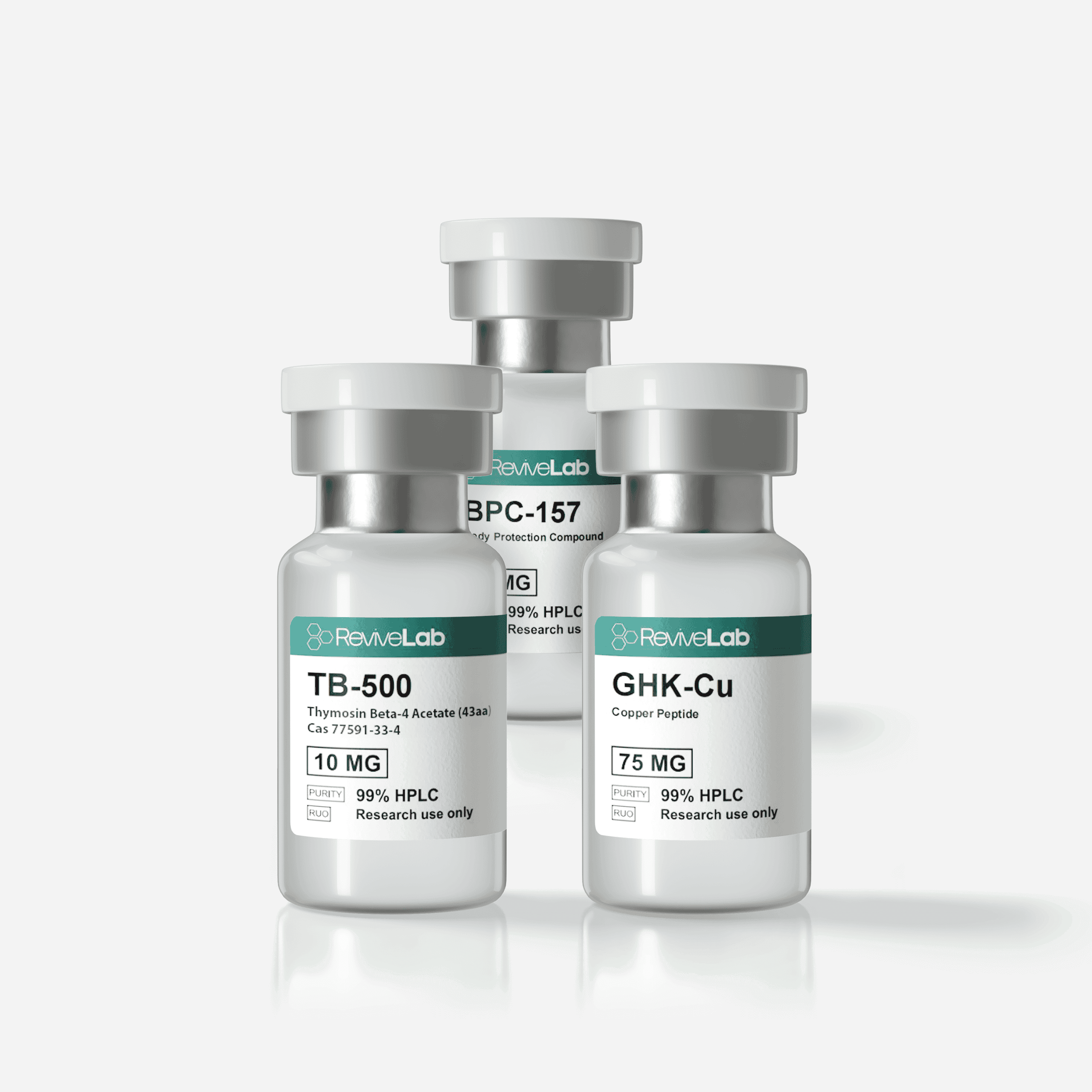
BPC-157 + TB-500 + GHK-Cu
Original price was: $659.91.$626.91Current price is: $626.91.
Add to cart