Back to all products
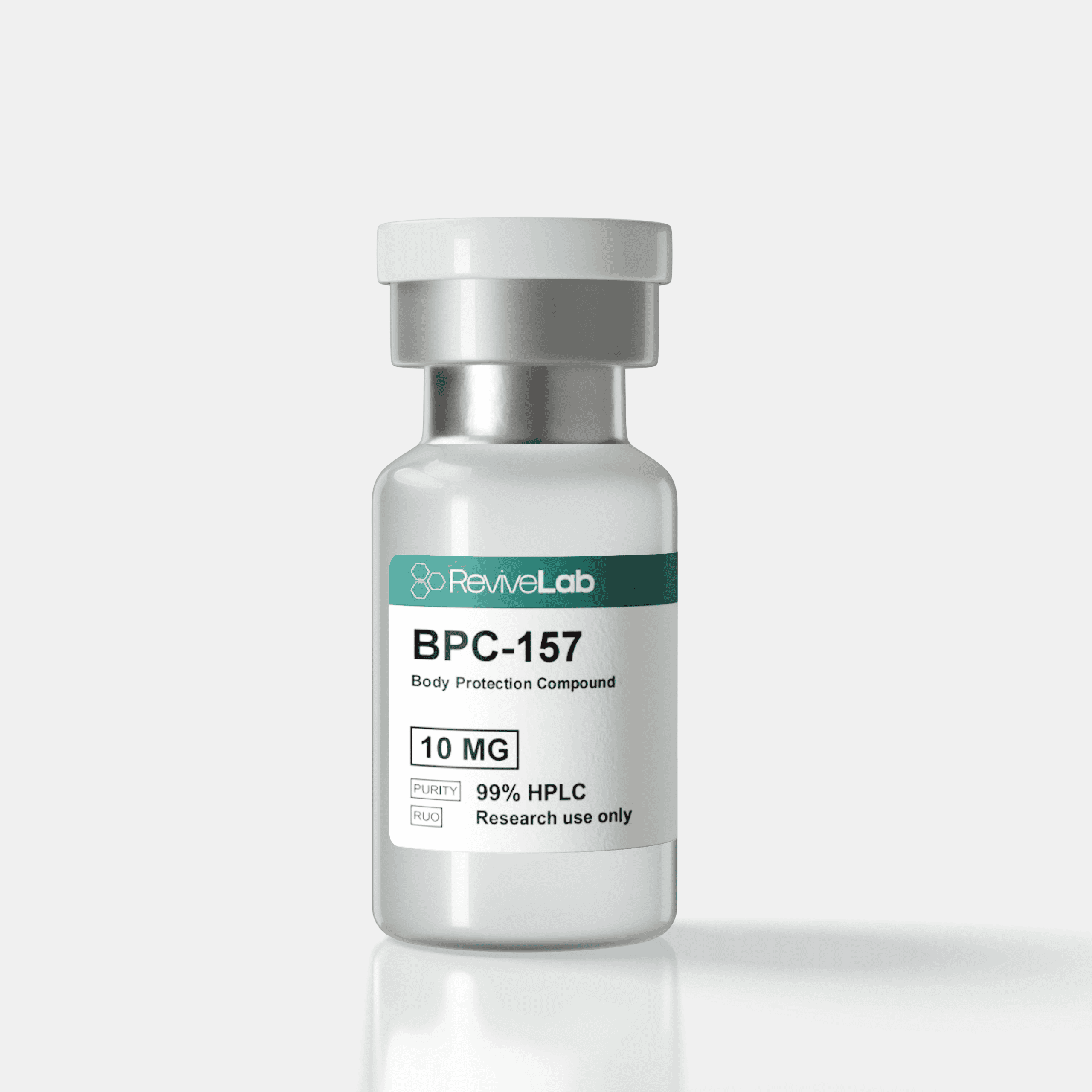
BPC-157
BPC-157 (Body Protective Compound-157) is a synthetic peptide derived from a protective protein found in human gastric juice. It is widely studied in preclinical research for its potent tissue-healing, anti-inflammatory, and angiogenic properties. BPC-157 has shown the ability to support muscle, tendon, ligament, nerve, and gastrointestinal repair in animal models. It is also investigated for its role in modulating the brain-gut axis, reducing oxidative stress, and promoting vascular regeneration. Its unique multi-system activity makes it a promising compound in regenerative medicine research.
$69.99
In stock
Disclaimer: This compound is not intended for human or veterinary use. BPC-157 is sold strictly for laboratory research purposes only. Any mention of effects is provided for educational information and relates solely to preclinical or experimental studies and does not imply efficacy in humans.
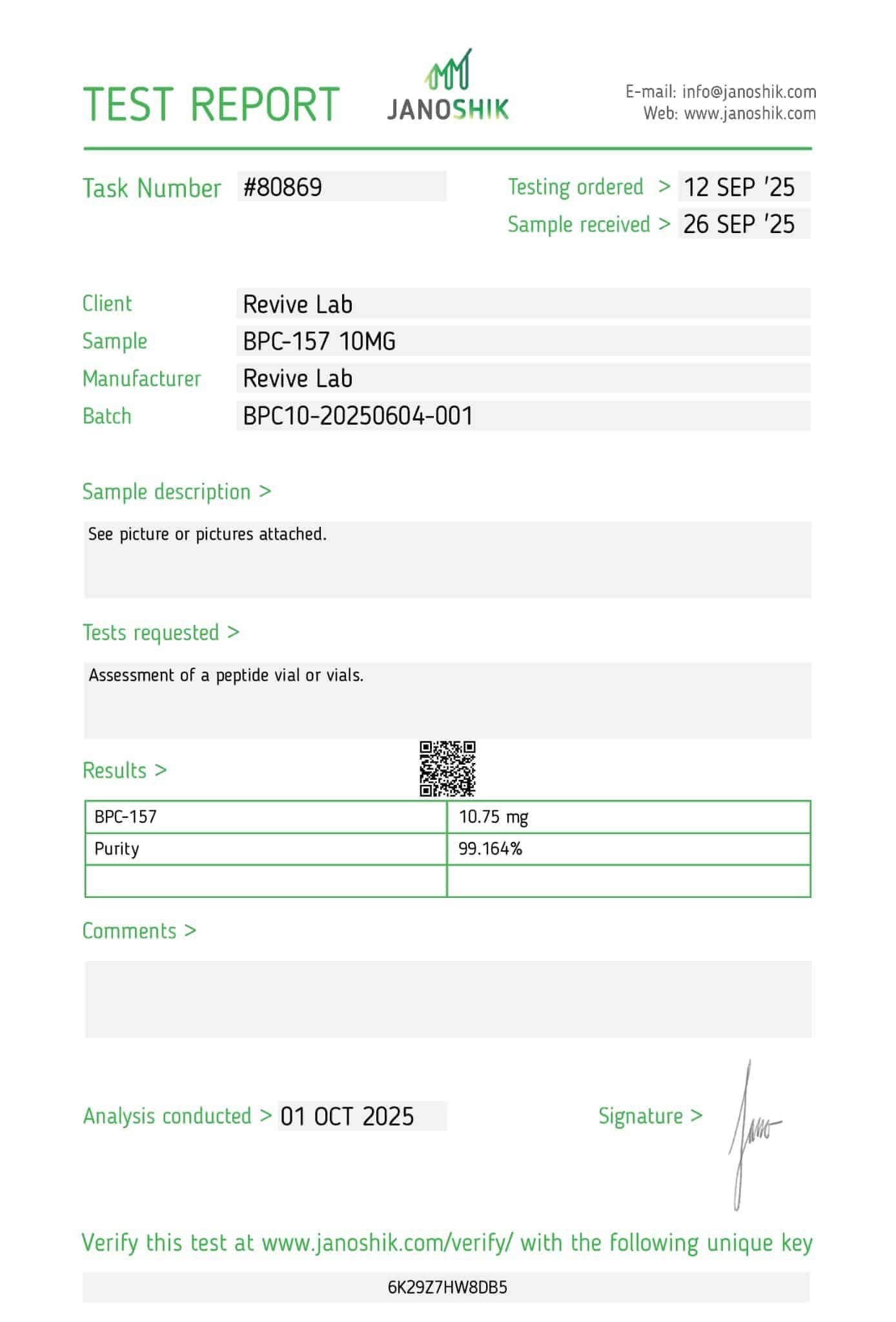
COA
BPC-157 Summary
Tissue Regeneration & Wound Healing
- Accelerates healing of muscle, tendon, ligament, nerve, bone, and skin injuries.
- Enhances angiogenesis (new blood vessel growth) and collagen formation.
- Promotes reattachment of tendon to bone and re-epithelialization of wounds.
- Effective in treating delayed or impaired healing, even under steroid treatment or systemic illness.
Neurological & CNS Protection
- Protects neurons and brain tissue in models of stroke, spinal cord injury, and traumatic brain injury.
- Enhances peripheral nerve regeneration and motor function recovery.
- Modulates serotonin, dopamine, GABA, and opioid systems—showing antidepressant- and anxiolytic-like effects.
- Reduces tolerance and dependence in long-term benzodiazepine use; blocks serotonin syndrome.
Cardiovascular & Circulatory Support
- Protects the heart from ischemia, arrhythmias, and oxidative injury.
- Promotes collateral blood vessel formation in ischemic tissue.
- Regulates nitric oxide (NO) pathways—balancing blood pressure and clotting.
- Reverses chemotherapy-induced cardiotoxicity.
Liver & Organ Protection
- Prevents and reverses liver damage caused by alcohol, NSAIDs, acetaminophen, and toxins.
- Reduces inflammation, steatosis, and necrosis in hepatic injury.
- Protects other vital organs—kidneys, lungs, pancreas—from systemic injury (e.g. ischemia, drug toxicity).
Gastrointestinal Health
- Heals gastric and intestinal ulcers, including NSAID-induced lesions.
- Normalizes gut permeability (“leaky gut”) and supports microbiome resilience.
- Resolves severe conditions like colitis, fistulas, and post-surgical GI damage.
Musculoskeletal Repair
- Regenerates ligaments, tendons, cartilage, and fractures.
- Improves mechanical strength and recovery time post-injury.
- Works synergistically with growth hormone by increasing GH receptor expression in injured tissues.
Anti-Inflammatory & Cytoprotective Effects
- Suppresses excessive inflammation in injury and systemic disease.
- Neutralizes oxidative stress, balancing antioxidant pathways.
- Stabilizes endothelium and cellular membranes under toxic or ischemic stress.
Urogenital and Systemic Healing
- Heals complex fistulas (e.g. vesicovaginal, rectovaginal) that are often resistant to treatment.
- Protects kidneys and bladder from damage in shock or ischemia models.
- Aids mucosal repair and angiogenesis in urogenital tissue regeneration.
BPC-157 Synergies & Additive Research Compounds
To maximize the utility of BPC-157 in experimental models, researchers often combine it with synergistic compounds that enhance tissue regeneration, immune modulation, angiogenesis, or oxidative balance. These combinations are commonly used in studies related to musculoskeletal repair, gastrointestinal healing, neuroregeneration, cardiovascular protection, and systemic recovery.
Below is a summary of notable BPC-157 synergies validated in preclinical studies:
BPC-157 Synergistic Compounds
| Compound | Mechanism of Synergy | Relevant Research / Notes |
|---|---|---|
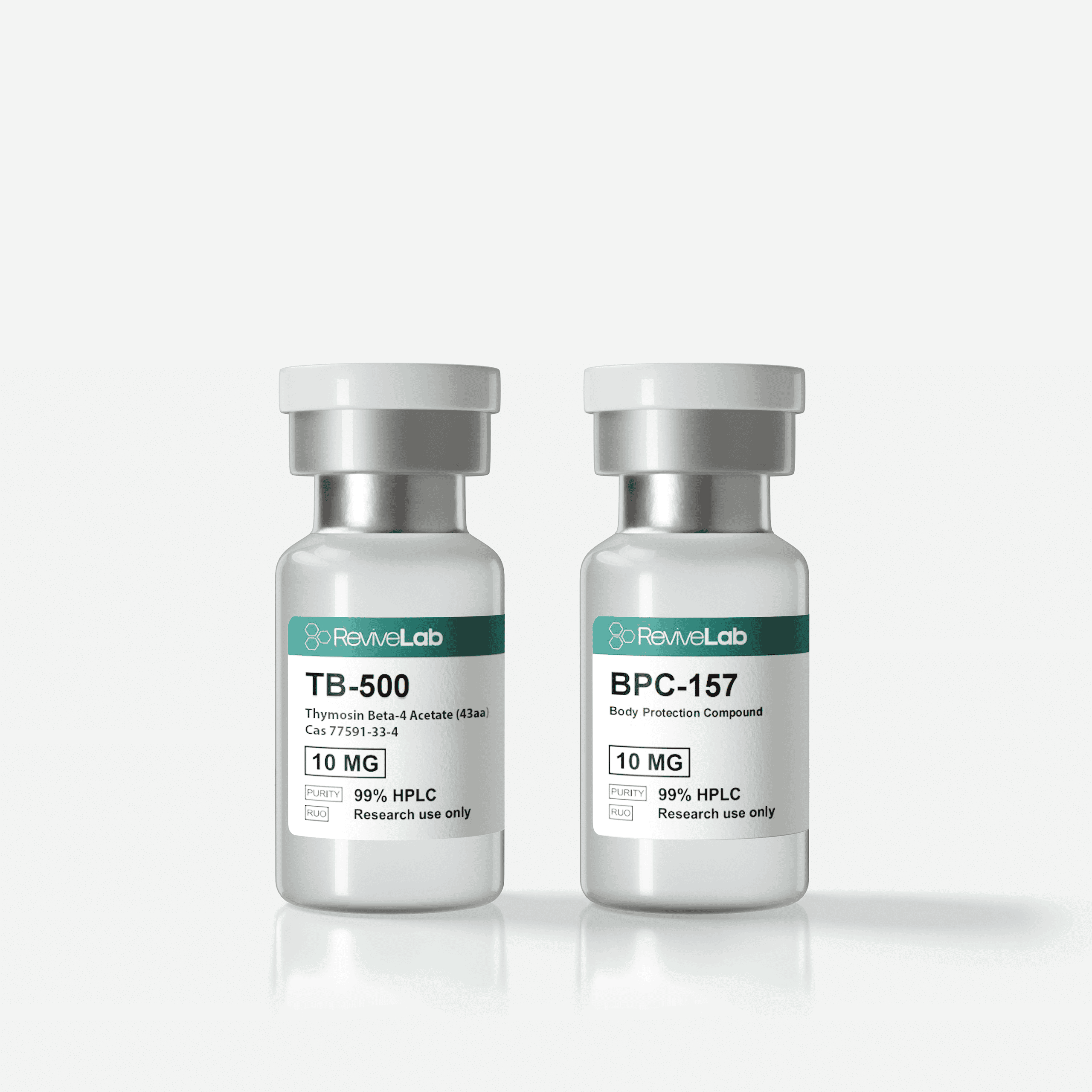
| TB-500 (Thymosin Beta-4) | Stimulates cell migration and cytoskeletal repair; complements BPC-157’s angiogenic and fibroblast-activating effects. | Widely co-studied in tendon, ligament, and soft-tissue models—together promoting rapid vascularization and scar-free healing. |
| GHK-Cu | Enhances collagen synthesis and antioxidant defense; pairs with BPC-157’s vascular and anti-inflammatory activity. | Combined in dermal and post-surgical research to support both deep-tissue and surface-level regeneration. |
| CJC-1295 (No DAC) | Elevates endogenous GH/IGF-1 signaling, amplifying protein synthesis during recovery. | When paired with BPC-157, may strengthen musculoskeletal regeneration and accelerate post-injury remodeling. |
| Ipamorelin | Selective GH secretagogue that triggers pulsatile GH release without raising cortisol. | Works synergistically with BPC-157 in anabolic and recovery-oriented research to enhance lean-tissue restoration. |
| Thymosin Alpha-1 | Immune-modulating peptide that reduces inflammation and supports tissue defense. | Complements BPC-157’s cytoprotective and angiogenic roles in immune-compromised or inflammatory injury models. |
| TB-500 Fragment (17-23) | Short active fragment of Thymosin Beta-4; focuses on actin-binding and endothelial migration. | Used with BPC-157 to achieve rapid cellular organization and improved microvascular formation. |
| NAD⁺ | Core metabolic coenzyme improving mitochondrial efficiency and energy production. | Enhances BPC-157’s regenerative output by supporting ATP-dependent healing and oxidative-stress balance. |
| Glutathione | Master antioxidant reducing oxidative tissue injury during repair. | Combined with BPC-157 in oxidative-stress and ischemia models to stabilize cellular redox and speed regeneration. |
| KPV (Lys-Pro-Val) | Anti-inflammatory tripeptide blocking NF-κB cytokine cascades. | Co-administration with BPC-157 reduces inflammatory load and supports faster restoration of tissue integrity. |
| MOTS-C | Mitochondrial peptide regulating metabolic resilience and cellular energy. | Acts additively with BPC-157 in systemic recovery studies, improving energy turnover during prolonged repair. |
Potential Research Use Cases for BPC-157 Combinations
- Tendon & Ligament Repair:
BPC-157 + TB-500 / TB-500 Fragment (17-23) - Muscle Regeneration & GH Axis Support:
BPC-157 + CJC-1295 (No DAC) / Ipamorelin / NAD⁺ - Dermal & Post-Surgical Healing:
BPC-157 + GHK-Cu / Glutathione - Immune & Inflammatory Recovery:
BPC-157 + Thymosin Alpha-1 / KPV - Metabolic & Systemic Resilience:
BPC-157 + MOTS-C / NAD⁺ / Glutathione
BPC-157 Research
Below is a breakdown of major research-backed effects by physiological system, showcasing the peptide’s broad experimental utility:
Gastrointestinal (GI) Protection
Gut healing is one of BPC-157’s hallmark benefits. It maintains GI mucosal integrity and heals ulcers even under severe stress. For example, BPC-157 prevents and reverses gastric ulcers caused by NSAIDs, alcohol, and other corrosive substances. It accelerates the repair of stomach lining lesions and induces regression of chronic ulcers (e.g., acetic acid or drug-induced). In rat models of inflammatory bowel disease, BPC-157 markedly reduced colitis inflammation and promoted intestinal lining regeneration. It also counters “leaky gut” syndrome, restoring tight-junction integrity in the GI tract. These studies establish BPC-157 as a powerful cytoprotective agent in the GI system, capable of protecting the stomach and intestines from injury and enhancing their healing capacity (Ref. 5, Ref. 11).
Musculoskeletal Repair (Tendons, Ligaments, Muscle & Bone)
BPC-157 significantly accelerates the healing of tendons, ligaments, and muscles in preclinical studies. It increases fibroblast migration, enhances collagen formation, and speeds up reattachment of soft tissue to bone. A severed Achilles tendon treated with BPC-157 healed faster and stronger than controls. In muscle crush injury models, BPC-157 led to reduced inflammation and faster recovery of contractile function. Bone healing is also enhanced by BPC-157, likely through its angiogenic properties and modulation of local growth factors (Ref. 2, Ref. 3).
Cardiovascular and Circulatory Support
BPC-157 has demonstrated cardioprotective effects in animal models of ischemia, reperfusion injury, and vascular occlusion. It promotes collateral vessel formation, restores blood flow to ischemic tissue, prevents arrhythmias, and reduces infarct size. Its modulation of nitric-oxide pathways also helps normalize blood pressure, prevent microthrombi, and protect the endothelium. In drug-induced cardiotoxicity models, BPC-157 preserved heart function comparable to standard cardioprotective agents (Ref. 12, Ref. 8, Ref. 19).
Neurological Effects and Brain Health
BPC-157 exerts neuroprotective effects across multiple models of neural injury. In stroke models, it prevented neuronal death and preserved memory and motor function. In spinal cord trauma, BPC-157 restored function and reduced paralysis. It also promotes peripheral nerve regeneration after crush or transection injuries. BPC-157 modulates neurotransmitters like serotonin, dopamine, and GABA, leading to anxiolytic and antidepressant-like effects in rodents. It has also blocked serotonin syndrome and benzodiazepine dependence in preclinical studies, demonstrating its neuromodulatory capacity (Ref. 1, Ref. 9, Ref. 10)
Hepatic (Liver) Protection
BPC-157 protects liver tissue from toxic and ischemic injury. In models of carbon tetrachloride and alcohol-induced liver damage, it prevented steatosis, ballooning, and central vein swelling. In NSAID-induced hepatitis, BPC-157 preserved liver structure and reduced inflammation. It also mitigated acute liver failure caused by paracetamol overdose. In a prolonged ibuprofen toxicity study, BPC-157 prevented progression to hepatic encephalopathy. These effects are attributed to BPC-157’s ability to reduce oxidative stress and improve hepatic antioxidant status (Ref. 5, Ref. 21).
Urogenital and Renal Support
In renal ischemia-reperfusion models, BPC-157 reduced tubular necrosis, protein casts, and glomerular injury. Biochemically, it increased renal antioxidant levels and preserved tissue structure. In separate studies, BPC-157 completely healed challenging fistulas such as vesicovaginal and rectovaginal openings in rats. It also improved outcomes in cystitis and bladder trauma, possibly by enhancing angiogenesis and mucosal regeneration (Ref. 6, Ref. 7, Ref. 18).
Systemic Wound Healing (Skin & Beyond)
BPC-157 accelerates healing across multiple tissue types. In skin wounds, burns, and diabetic ulcers, BPC-157-treated models showed faster wound closure, stronger granulation tissue, and reduced scarring. It also facilitated healing of deep-tissue injuries, including bone fractures, nerve crushes, and organ-to-skin fistulas (e.g., gastrocutaneous and colocutaneous). This systemic healing ability underscores its nickname, the “Body Protective Compound” (Ref. 2, Ref. 21).
Cytoprotection and Cell Survival
BPC-157 protects cells exposed to oxidative and toxic stress. It stabilizes membranes, scavenges free radicals, and restores cellular balance in models of gastrointestinal and hepatic damage. In cases of NSAID or alcohol exposure, BPC-157 preserved tissue integrity and counteracted cellular degeneration (Ref. 5, Ref. 14).
Angiogenesis and Tissue Regeneration
BPC-157 upregulates VEGF and activates VEGFR2 to stimulate angiogenesis. It restores microcirculation even in cases of major vessel occlusion by triggering alternative vascular pathways. This ensures efficient nutrient and oxygen delivery to regenerating tissue (Ref. 8, Ref. 12, Ref. 19).
Growth Factor Modulation
BPC-157 influences multiple molecular pathways including Egr-1, NAB2, FAK-paxillin, and JAK-2. It enhances the expression of growth hormone receptors in tendon fibroblasts, increasing their responsiveness to endogenous growth hormone and accelerating soft-tissue regeneration (Ref. 3, Ref. 17).
Anti-Inflammatory and Homeostatic Effects
BPC-157 restores physiological balance in diverse models. It interacts with nitric oxide and prostaglandin systems to regulate blood flow and clotting. It reduces pro-inflammatory cytokine levels and improves fluid balance in trauma and metabolic stress models. Notably, it protected animals from electrolyte-imbalance-induced mortality (e.g., hyperkalemia) and prevented tissue necrosis from ischemic injury (Ref. 8, Ref. 15, Ref. 19).
Neuromodulation (Brain-Gut Axis)
BPC-157 modulates serotonin, dopamine, GABA, and opioid systems, contributing to its antidepressant and anxiolytic effects. Remarkably, it produces central nervous system effects from peripheral administration, and facilitates healing in stroke, spinal cord injury, and peripheral nerve regeneration models. These findings support its role in maintaining neuro-visceral homeostasis (Ref. 1, Ref. 9, Ref. 10).
BPC-157 Research References
| Ref. No. | Study / Source | Focus / Key Findings | Link |
|---|---|---|---|
| 1 | Sikiric P. (2016). Brain–gut Axis and Pentadecapeptide BPC 157. | Review on BPC-157 as a mediator of cytoprotection; CNS/brain-gut and GI integrity; neuromodulatory pathways. | PMC |
| 2 | Seiwerth S. (2021). Stable Gastric Pentadecapeptide BPC 157 and Wound Healing. | Broad wound/organ healing review: skin, muscle, tendon/ligament, bone; decreased bleeding; angiogenesis. | PMC |
| 3 | Chang C.H. (2014). BPC 157 enhances growth hormone receptor expression in tendon fibroblasts. | Mechanism in tendon: ↑GH-receptor mRNA/protein; supports tendon healing biology. | PMC |
| 4 | Stupnisek M. (2015). BPC 157 reduces bleeding & thrombocytopenia; counters anticoagulant toxicity. | Hemostasis/vascular protection; aligns with circulatory support claims. | PubMed |
| 5 | Sikiric P. (2019/2020). Stable Gastric Pentadecapeptide BPC 157, Robert’s Cytoprotection → Organoprotection. | GI cytoprotection (NSAIDs, alcohol, ulcers) → multi-organ protection; leaky-gut context. | PMC |
| 6 | Grgic T. (2016). BPC 157 heals rat colovesical fistulas. | Proof-of-concept fistula healing in vivo. | PubMed |
| 7 | Sikiric P. (2020). Fistulas Healing with BPC 157 (external & internal types). | Review/summary of GI fistula closure data across models. | PubMed |
| 8 | Sikiric P. (2014). BPC 157–NO-system interplay in severe injuries. | Mechanistic NO-pathway normalization; angiogenesis/microcirculation. | PubMed |
| 9 | Vukojevic J. (2020). Hippocampal ischemia/reperfusion model; BPC 157 benefits. | Neuroprotection (stroke/hippocampal I/R), functional preservation. | PMC |
| 10 | Vukojevic J. (2021). BPC 157 and the CNS (review). | CNS-focused review (stroke, spinal cord, peripheral nerve). | PMC |
| 11 | Sikiric P. (2022). BPC 157 resolves leaky gut; membrane stabilizer. | Leaky-gut/barrier integrity & endothelial-epithelial maintenance. | PubMed |
| 12 | Sikiric P. (2022). Cardiac/vascular protection overview. | Myocardial infarction/heart failure/arrhythmia/thrombosis themes. | PubMed |
| 13 | Sikiric P. (2023). May recover brain–gut axis & gut–brain axis function. | Updated brain–gut synthesis of systemic effects. | PMC |
| 14 | Sikiric P. (2025). BPC 157 therapy: angiogenesis & nitric oxide—commentary/review. | Reinforces angiogenesis/NO roles; therapeutic framing. | PubMed |
| 15 | Sikiric P. (2024). Pleiotropic modulation of neurotransmitters & NO. | Broad homeostatic/anti-inflammatory & neuromodulatory overview. | PubMed |
| 16 | Vukusic D. (2024). Duodenocolic fistula healing by BPC 157. | Additional fistula-healing evidence in vivo. | PubMed |
| 17 | Stupnisek M. (2015). Bleeding/thrombocytopenia/anticoagulant counteraction (heparin/warfarin). | Microvascular & hemostatic rescue; supports circulatory claims | PubMed |
Stack With
Sale!
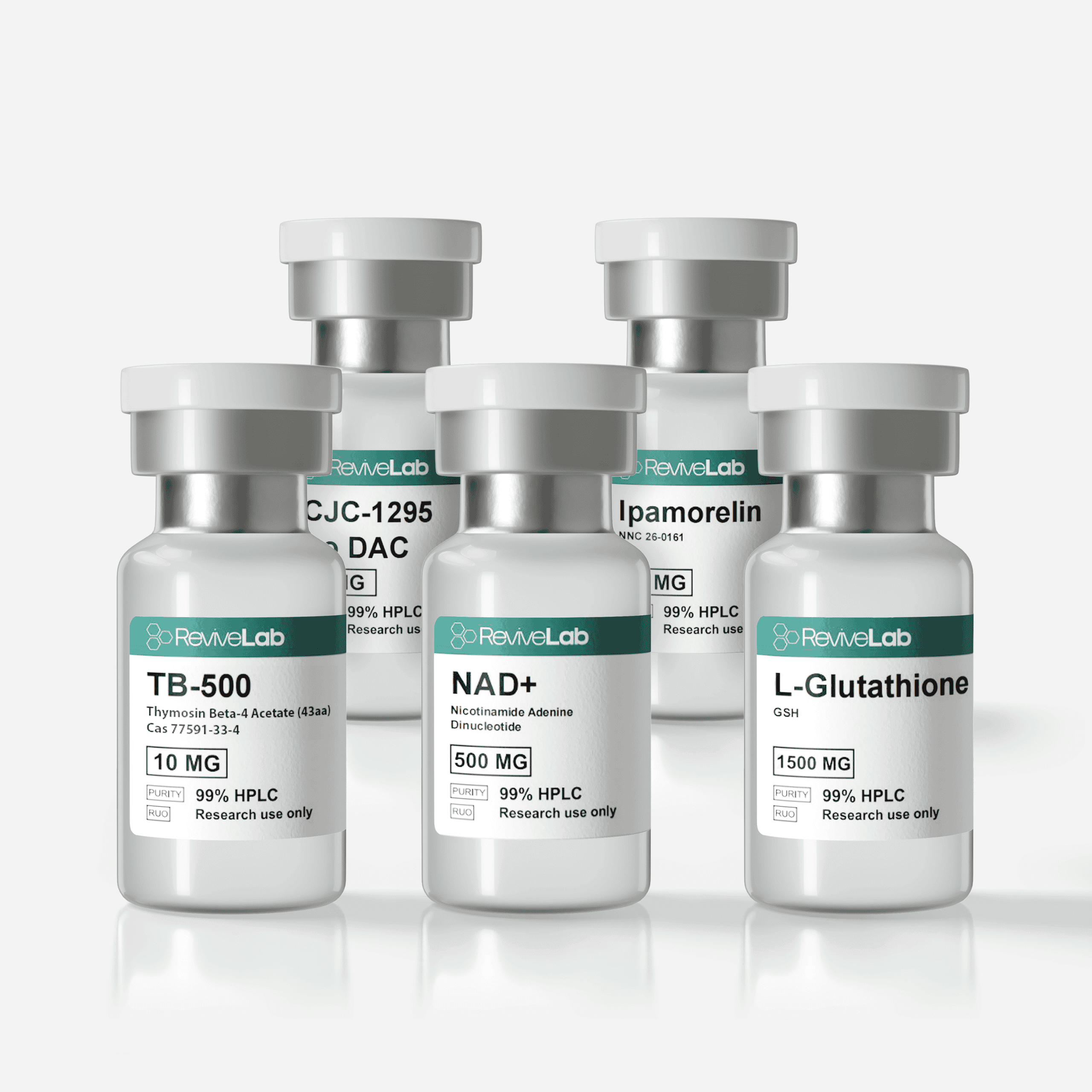
CJC-1295 no DAC + Ipamorelin + TB-500 + NAD⁺ + Glutathione
Original price was: $1,409.83.$1,339.33Current price is: $1,339.33.
Add to cart
Sale!
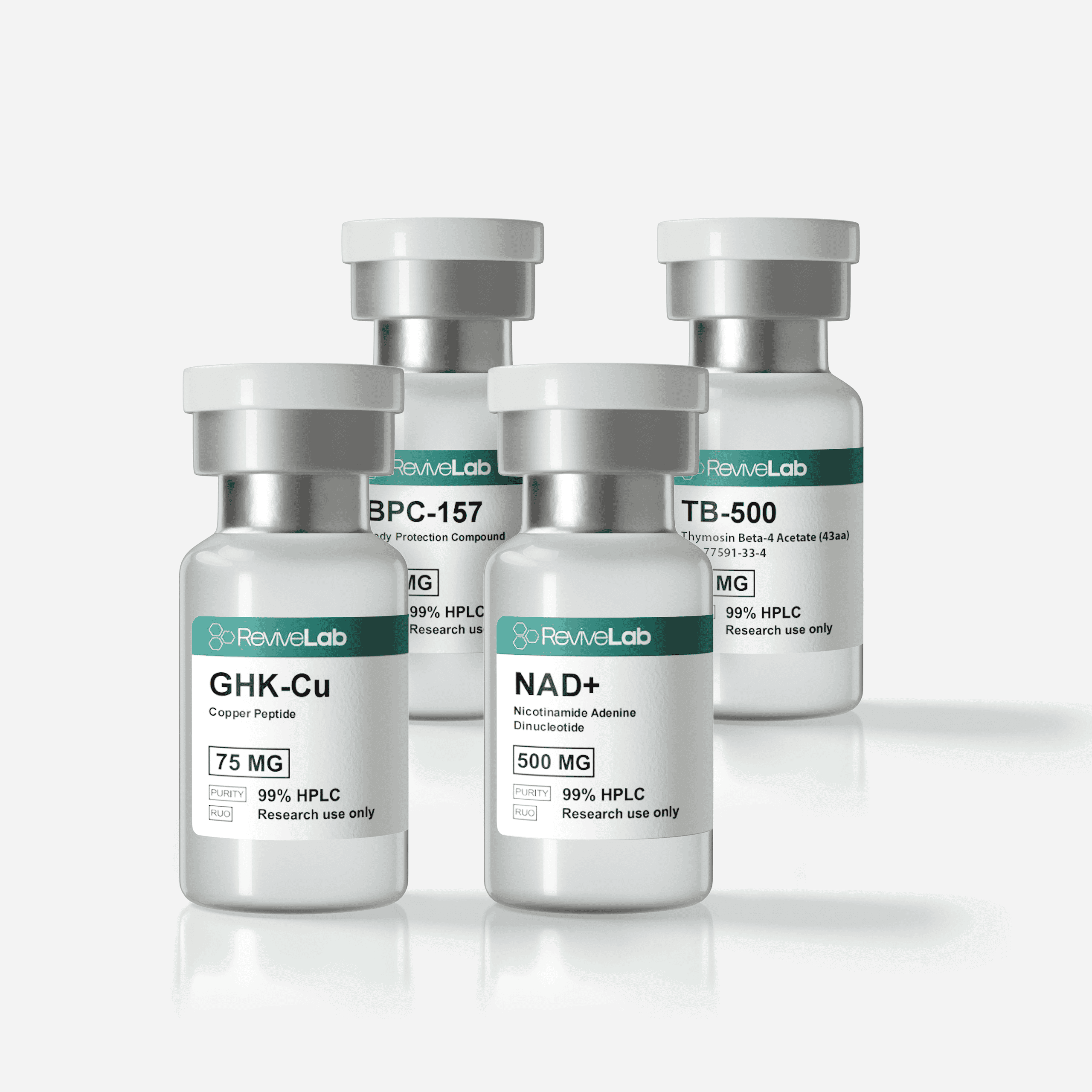
BPC-157 + TB-500 + GHK-Cu + NAD⁺
Original price was: $959.88.$911.88Current price is: $911.88.
Add to cart
Sale!
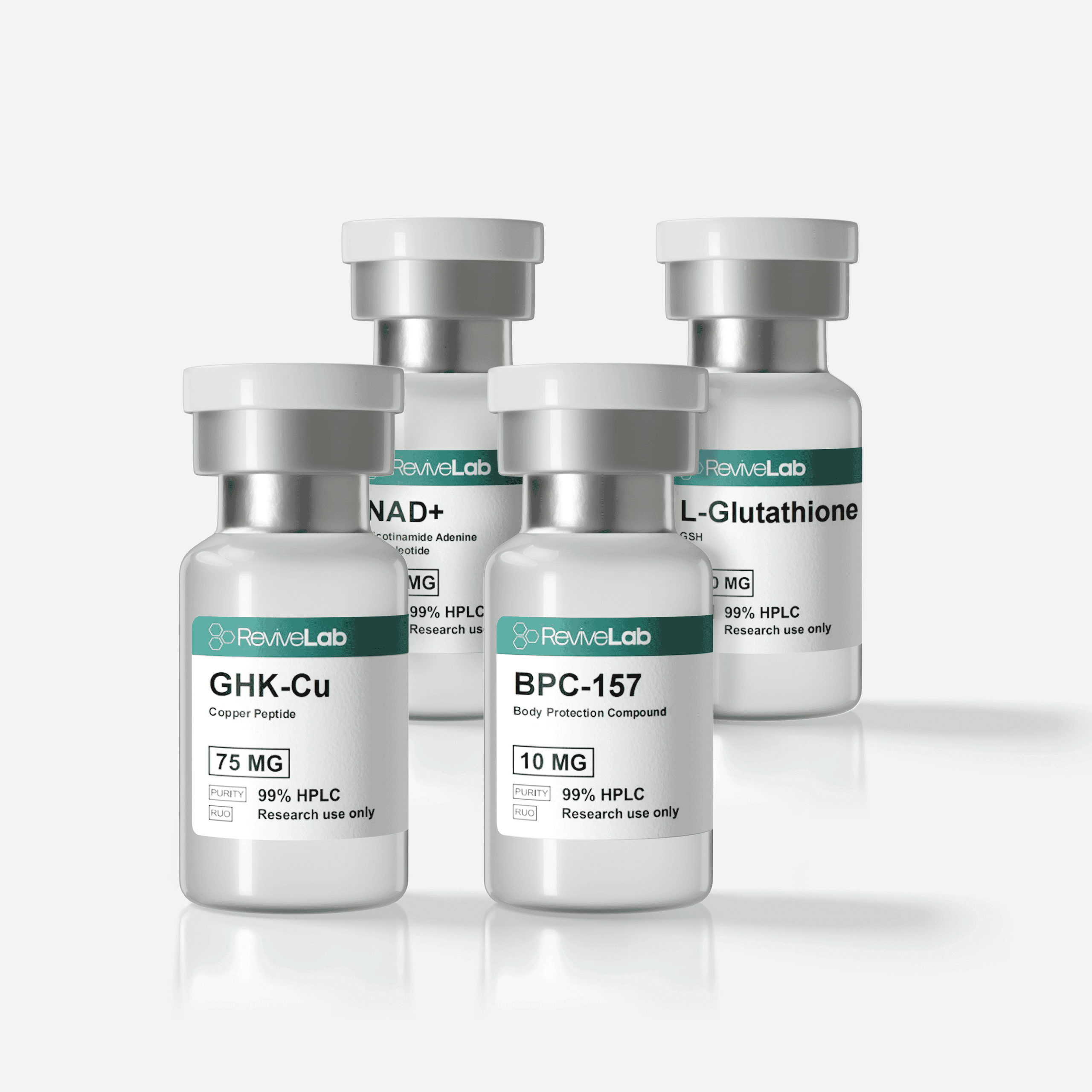
NAD⁺ + Glutathione + GHK-Cu + BPC-157
Original price was: $879.89.$835.89Current price is: $835.89.
Add to cart