 NAD⁺ + Glutathione + GHK-Cu + BPC-157
  L-Carnitine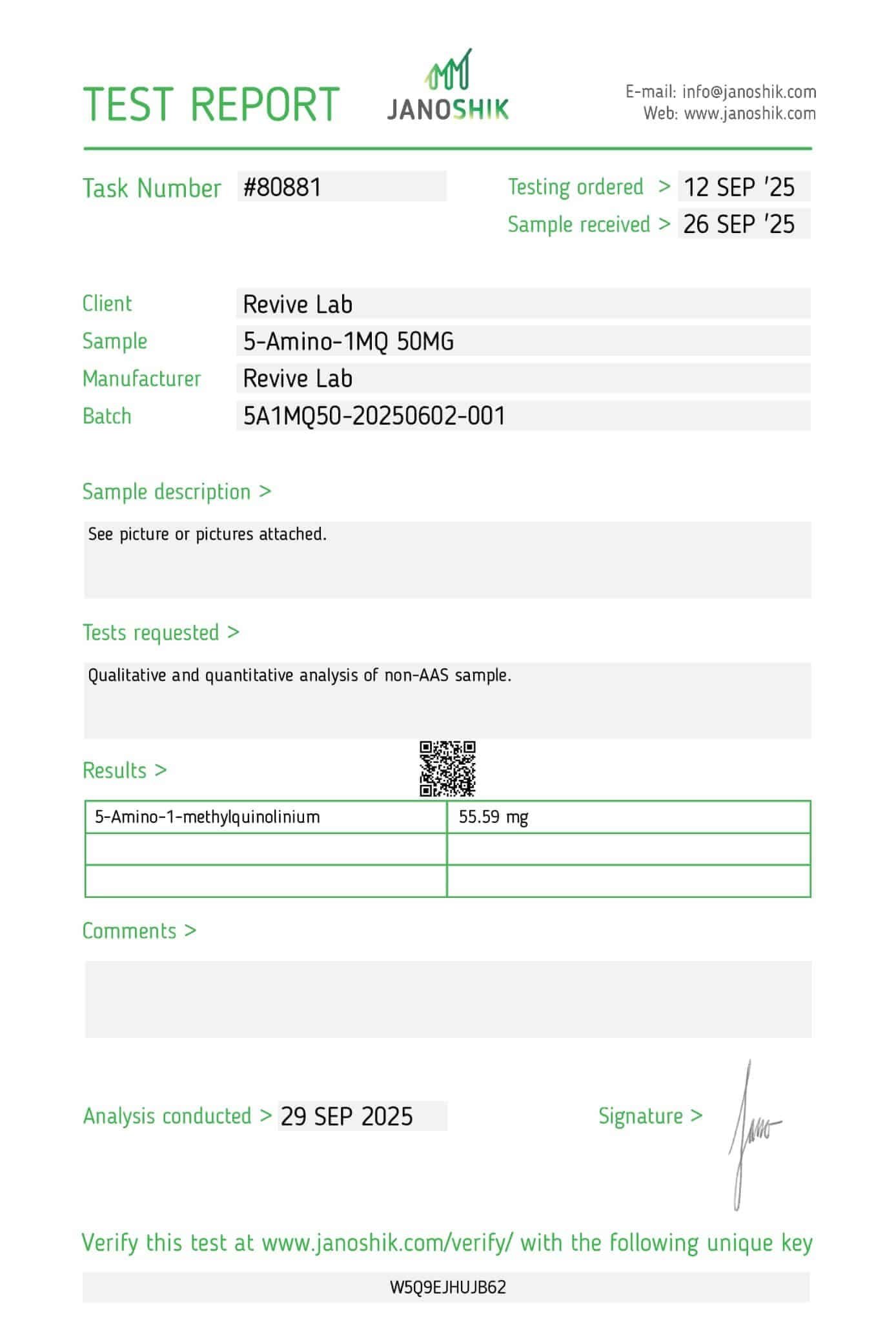
Back to all products
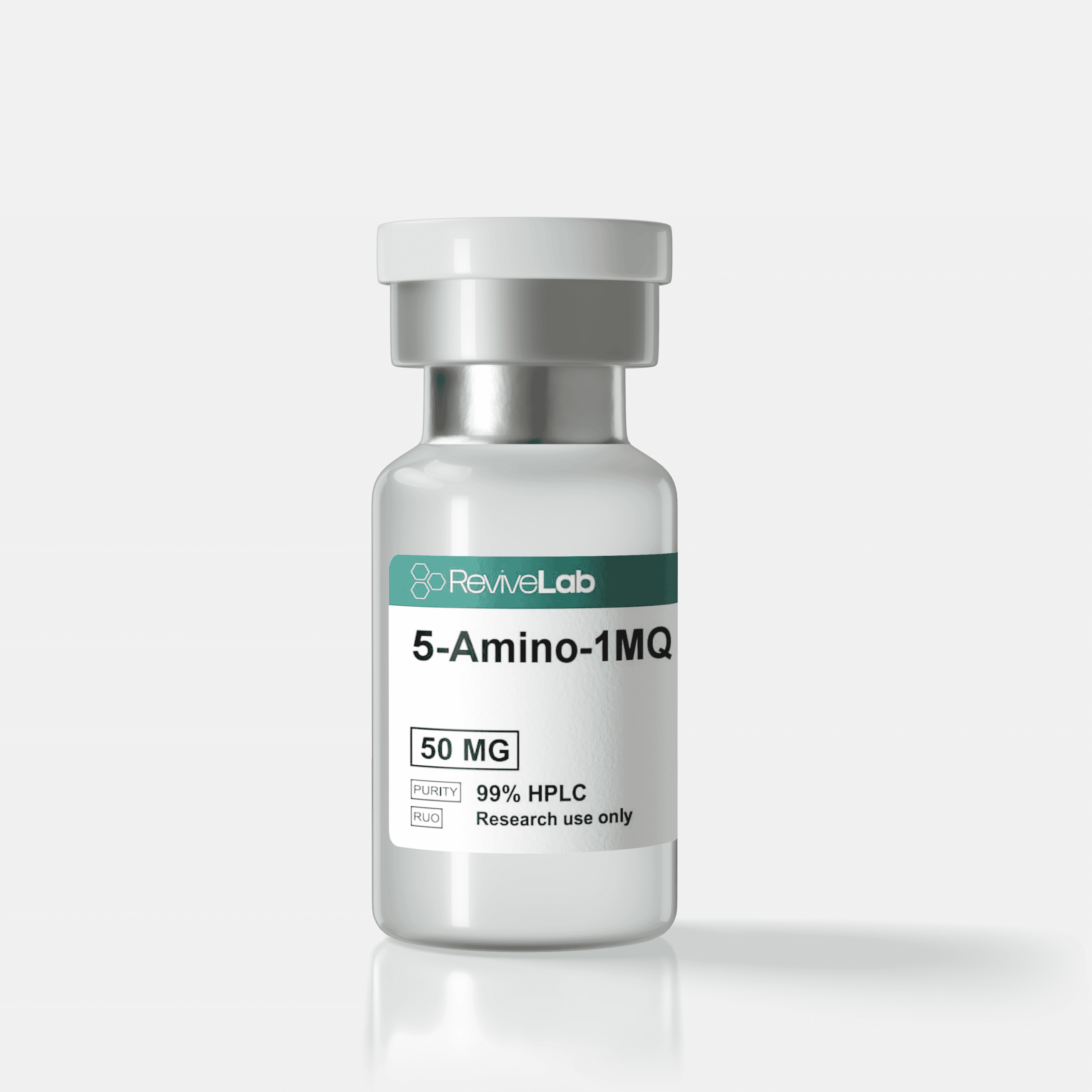
5-Amino-1MQ
5-Amino-1MQ is a small-molecule research compound that functions as a potent inhibitor of nicotinamide N-methyltransferase (NNMT), a key enzyme in cellular metabolism. By blocking NNMT, 5-Amino-1MQ helps preserve intracellular NAD⁺ levels, driving enhanced energy metabolism, fat loss, and improved insulin sensitivity in preclinical studies. Research has also shown benefits in muscle strength, endurance, and recovery, making it a valuable tool for exploring obesity, metabolic syndrome, and age-related muscle decline in laboratory settings.
$89.99
Only 9 left in stock
Disclaimer: This compound is not intended for human or veterinary use. 5-Amino-1MQ is sold strictly for laboratory research purposes only. Any mention of effects is provided for educational information and relates solely to preclinical or experimental studies and does not imply efficacy in humans.
COA
5-Amino-1MQ Summary
Fat Loss & Adipose Reduction
- Promotes significant shrinkage of white adipose tissue (WAT) in preclinical obesity models.
- Reduces adipocyte size by 30–40% without altering food intake.
- Decreases plasma cholesterol and improves lipid metabolism profiles.
- Enhances fat oxidation and energy expenditure through NNMT inhibition and NAD⁺ preservation.
Metabolic Health & Insulin Sensitivity
- Normalizes glucose tolerance and improves insulin sensitivity in obese mice.
- Lowers inflammatory cytokine levels associated with metabolic syndrome.
- Improves lipid handling and reduces risk factors for type 2 diabetes research models.
- Enhances mitochondrial function via SIRT1 activation.
Muscle Strength, Endurance & Recovery
- Increases grip strength in aged mice by up to 40% compared to controls.
- Improves endurance and reduces exercise-induced fatigue.
- Shortens recovery times by enhancing NAD⁺-driven cellular energy metabolism.
- Works additively with exercise, showing amplified improvements when combined.
Muscle Regeneration & Quality
- Reduces intramuscular fat infiltration, supporting leaner muscle tissue.
- Promotes myoblast differentiation in vitro, indicating regenerative potential.
- Increases muscle fiber cross-sectional area when paired with training.
- Improves muscle insulin sensitivity, supporting healthier body composition.
Anti-Inflammatory & Cytoprotective Actions
- Reduces IL-1β–induced inflammatory signaling in cell studies.
- Mitigates fatty liver development and fibrosis in animal models.
- Lowers oxidative stress by preserving NAD⁺ and activating protective sirtuin pathways.
- Supports systemic healthspan improvements by dampening chronic inflammation.
5-Amino-1MQ Synergies & Additive Research Compounds
To maximize the metabolic and regenerative potential of 5-Amino-1MQ in experimental models, researchers often combine it with peptides that support complementary pathways such as fat metabolism, muscle regeneration, inflammation control, and systemic recovery. These combinations are frequently used in preclinical studies of obesity, sarcopenia, metabolic syndrome, and tissue repair.
5-Amino-1MQ Synergistic Compounds
| Compound | Mechanism of Synergy | Relevant Research / Notes |
|---|---|---|
| CJC-1295 DAC | Stimulates GH/IGF-1 axis, supporting lean mass gain and fat metabolism. | GH analogs complement 5-Amino-1MQ’s fat-reducing and NAD⁺-boosting effects in metabolic models. |
| Ipamorelin | Selective GH secretagogue that enhances pulsatile GH release. | Often paired with GHRH analogs; may amplify fat loss and muscle preservation with 5-Amino-1MQ. |
| BPC-157 | Promotes angiogenesis, gut healing, and tissue regeneration. | Supports systemic recovery and anti-inflammatory effects alongside 5-Amino-1MQ’s metabolic benefits. |
| TB-500 (Thymosin Beta-4) | Mobilizes progenitor cells and accelerates tissue healing. | May enhance systemic regeneration and endurance outcomes with 5-Amino-1MQ. |
| GHK-Cu | Copper-binding peptide that stimulates collagen synthesis and wound repair. | Complements metabolic improvements with tissue and skin rejuvenation. |
| Thymosin Alpha-1 | Immune-modulating peptide that reduces inflammatory burden. | Pairs with 5-Amino-1MQ’s anti-inflammatory properties in systemic and metabolic research. |
| Glutathione | Master antioxidant peptide-like tripeptide; protects against oxidative stress. | Enhances cytoprotective and metabolic stability when combined with 5-Amino-1MQ. |
| NAD⁺ | Central metabolic coenzyme; drives mitochondrial energy metabolism. | Works additively with 5-Amino-1MQ’s NNMT inhibition to sustain NAD⁺ pools. |
Potential Research Use Cases for 5-Amino-1MQ Combinations
- Fat Loss & Body Composition:
5-Amino-1MQ + CJC-1295 DAC + Ipamorelin - Muscle Regeneration & Endurance:
5-Amino-1MQ + TB-500 + BPC-157 - Metabolic Optimization & Recovery:
5-Amino-1MQ + NAD⁺ + Glutathione - Systemic Healing & Anti-Inflammatory Research:
5-Amino-1MQ + Thymosin Alpha-1 + BPC-157 - Skin & Cosmetic Research:
5-Amino-1MQ + GHK-Cu + TB-500
5-Amino-1MQ Research
5-Amino-1MQ (5-amino-1-methylquinolinium) is a small-molecule NNMT inhibitor – it blocks the enzyme nicotinamide N-methyltransferase (NNMT), a key regulator of fat metabolism, energy balance, and NAD⁺ levels (Ref. 1). By inhibiting NNMT, 5-Amino-1MQ prevents the conversion of nicotinamide (vitamin B3) into 1-methylnicotinamide (MNA). This preserves nicotinamide for NAD⁺ synthesis, raising cellular NAD⁺ levels and boosting metabolic activity (Ref. 1) (Ref. 2). Elevated NAD⁺ in turn activates sirtuin 1 (SIRT1), a longevity-related enzyme that depends on NAD⁺, thereby enhancing mitochondrial function and cellular energy expenditure (Ref. 2) (Ref. 9). Ultimately, 5-Amino-1MQ shifts the body’s energy balance from fat storage to fat burning, shrinking fat cells and accelerating fat loss while also supporting muscle tissue and overall metabolic health (Ref. 1) (Ref. 5) (Ref. 4).
Mechanism of Action
Extensive preclinical research (cell and animal studies) has revealed multiple beneficial functions of 5-Amino-1MQ, making it a promising compound for obesity, diabetes, sarcopenia, and metabolic wellness. Below are the key findings and potential benefits, with supporting studies:
Accelerated Fat Loss & Reduced Adipose Mass: 5-Amino-1MQ produces significant fat loss by shrinking white adipose tissue (WAT) and adipocytes. In diet-induced obese mice, a short 11-day treatment led to ~5% body-weight reduction while controls gained weight (Ref. 1). Treated mice showed a ~35% decrease in fat-pad mass and ~30–40% smaller fat cells, despite no change in food intake (Ref. 1) (Ref. 5). This indicates enhanced fat burning and energy expenditure rather than appetite suppression. Notably, 5-Amino-1MQ lowered plasma cholesterol by ~30% to normal levels (Ref. 1), suggesting improvements in lipid metabolism and cardiovascular risk.
Improved Metabolic Health & Insulin Sensitivity: By remodeling adipose tissue and boosting NAD⁺, 5-Amino-1MQ helps normalize metabolic function. Studies report that NNMT inhibition reversed obesity-linked insulin resistance – treated obese mice had improved insulin sensitivity and normalized blood-glucose tolerance to levels of lean healthy mice (Ref. 4) (Ref. 5). These effects were absent in NNMT-knockout animals, confirming the specificity of the mechanism (Ref. 10). In essence, 5-Amino-1MQ enhances glucose uptake and reduces insulin resistance, which may benefit research into type 2 diabetes and metabolic syndrome (Ref. 2) (Ref. 4).
Boosts NAD⁺ Levels and Sirtuin Activation: A core effect of 5-Amino-1MQ is elevating intracellular NAD⁺ by preventing its loss to MNA (Ref. 1). Treated fat cells showed significantly higher NAD⁺ and SAM (S-adenosylmethionine) levels, fueling cellular metabolism (Ref. 1) (Ref. 2). The rise in NAD⁺ activates SIRT1 and other NAD⁺-dependent enzymes (“longevity” pathways), which enhances mitochondrial function, increases cellular energy output, and supports DNA repair (Ref. 2) (Ref. 9). In adipocytes, this translated to a 50–70% reduction in new fat synthesis (lipogenesis) when 5-Amino-1MQ was present (Ref. 1). By preserving NAD⁺, 5-Amino-1MQ essentially mimics the effects of calorie restriction or NAD⁺ precursors, potentially promoting healthier aging and metabolic resilience (Ref. 2) (Ref. 9).
Enhanced Muscle Strength, Endurance, & Recovery: Exciting new research shows 5-Amino-1MQ can improve muscle performance, especially in aging contexts. In 24-month-old mice (modeling human sarcopenia), 5-Amino-1MQ treatment increased grip strength by ~40% over untreated controls – an even greater gain than intensive exercise alone (~20% increase) (Ref. 4) (Ref. 9). When combined with exercise, the effects were additive, yielding a 60% strength improvement in aged mice (Ref. 5). Treated mice also ran longer distances with less fatigue; 5-Amino-1MQ helped sustain endurance gains and shortened muscle recovery times after exercise (Ref. 5) (Ref. 9). These benefits are attributed to enhanced muscle NAD⁺ energy metabolism and distinct molecular pathways activated by NNMT inhibition (complementing those from exercise) (Ref. 4) (Ref. 9).
Supports Muscle Regeneration & Lean Mass: Beyond strength metrics, 5-Amino-1MQ has shown positive effects on muscle tissue quality. Research found that treating aged mice with 5-Amino-1MQ reduced intramuscular fat infiltration, indicating improved muscle “quality” and insulin sensitivity in muscle cells (Ref. 4). Moreover, when combined with training, 5-Amino-1MQ significantly increased muscle fiber cross-sectional area in key muscles (gastrocnemius), suggesting enhanced muscle growth or regeneration capacity (Ref. 5). There is also evidence that 5-Amino-1MQ can promote myoblast differentiation in cell culture, which could translate to better muscle repair (Ref. 4) (Ref. 9).
Anti-Inflammatory & Healthspan Potential: By targeting fundamental metabolic pathways, 5-Amino-1MQ may confer broader health benefits. Studies indicate that NNMT overactivity is linked not only to obesity but also to chronic inflammation and fibrosis in tissues (Ref. 9) (Ref. 11). Through SIRT1 activation and improved metabolism, 5-Amino-1MQ could reduce inflammatory signaling and oxidative stress associated with obesity and aging (Ref. 2). For example, in a fatty-liver model, NNMT inhibition decreased pro-inflammatory cytokines and liver damage markers (Ref. 4). Additionally, since NNMT is often overexpressed in various cancers and in aging tissues, researchers are exploring NNMT inhibitors like 5-Amino-1MQ for potential anti-cancer effects (by disrupting cancer-cell energy metabolism) and pro-longevity effects (Ref. 9) (Ref. 12) (Ref. 13). While this research is in early stages, the broad expression of NNMT in conditions like cardiovascular disease, kidney disease, neurodegeneration, and cancer suggests that 5-Amino-1MQ’s impact on NAD⁺ and metabolism could have far-reaching therapeutic implications (Ref. 9) (Ref. 12).
Favorable Safety Profile in Studies: Encouragingly, 5-Amino-1MQ has shown minimal adverse effects in research models. In obese mice, effective dosing over weeks caused no observed side effects or organ toxicity – mice had normal appetite and activity during treatment (Ref. 1). Even at higher trial doses, the compound was well-tolerated with no overt toxicity noted (Ref. 4). In cell studies, 5-Amino-1MQ did not harm cell viability at typical concentrations used to suppress fat formation (Ref. 6).
5-Amino-1MQ is a cutting-edge research compound (technically a small molecule) that targets a master metabolic enzyme (NNMT) to unleash multiple benefits. By boosting NAD⁺ and reprogramming energy metabolism, it promotes fat loss, enhances insulin sensitivity, and improves lipid profiles, addressing core aspects of obesity and metabolic disease (Ref. 1) (Ref. 2) (Ref. 5). Simultaneously, it augments muscle strength, endurance, and regeneration, highlighting potential in age-related frailty and performance enhancement (Ref. 4) (Ref. 5). Its activation of sirtuin pathways further hints at longevity and anti-aging applications (Ref. 2) (Ref. 9). All these effects have been achieved in preclinical studies without significant toxicity or appetite suppression, underscoring the compound’s unique promise (Ref. 1) (Ref. 4). In summary, 5-Amino-1MQ offers a multi-faceted tool for research into fat metabolism, diabetes, muscle wasting, and beyond – a compelling candidate in the landscape of metabolic and regenerative medicine (Ref. 1) (Ref. 2) (Ref. 5) (Ref. 9).
5-Amino-1MQ Research References
| Ref. No. | Study / Source | Focus / Key Findings | Link |
|---|---|---|---|
| 1 | Neelakantan H. et al. (2017). Selective and membrane-permeable small-molecule inhibitors of nicotinamide N-methyltransferase reverse diet-induced obesity. | Discovery of NNMT inhibitors including 5-amino-1-methylquinolinium (5-A1MQ); ~5% body-weight loss in 11 days, ↓WAT mass, ↓adipocyte size without ↓food intake; ↑NAD⁺/SAM flux; ↓lipogenesis. | PubMed |
| 2 | Liu JR. et al. (2021). Roles of Nicotinamide N-Methyltransferase in Obesity and Diabetes. | Review linking NNMT to obesity/T2D; summarizes 5-A1MQ effects: ↑NAD⁺, ↓lipogenesis, improved metabolic parameters in DIO mice. | PubMed |
| 3 | Neelakantan H. et al. (2017). Structure-Activity Relationship for Small-Molecule Inhibitors of NNMT. | SAR paper characterizing quinolinium analogs; potency and selectivity of 5-A1MQ variants. | PubMed |
| 4 | Babula JAJ. et al. (2024). Nicotinamide N-methyltransferase inhibition mitigates obesity and fatty liver in DIO mice. | DIO mice: 5-A1MQ ↓body weight and fat mass (dose-dependent), improved OGTT/insulin sensitivity, ↓hepatic steatosis/inflammation. | PubMed |
| 5 | Dimet-Wiley AL. et al. (2022). Reduced-calorie diet combined with NNMT inhibition restores adiposity and weight in DIO mice. | 5-A1MQ + low-fat diet rapidly normalized body weight/adiposity vs diet switch alone; synergy on fat loss. | PubMed |
| 6 | Awosemo O. et al. (2021). Development & validation of an LC-MS/MS assay for 5-amino-1-methylquinolinium in plasma/tissues. | Analytical validation; no cytotoxicity at assay-relevant concentrations; supports PK/PD studies. | PubMed |
| 7 | Sampson CM. et al. (2021). Combined NNMT inhibition and dietary substitution improves body composition in DIO mice. | NNMTi 5-A1MQ with diet improved lean mass:body-weight ratio, accelerated fat loss; mechanism via ↓lipogenesis. | Nature |
| 8 | Neelakantan H. et al. (2019). Small-molecule NNMT inhibitor rejuvenates aged muscle stem cells. | In aged skeletal muscle, NNMT upregulation impairs NAD⁺/SIRT1; NNMTi (incl. 5-A1MQ) re-activates senescent muSCs and improves regenerative potential. | PubMed |
| 9 | Sun WD. et al. (2024). Nicotinamide N-methyltransferase (NNMT): mechanisms, metabolism, and therapeutic targeting. | State-of-the-art review: NNMT → NAD⁺/SIRT1 axis, inflammation/aging; therapeutic NNMT inhibition including 5-A1MQ across metabolic disease and sarcopenia models. | PMC |
| 10 | Kraus D. et al. (2014). NNMT knockdown in WAT and liver protects against diet-induced obesity by augmenting energy expenditure. | Genetic NNMT knockdown protects from DIO; validates mechanistic specificity behind pharmacologic NNMT inhibition. | PMC |
| 11 | Roberti A. et al. (2023). NNMT regulates metabolism and energy homeostasis (human/mouse data). | Human & mouse evidence: NNMT upregulated in WAT in obesity/T2D; target validity in metabolic disease. | Nature |
| 12 | Li XY. et al. (2022). NNMT: a promising biomarker and therapeutic target across diseases. | Broad review: NNMT in obesity, diabetes, CVD, kidney disease, neurodegeneration, cancer; summarizes 5-A1MQ weight-loss data. | PMC |
| 13 | Yang M. et al. (2024). Targeting NNMT with 5-A1MQ iodide reduces tumor growth and enhances anti-PD-L1 efficacy. | Cancer context: NNMT inhibition (5-A1MQ) reduced tumor growth; improved response to checkpoint blockade in mouse models. | PubMed |